
Due to the War, russians Are Saving on Food and Clothing En Masse
6/29/2026
russia’s war against Ukraine – which the kremlin blithely “sells” to russians by calling it a “structural transformation” – has set in motion an irreversible process leading to poverty in russia itself.
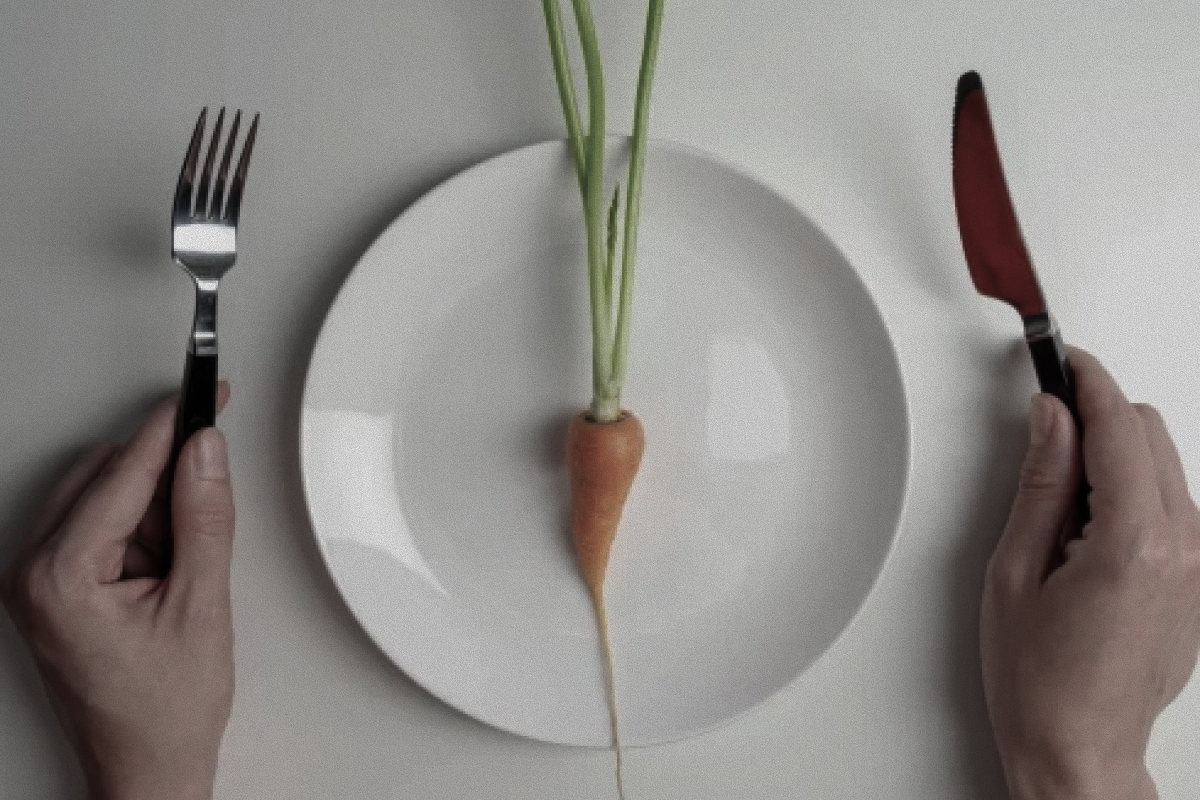
Recent sociological studies (including surveys by Prognosis and Shopper’s) demonstrate the failure of putin’s economic policy: 34% of russians are forced to save on food, joining the 47% who were already doing so. Against the background of stagnant real incomes and colossal expenditures on maintaining the occupying army, the average russian has found himself under pressure from the fuel crisis, skyrocketing prices for fuel, housing, and utilities, and a shortage of imported goods.
The price shock has hit the basic basket of goods the hardest, turning meat, fresh fish (in a country bordered by seas and the ocean), and even seasonal vegetables into luxury items. According to official (traditionally underreported) data from “rosstat”, annual inflation for certain items, such as cucumbers or beef, is in the double digits, while russians themselves report a widespread increase in the prices of dairy products and fruits. The population’s attempts to survive under these circumstances, seem humiliating: the most popular trend has become switching to the cheapest substitutes sold under discounters’ own brands and completely giving up regular sweets or out-of-season fruits.
The consumption crisis has long since spread beyond the food sector, eroding what remains of the former “middle class”. russians are giving up buying clothes en masse (28% + 54% who were already saving), switching to the cheapest Chinese knockoffs on marketplaces, or going years without updating their wardrobes (43%). The service and food service sectors are experiencing a severe slump: most citizens have stopped visiting cafes and restaurants (61%). Giving up their daily takeout coffee (39%) or switching to homemade lunches for work (28%) has become the new norm for survival in wartime conditions.
russian propaganda has managed to construct a psychological framework in which people’s own poverty and the need to count every kopeck are perceived as a “personal failure” and an inability to earn a living. In the minds of the compliant electorate, the war against Ukraine, the systemic crisis, international isolation, and sanctions are in no way linked to the criminal policies of the kremlin, which is throwing trillions of rubles into the furnace of war.
From the perspective of fundamental economics, russia is clearly demonstrating a classic textbook collapse of a militarized system. Amid a total shortage of global capital and critically low labor productivity, all the grandiose investments in defense plants are paid for exclusively out of the pockets of the population through a decline in the quality of life.