
From Pediatric Dentists to Osteopaths: russia’s Healthcare Sector Faces a Worsening Staffing Crisis
9/14/2026
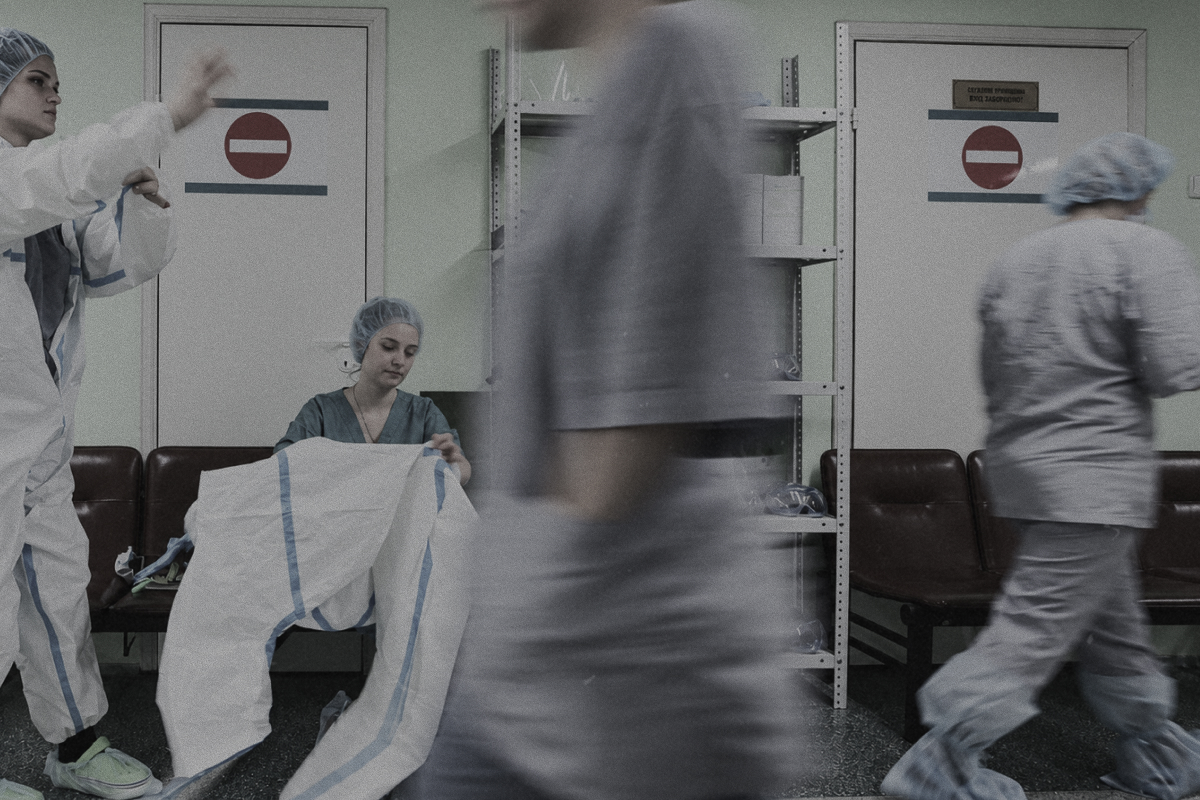
A large-scale personnel crisis, which has hit the medical sector the hardest, is intensifying in russia. According to the latest data, the healthcare system of the aggressor country is short of about 23,000 doctors and more than 63,000 mid-level medical professionals. In particular, in volgograd, rostov, and astrakhan regions, the situation has already reached a critical point – there are only 1.7 resumes per doctor vacancy.
The shortage is particularly acute among specialists in narrow fields. russian clinics are short of about 15% of the required number of orthodontists, as well as pediatric dentists, implantologists, and maxillofacial surgeons. Experts attribute this not only to a lack of practical experience among graduates of higher education institutions but also to low wages, which make them leave the profession.
Even in major cities, the actual situation is significantly worse than the official statistics suggest. In st. petersburg, where doctors positions are formally reported to be 100% filled, there there is an acute need for district therapists, pediatricians and emergency medical service providers. Authorities acknowledge that the official figures are met only because medical professionals are forced to work one and a half to two full-time positions to make up for the staff shortage.
The availability of certain medical specialties in public healthcare facilities is virtually zero. In 2024, there were only 12 osteopathic physicians working in russia’s public clinics (none in 80 regions) and about 200 manual therapists, whose numbers have declined by 13.3% in recent years. Qualified personnel are being driven out of the public healthcare system en masse or are moving to the private sector.
Overall, the shortage of specialists in russia has already extended beyond the healthcare sector and spread to related fields. According to labor market analysts, the labor shortage affects medicine, retail, construction, and transportation, creating a systemic crisis in the social and economic spheres of the rf.