
Frozen Mines and Idle Blast Furnaces: russia’s Civilian Sector Is Collapsing
7/2/2026
russia’s civilian economy is shrinking. While the kremlin reports “resilience”, the real economy is sending mixed signals: mining companies are mothballing fields, machine builders are revising production plans downward, digital infrastructure construction is stalling halfway through, and steel giants are shutting down blast furnaces. Tight monetary policy, sanctions pressure, and chronically weak domestic demand are turning isolated difficulties into systemic deterioration.
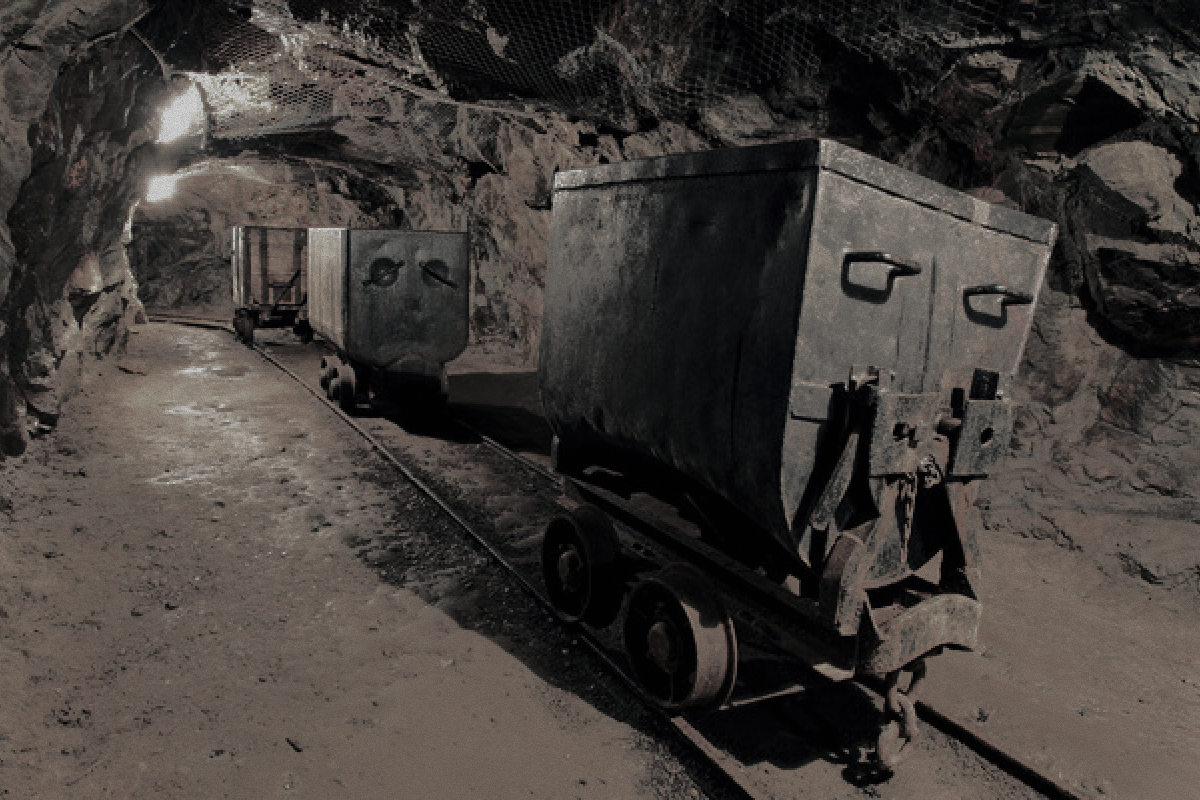
Starting July 1, “alrosa” is suspending mining operations at “severalmaz” in arkhangelsk region for three months. This lomonosov field accounts for about 10% of the company’s total diamond production. Formally, the reason is corporate: to maintain financial stability amid the crisis in the global diamond market. But the context is broader. “alrosa” controls over 90% of diamond production in russia and about 30% of global production, and already in 2024–2025, it mothballed the verkhnyaya muna deposit and part of the “anabar diamonds” one, as well as transferred some staff to part-time work. This latest halt is no exception but rather the latest in a long list of setbacks.
“avtovaz” is revising its production plan for 2026. The company had expected to produce 400,000 cars, 30,000 of which were to be exported. Foreign markets did not absorb the planned volumes, while domestic demand is unable to compensate for them. The result is predictable: a reduction in production. This is a clear diagnosis for the entire russian automotive industry, which has neither reliable foreign markets nor sufficient domestic demand.
The digital infrastructure is not in the best shape. As of June, 38 data center construction projects in russia, with a total value of $1.67 billion, have been put on hold. The reasons are the usual ones: a lack of funding and a shortage of electricity capacity. Between 2023 and 2026, the number of data centers in the active construction phase decreased by 41.6%, investment in the sector fell by 26.3%. Under such circumstances, digital transformation is out of the question.
The ferrous metallurgy sector is experiencing what is perhaps the most dramatic decline. The magnitogorsk iron and steel works has shut down some of its blast furnaces, cut pig iron production by 30%, and reported capacity utilization below 60%. “severstal” forecasts a 20–40% reduction in production. Both companies are the backbone of the russian ferrous metallurgy sector, and their performance figures do not indicate isolated difficulties but rather reflect a systemic decline in this core industry.
Labor resources are also running low. According to the russian-German chamber of foreign trade, 23% of companies in russia plan to reduce their workforce in the second half of 2026, by an average of 10% of their total staff size. The list includes, in particular, “gazprom”, “russian railways”, “veb.rf, and “mmk” itself.