
Fuel Panic: In russia’s Regions, Filling Stations Are Being Sold, and People Are Fighting Over Petrol
7/1/2026
The fuel crisis in russia continues to worsen. The government has banned the publication of real-time data on petrol and diesel price increases, broken down by petrol grade and region. The last report before the ban recorded the largest weekly spike in fuel prices in 20 years, so the decision to withhold the data is a sign of extreme panic.
The shortage is no longer limited to cars. The “east siberian river shipping company”, which operates 17 regular routes in irkutsk region and transports up to 600,000 passengers annually, has reduced the number of trips and raised ticket prices due to a fuel shortage.
irkutsk region has become one of the most glaring examples of the crisis. The petrol shortage has driven up public transportation fares, and local officials are patrolling filling stations, on the lookout for drivers with jerry cans and fuel scalpers. A state of heightened readiness is in effect in the region; the same measures have been implemented in the trans- baikal territory and penza region.
In samara region, MPs even refused to officially acknowledge the problem: the majority did not support a colleague’s proposal to add the fuel crisis to the meeting’s agenda. Meanwhile, local filling stations have for several days been enforcing a limit of no more than 40 liters of petrol per tank.
Drivers who were lucky enough to refill fuel, are now having to deal with the consequences: there have been widespread complaints of vehicle breakdowns due to poor-quality fuel. This refers to the old “euro 3” standard, for which the authorities issued a production permit late last year amid a growing shortage. Modern cars with turbocharged engines and direct injection – in particular, popular Chinese models – are suffering the most.
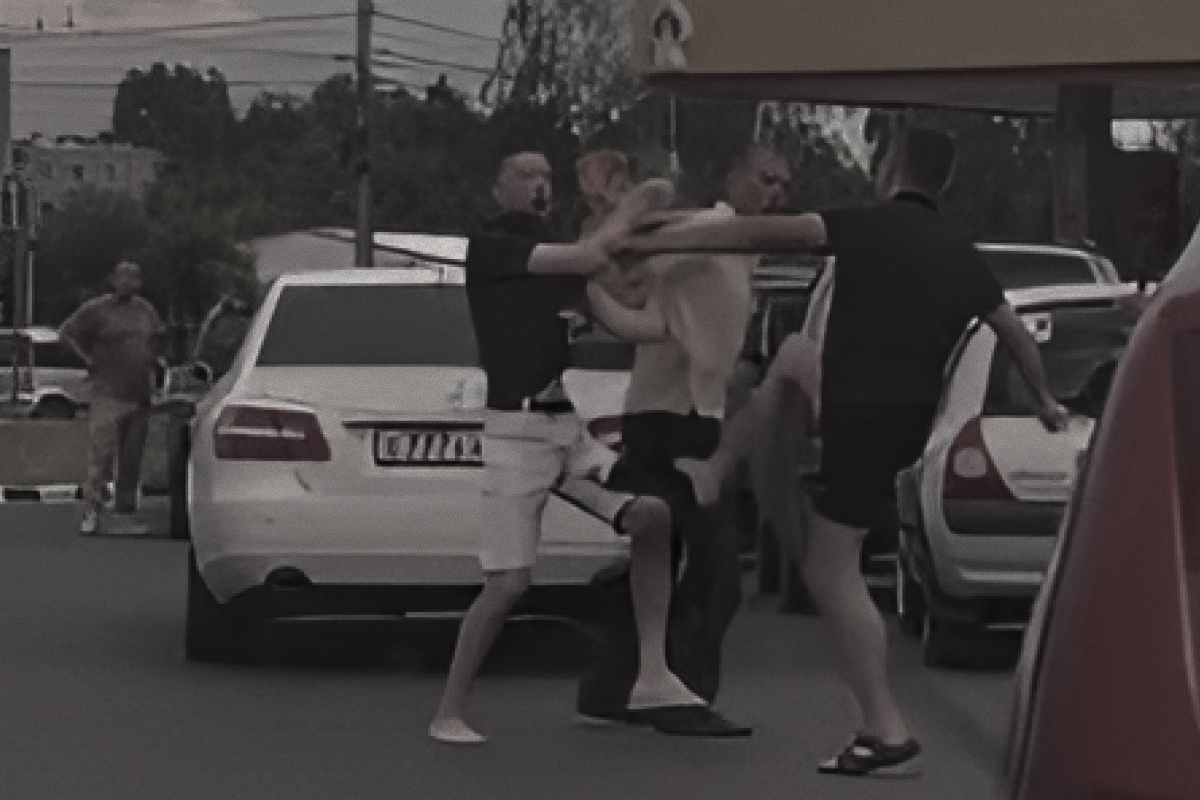
The shortage is already sparking direct conflicts. Across the regions, fights are breaking out en masse at filling stations, and cars are being damaged due to disputes in the queues.
In belgorod region, where petrol is far from being available at all filling stations, they have started selling filling stations themselves.
Prices illustrate the scale of the crisis. The cost of petrol in russia has exceeded 100 rubles per liter for the first time. In irkutsk, a liter of fuel on the black market already costs up to 300 rubles, while in chita, the price reaches 500–600 rubles. belarusian imports are also becoming more expensive: prices for AI-92 petrol rose by 6% over the week, to 127,000 rubles per ton, and have increased 1.8-fold since the beginning of May.
Against this background, russians are switching en masse to fuel-free alternatives: in June, bicycle sales rose by 131%.