
Fuel Shortage Threatens Harvest in russia
7/15/2026
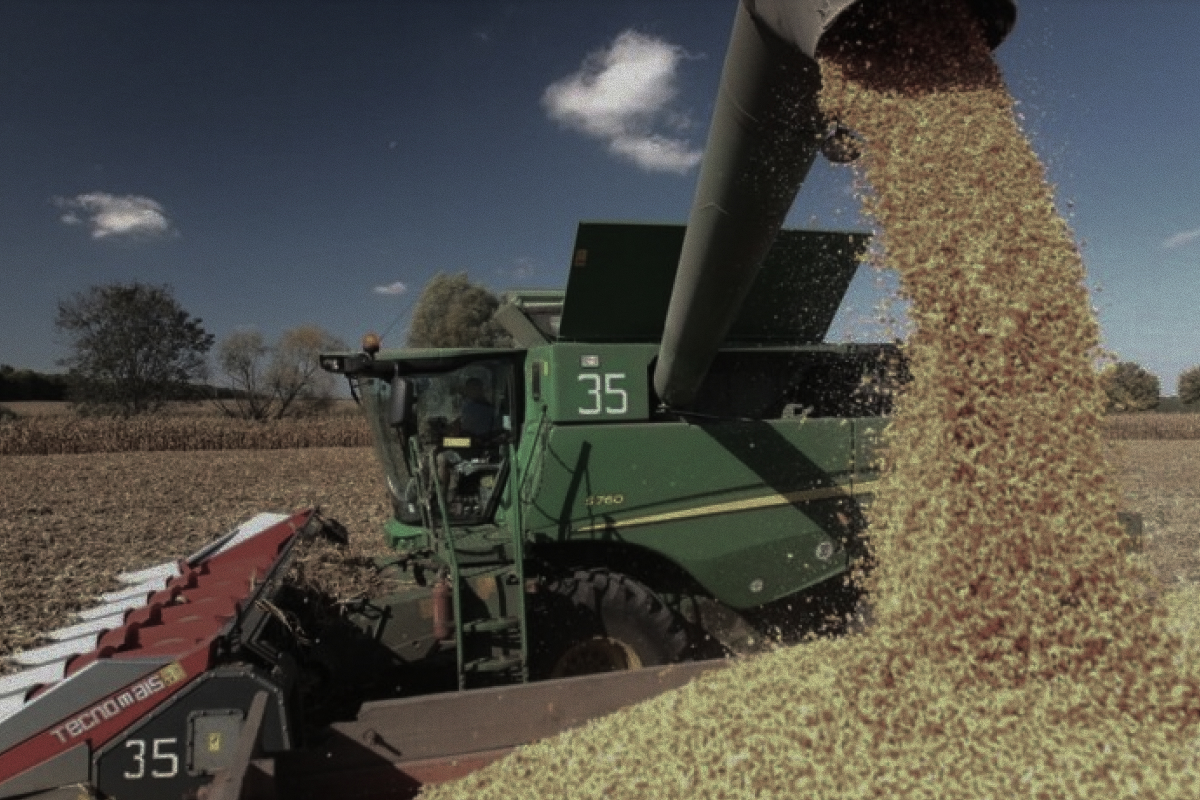
russia is entering the 2026 harvest season with a diesel fuel shortage, which threatens both the pace of the harvest and the survival of small farms. The problem is most acute in southern russia – in the krasnodar and stavropol territories and rostov region – where grains ripen earlier than in other regions. Fuel shortages have also been reported in lipetsk, voronezh, tambov, and sverdlovsk regions, as well as in yakutia and bashkortostan.
The pace of the harvest is lagging behind last year’s nearly 3-fold. As of July 1, only 1.3–1.5 million hectares had been threshed in russia, compared to 4.2–4.6 million hectares on the same date in 2025. deputy prime minister dmitry patrushev publicly denied the existence of systemic problems with the harvest, but he did not provide any specific figures regarding the threshed area or the gross grain yield compared to last year.
The fuel crisis is compounded by a reduction in planted acreage. As of June 1, by 11.3% less land had been sown with spring crops than last year, and by 7.4% less – with winter crops.
The fuel shortage increases the risk of missing optimal agrotechnological deadlines. Once the grain ripens, there are only 7–10 days for harvesting; after that, the grain begins to shatter, and rain may prevent combine harvesters from even entering the fields. Representatives of the agricultural sector in rostov region are already estimating potential crop losses due to missed harvest windows at approximately 15%.
Meanwhile, there are queues at filling stations, and diesel sales are being rationed: 20–200 liters per customer; stations often refuse outright to fill fuel into tanks or other containers. By comparison, a single combine harvester consumes up to 300 liters of diesel per shift, so the established limits do not even cover a single full workday.
Remote areas are hit the hardest. In yakutia, farmers are forced to travel 200–300 km to purchase those same 200 liters of fuel – an amount that is enough for roughly one shift of machinery operation.
Small and medium-sized farms without their own fuel reserves or long-term contracts with oil refineries are the most vulnerable in this situation.
The consequences are clear: crop losses, a decline in grain quality, and a further drop in profitability for small producers, for whom fuel already accounts for about 20% of the cost of grain production. The highest risks will remain in regions with weak fuel infrastructure, long distances between filling stations and farms, and limited storage capacity.