
In August, russia’s Oil and Gas Revenues Fell to Their Lowest Level Since the Beginning of 2026
9/8/2026
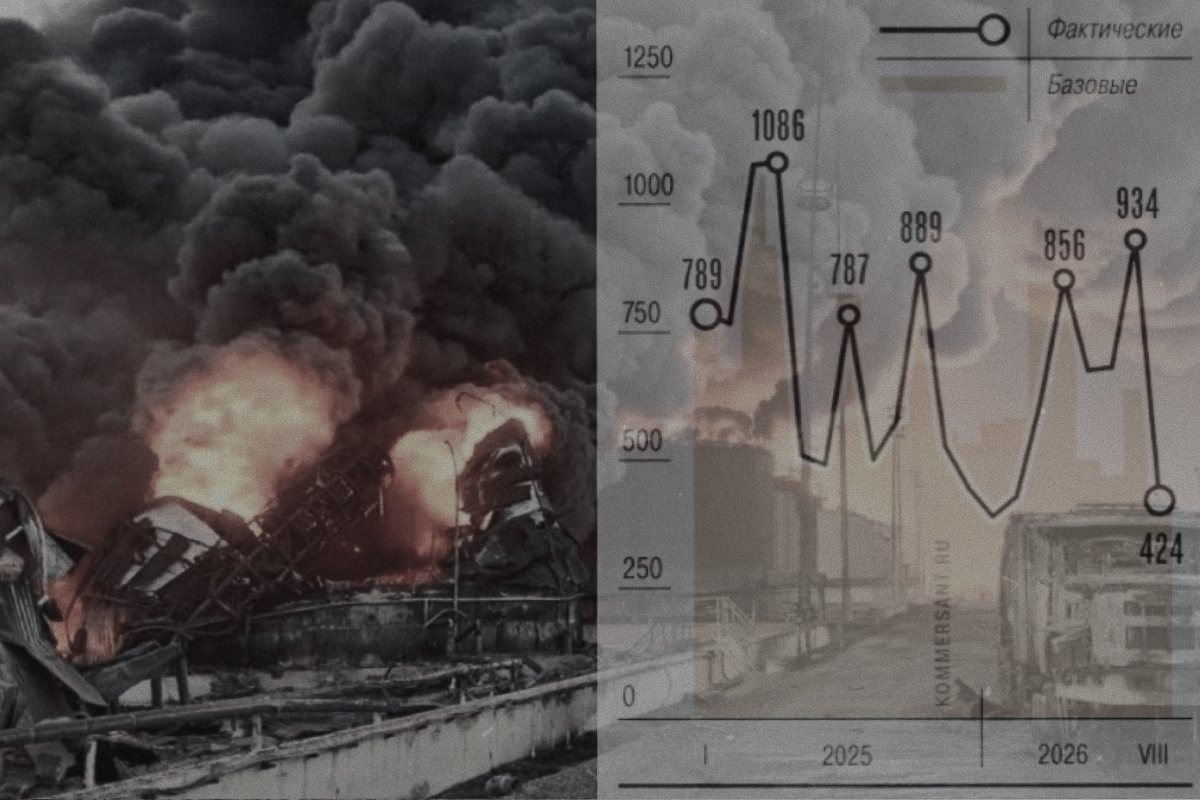
russia’s federal budget oil and gas revenues in August 2026 fell to $4.9 billion – the lowest level since January of this year. According to the ministry of finance of the rf, revenues from the oil and gas sector decreased by 16% compared to August 2025 and by as much as 55% compared to July 2026. In monetary terms, the monthly decline amounted to $10.79 billion.
In total, from January through August 2026, russia’s federal budget received $57.97 billion in oil and gas revenues. This is by 16.7% less than during the same period last year. At this, net budget revenues from the oil sector in August totaled $3.77 billion – by 22% less year-on-year.
The main reason for the decline in revenues was the drop in the price of russian Urals crude. The amount of key oil taxes flowing into the federal budget of the rf depends largely on the price of this crude. Attacks on russian oil refineries remain an additional risk to future budget revenues. The main financial impact of damage to refineries is likely to become apparent in the coming months.
At the same time, russian experts point out the significant burden the oil sector places on the federal budget. From January through August 2026, payments to oil companies under the fuel damper reached $10.58 billion. For reference: the fuel damper is a mechanism through which the russian government compensates oil companies for a portion of their losses from supplying fuel to the domestic market at prices lower than potentially more profitable export prices.
In August, actual oil and gas revenues to the russian budget were approximately by $44 million lower than the baseline level stipulated by the budget rule. This trend limits the russian budget’s ability to further increase support for the oil refining sector without further deteriorating its fiscal indicators.
Most likely, in the coming months, russia’s oil revenues will partially recover from the August low but will remain below last year’s levels. This indicates that the deterioration of russia’s budget situation is not a one-time occurrence but is linked to a decline in fiscal returns from the oil sector.
Damage to russian oil refineries will exacerbate this effect in the coming months. At the same time, the kremlin will lose a portion of its tax revenue from oil refining and will be forced to increase spending to stabilize the domestic fuel market.
Under such circumstances, even a potential recovery in the price of Urals crude will not guarantee that russia’s oil and gas revenues will return to 2025 levels. Consequently, financing high budget expenditures will increasingly depend on non-oil and gas revenues, domestic borrowing, and the use of reserves.