
In russia, the Defense Industry Is Being Punished for a Lack of People Willing to Fight Drones
7/17/2026
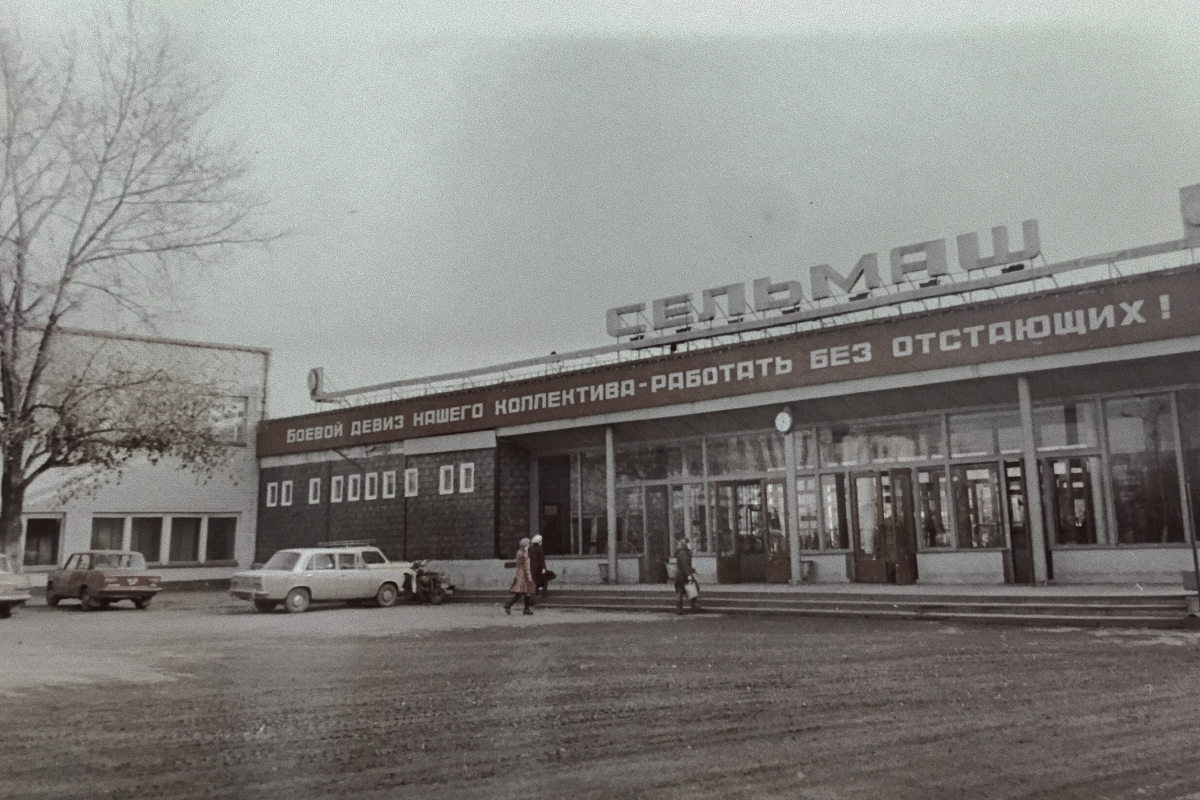
russia has found a new way to torment its own industry – fining strategic enterprises for failing to recruit enough “volunteer” workers to protect their workshops from drones. The “lepse”, “selmash”, and “mayak” plants – enterprises that are already shouldering the burden of the war economy – have been targeted.
The story began in late 2025, when local authorities in kirov region suddenly realized that even rear regions were no longer safe from drone attacks. The decision turned out to be typically bureaucratic – demanding from the factories to form their own air defense units composed of civilian employees. The outcome was easy to predict: there were no people willing to volunteer to stand guard with shovels or machine guns instead of working at their machines.
At the “lepse” plant, lawyers openly admitted in court that “campaigning among employees yielded no results”. The fine was eventually rescinded, but only after the “reserve force” plan was enforced by coercion. At “selmash”, management tried to invoke the law, arguing that the operational headquarters had no right to impose employment quotas, and that forcing staff to sign up as human shields was against the law. The court reduced the fine – though only after the plant had finally “scraped together” the required number of people for the report.
The most outspoken response came from the “mayak” plant, which was also fined. Officials there stated outright that such fines create financial risks and could derail the fulfillment of the state defense contract. It’s a vicious cycle: in an effort to “protect” the defense industry from drones, the state itself is paralyzing it with bureaucracy and panic.
In parallel, the rf tax service has shown a generosity rare for it. Businesses have been officially allowed to write off expenses for anti-drone guns and electronic warfare systems by reducing their income tax. If a piece of defensive equipment costs more than 100,000 rubles, it can be classified as a major asset and depreciated over several years. In effect, russian entrepreneurs are being told in no uncertain terms: buy machine guns instead of machine tools, because it’s up to the drowning men themselves to rescue themselves.
The result is an absurd situation: one arm of the state punishes plants for a lack of “cannon fodder” for internal security, while the other encourages them to arm themselves at their own expense against the consequences of a war that russia itself unleashed. No lasers, trenches around plant buildings, or fines can stop what has already been set in motion. The only way to save the plants, profits, and human lives is to immediately end the war against Ukraine and withdraw the troops. It will still not be possible to deploy electronic warfare systems all over russia.