
India Is Strengthening Its Presence in Central Asia
9/1/2026
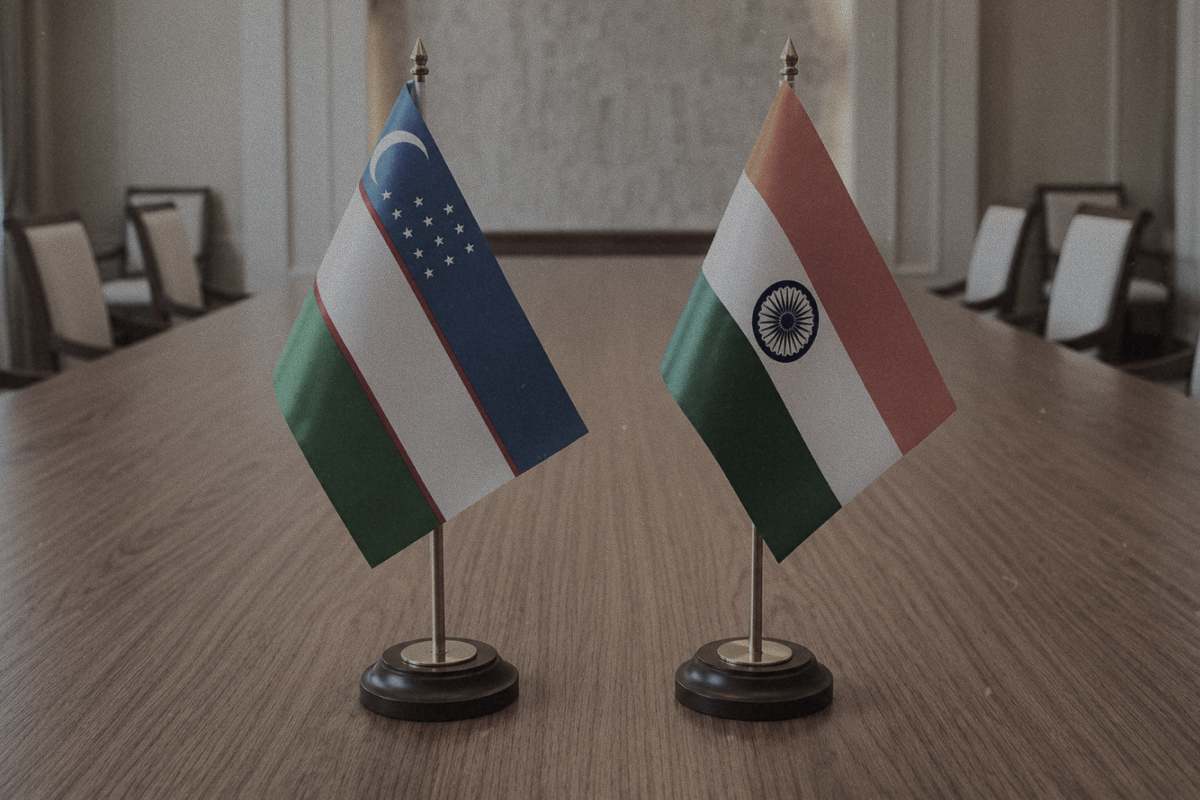
Prime Minister of India N. Modi paid a state visit to Tashkent at the invitation of President of Uzbekistan Sh. Mirziyoyev. Talks focused on trade, transportation, security, and India’s access to Central Asian resources. This is N. Modi’s fourth visit to Uzbekistan as Prime Minister.
Prior to the trip, N. Modi identified security, transportation links, and the expansion of economic opportunities as key priorities of India’s policy in Central Asia. New Delhi also advocates for joint efforts to counter terrorism, separatism, and extremism and is seeking overland routes to the region that bypass Pakistan.
During the talks, the parties discussed trade and investment, defense, energy, digital technologies, critical minerals, and agreed on areas of cooperation within the framework of the “Viksit Bharat 2047” and “Uzbekistan–2030” programs.
In 2025, trade between India and Uzbekistan grew by 33.3% to $1.3 billion. Uzbekistan’s exports totaled $164.6 million, while imports from India amounted to approximately $1.15 billion. The countries plan to double trade within three years, in particular through direct shipments and joint ventures. The possibility of a preferential trade agreement is also being studied.
The main obstacle to trade is the lack of a direct transport route. India is promoting the use of the “North–South” corridor and the Iranian port of Chabahar. Its work will depend on the state of Iran’s infrastructure, the security situation, and the ability to conduct international financial transactions under sanctions.
Separately, the parties are considering long-term supplies of critical minerals to India and joint geological exploration. For New Delhi, this is a way to secure alternative sources of raw materials – beyond China – for the electronics, energy, and defense industries.
In parallel, defense cooperation is expanding. On August 26, India transferred $500,000 worth of military medical equipment to Uzbekistan. In April, the countries conducted their seventh joint exercise, “Dustlik-2026”. Indian professionals are also training Uzbek military personnel in cybersecurity, information technology, and artificial intelligence.
For India, Uzbekistan is gradually becoming a gateway to Central Asian markets and raw material resources. Due to transit issues, rapid growth in freight volumes is unlikely, so joint ventures and production facilities in Uzbekistan are of greater practical interest. Mineral supplies are also unlikely to quickly reduce India’s dependence on China: extraction is limited, and a significant portion of processing remains in China. At the same time, new deposits will expand the range of suppliers. For Tashkent, this is yet another opportunity to attract Indian capital and technology and reduce its dependence on China and russia.