
Indifference As State Policy: russia Is Systemically Destroying Its Own Water Bodies
8/21/2026
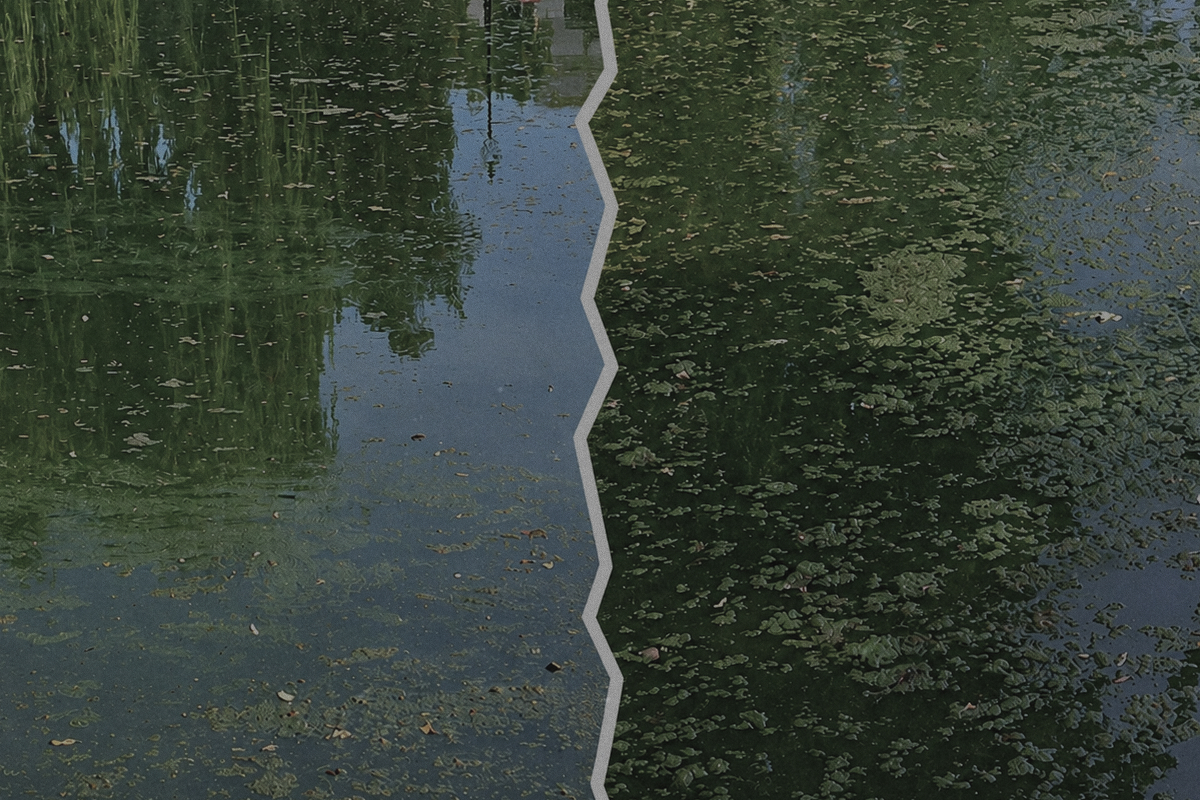
Black water and dead fish have become an everyday occurrence in russia, rather than an emergency. According to “roshydromet”, 2,400 to 2,760 cases of river and lake pollution are recorded in russian regions each year. That’s nearly seven incidents per day.
In the last two weeks alone, some body of water in russia has been polluted in one way or another every day or every other day. Lately, there have been reports of the poisoning of the rivers lesovaya and mazovka in tambov region. In the first case, the river was poisoned by an industrial enterprise; in the second, the reason has not been found out yet, although the water took on a dark hue and an oily film appeared on the surface.
A little earlier, fish died in the stalin pond in saratov and in the river volgotnya in rybinsk district of yaroslavl region. In the stalin pond, dead fish covered the entire bank, the river volgotnya was filled with dead fish from one end to the other. In the second case, the local residents themselves were found to be at fault: due to the lack of a sewage system, they discharge waste from portable toilets directly into the river, because the government doesn’t care whether they have a sewage system at all.
At lake kirpichka in omsk, the same scene is observed: dark water, a chemical odor, dead fish, and dead ducks. In ryazan region, on the river dubyanka, eyewitnesses documented hoses through which the company “vodokanal plus” is discharging sewage directly into the water. In April, authorities had already issued a cease-and-desist order for the exact same discharge, but the water utility’s management simply ignored it, since penalties for river pollution in russia do not exist in practice.
Earlier this month, reports emerged of fish deaths and pollution in several regions at once: lake krugloe in tyumen region, the river lena in yakutia, the river gnilusha in moscow region, and the river ushakovka in irkutsk. A month earlier, the river tura in tyumen region was affected by flooding: the banks were littered with dead fish, the treatment plants could not handle the load, and the tap water became unsuitable even for washing floors.
The authorities do not recognize any of these cases as a systemic problem. Each episode is presented as a local incident, even though the geography speaks for itself: tambov, saratov, yaroslavl, omsk, ryazan, tyumen, yakutia, moscow region, and irkutsk. Indifference is the prevailing attitude here, shared by both the government and ordinary citizens. The authorities do not punish polluters even after official orders, while people dump sewage into rivers because no one has built a sewer system for them and no one intends to. While the kremlin spends resources on the war, its own country is left without clean water, but this does not bother anyone in power.