
Kazakhstan Has Adopted a New Constitution and Is Gradually Distancing Itself from russia
7/8/2026
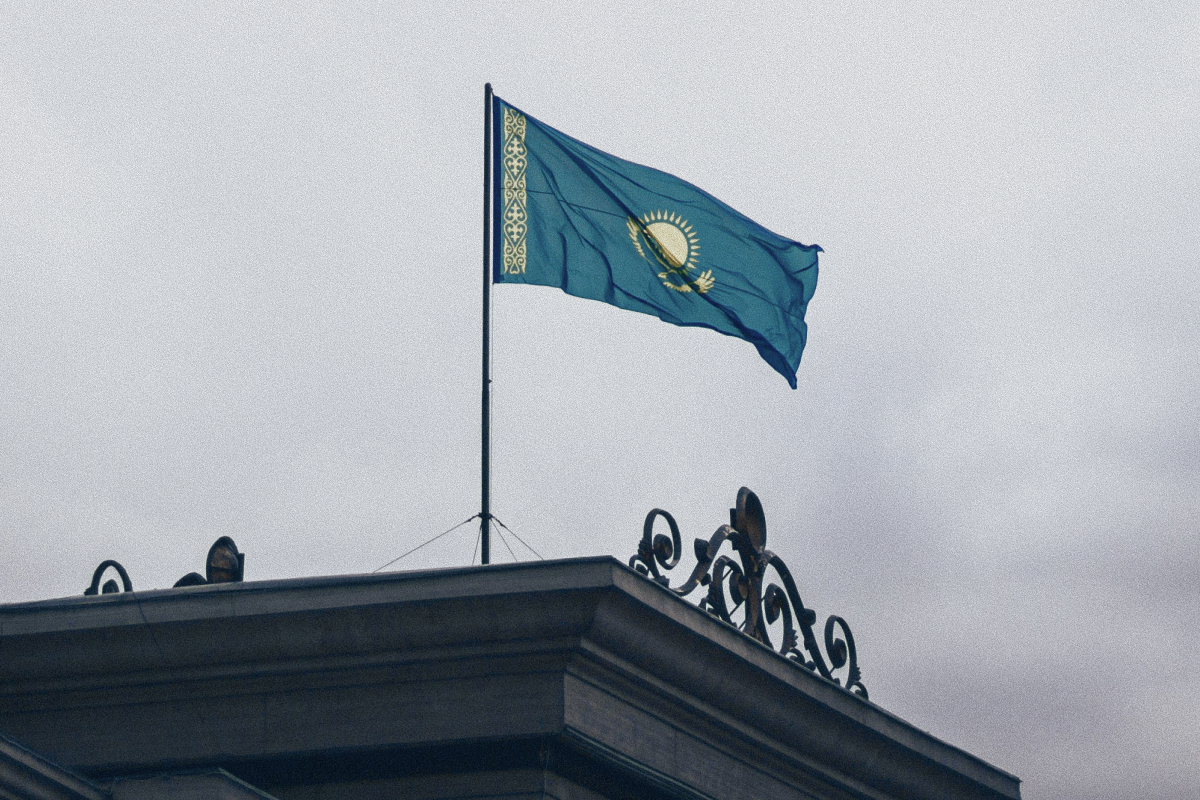
On July 1, Kazakhstan’s new Constitution officially came into force. The document enshrines the principles of a unitary state, the inviolability of borders, territorial integrity, the rule of law, and a presidential form of government. The main institutional changes include replacing the bicameral parliament with the Kurultai, introducing the office of Vice President, and establishing the People’s Council of Kazakhstan – a supreme advisory body designed to represent the interests of the people in the sphere of public administration.
On February 11, President of Kazakhstan Kassym-Jomart Tokayev signed a decree calling for a national referendum on the draft Constitution to be held on March 15. The document was supported by 87.15% of citizens who participated in the vote. Elections for members to the Kurultai, which will replace the bicameral parliament, are scheduled for August 23.
At the same time, the constitutional amendments reinforce the ideological dimension of state policy. Alongside the protection of sovereignty and independence, respect for human rights and freedoms, the rule of law, and the strengthening of national unity, the document specifically enshrines the development of public dialogue, responsible patriotism, the cult of work, the preservation of historical and cultural heritage, and support for national culture. This demonstrates Astana’s intention to combine the reform of state institutions with the formation of a renewed national identity and the strengthening of internal social unity.
Among the specific elements of this policy are stricter regulations regarding dual or multiple citizenship. Possession of a passport from another country is now grounds for revocation of Kazakhstani citizenship, and the wording regarding the status of the russian language has also been changed. From now on, Kazakh retains its status as the sole state language, while russian is officially used in state organizations and local government bodies “alongside” Kazakh. Compared to the previous wording regarding the use of the russian language “on an equal footing” with Kazakh, the new version demonstrates a cautious but entirely deliberate shift in the linguistic balance in favor of Kazakh.
The new Constitution effectively creates an institutional framework for Tokayev to reset the government and gradually distance from russia without direct confrontation. In the near future, Astana will likely focus on establishing the Kurultai as a controlled center of political representation, which will allow for the renewal of the model of state governance without actually weakening the presidential hierarchy. The amendment regarding the status of the russian language is primarily symbolic, but it may well serve as a marker of the gradual narrowing of russia’s influence in the humanities in Kazakhstan.