
lukashenko’s Regime No Longer Counting Its Victims
7/7/2026
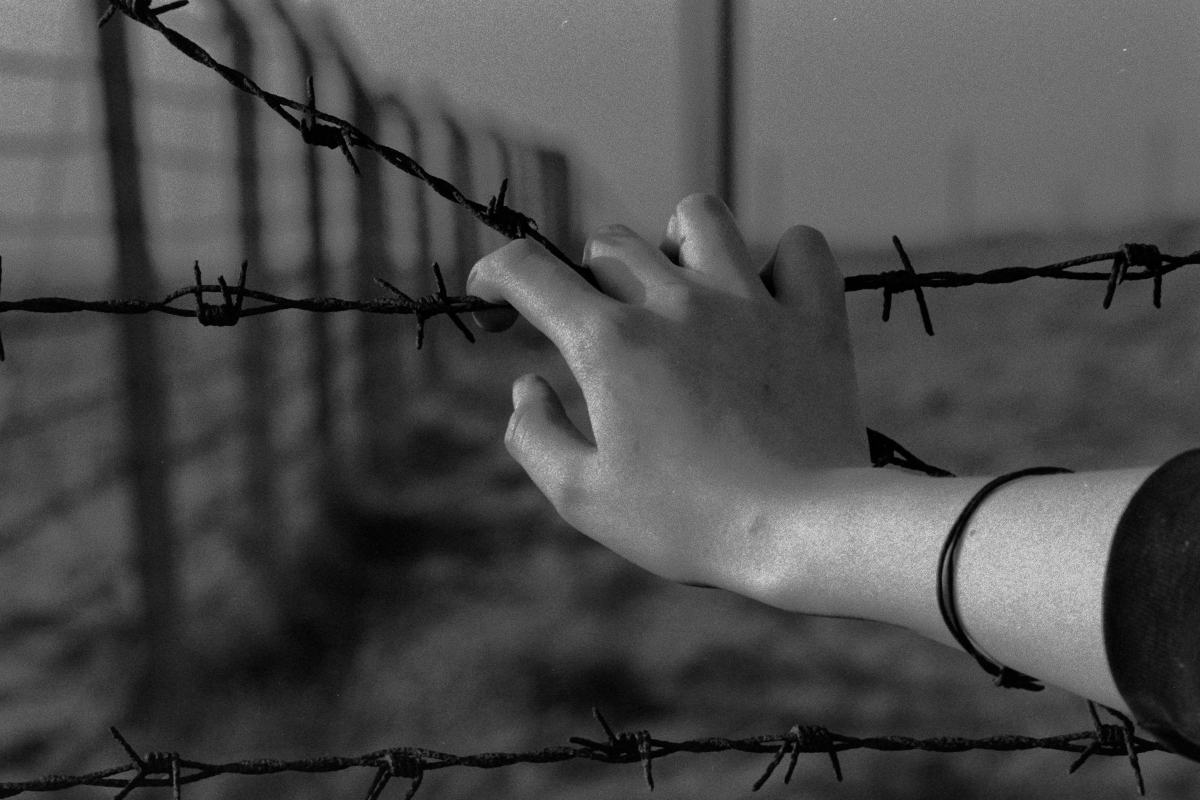
belarusian authorities have stopped publicly counting their victims. Six years after the 2020 protests, lukashenko’s regime has shifted from high-profile mass detentions to a system of covert pressure, which the Viasna Human Rights Center has termed “hidden repression”. This is detailed in the organization’s latest report, which covers the period from 2020 to 2026.
The first years following the protests were marked by overt use of force: mass administrative detentions, high-profile criminal cases, and beatings in the streets. At the time, the authorities deliberately demonstrated a hardline stance, hoping to intimidate people through public exposure. But starting in 2022–2023, the approach changed. Formally legal procedures began to be used to suppress dissent with minimal external visibility. Court hearings were closed to observers, cases were heard in absentia, and investigative materials were classified as confidential.
The situation reached its peak at the turn of 2024 and 2025, when the last channels for external monitoring disappeared. The regime completely stopped regularly publishing data on prosecutions in “cases of extremist orientation”. The supreme court, the prosecutor general’s office, the investigative committee, and the ministry of internal affairs publish only fragmentary statistics, which are deliberately designed to make it impossible to distinguish politically motivated cases from the general body of cases.
The figures that do seep out through individual statements by officials contradict one another. In February 2025, prosecutor general andrei shved announced a twofold decrease in the number of “extremist crimes” over the course of a year, even though official data had previously shown a steady increase in this figure of approximately five thousand each year. According to Viasna’s estimates, as of the end of May 2026, at least 6,500 people had been convicted on political grounds, while the total number of identified “extremist crimes” exceeded 25,000. The difference between these figures is the reserve from which the regime can draw new cases without the need for new street protests.
Controls are particularly strict in places of detention. Since 2021–2022, prisoners have had their correspondence with immediate family members restricted, their phone calls and visits curtailed, and, once a verdict takes effect, they have been virtually denied access to lawyers. In the spring of 2026, a minsk court ruled that a Telegram chat group of relatives of detainees at the “kolyadichi” pretrial detention center contained extremist material, and the chat group itself was added to the list of extremist organizations. This effectively criminalized any communication between relatives and convicts through that channel.
The persecution does not stop even at the border. Journalists and human rights defenders who have left the country are tried in absentia and sentenced to years in prison.
Alongside criminal prosecution, the regime is building a system of social isolation. People who have previously come under suspicion are being pushed out of skilled jobs and forced to accept low-paying work unrelated to their profession. These processes go largely unreported due to the prevalence of contract-based employment and the absence of independent trade unions which could protect those who have been fired.
The authors of the report emphasize that the lack of information from belarus does not mean there are no problems; rather, it merely demonstrates the effectiveness of the mechanisms used to conceal them. A pervasive fear of sanctions forces people to remain silent even in private conversations, and the line between coercion and consent is blurred to such an extent that support for the regime is gradually becoming a normal part of daily life for survival.