
New Taxes Have Intensified the Conflict Between the kremlin and Big Businesses
10/27/2026
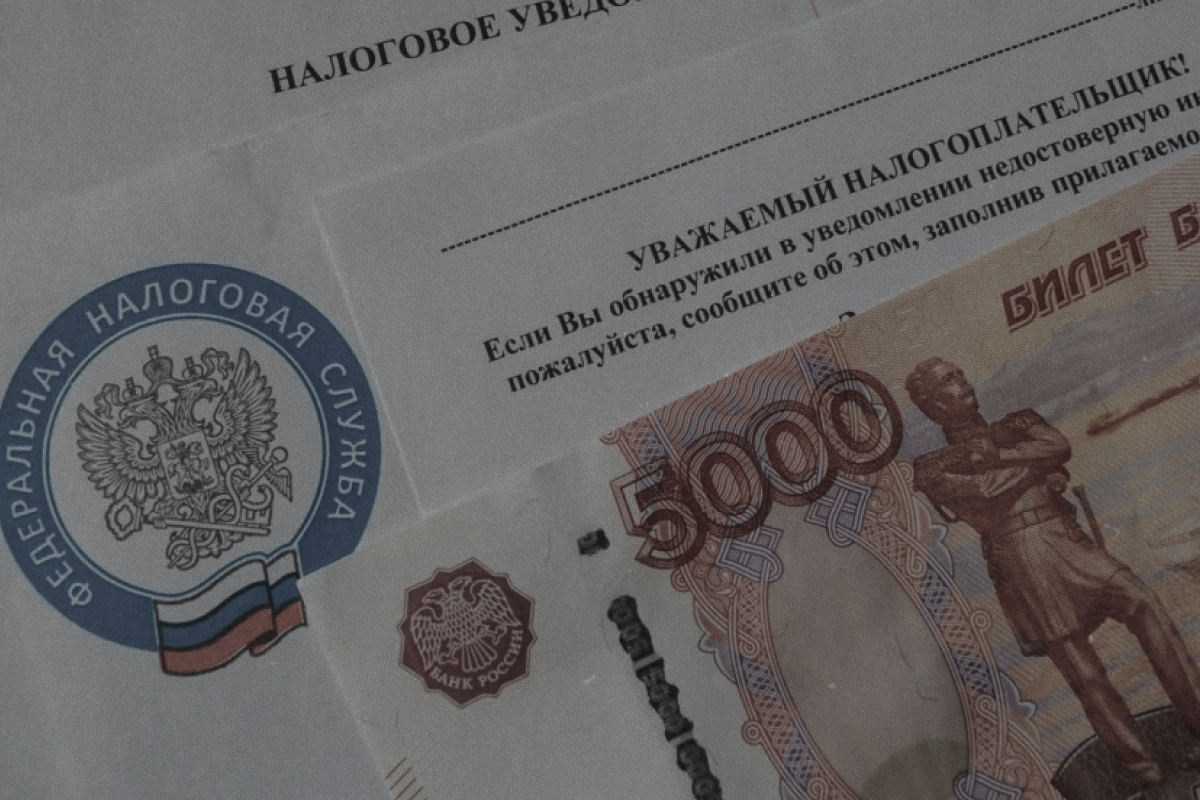
russian businesses are calling for a review of the tax changes due to the risk of reduced investment and capital flight. president of the russian union of industrialists and entrepreneurs (RSPP) aleksandr shokhin has appealed to prime minister of the rf mikhail mishustin with proposals to amend the tax bills before the second reading. The business community believes that the new rules will increase the tax burden and violate the promise to maintain stable tax conditions until 2030. russia has already raised taxes on corporate profits, personal income, and VAT.
The “oligarchs’ union” is against a 30% tax on the excess profits of mining companies. This tax is expected to bring in approximately $8.3 billion to the budget in 2027–2029. Instead, the russian union of industrialists and entrepreneurs (RSPP) proposes temporarily raising the corporate income tax rate by 0.5–1 percentage point from 25%. This could generate $5.9 billion to over $11.9 billion for the budget. The business community is also calling for an increase in the cap on the federal investment tax credit from 3% to 10–12%. Their argument is that real investment in russia’s economy fell by 4.6% in the first half of 2026.
The taxation of passive income is a particular cause for concern among oligarchs. According to the RSPP’s estimates, the combined tax on corporate profits and dividends paid could reach 42%, which would reduce the attractiveness of russian financial instruments and increase the risk of capital flight. The business community proposes limiting the application of the higher rates to three years, maintaining tax breaks for bank deposits and long-term investments, and indexing tax thresholds to inflation.
The RSPP also objects to taxing investment funds at a 15% rate. With returns of 20–30%, taxes could consume 50–75% of profits. They suggest taxing income at the investor level or postponing the new rules as alternatives.
In addition, the business community is requesting tax incentives for companies that protect property from drone attacks, specifically exempting such facilities from property tax and allowing for the double deduction of mandatory expenses for protecting critical infrastructure.
The RSPP’s demands highlight the conflict between the state’s need to replenish the budget and the business sector’s ability to finance development. Additional taxes amid falling investment could slow down the modernization of enterprises and reduce the future tax base. The unpredictability of tax rules also undermines trust in the government and forces companies to postpone long-term projects.