
Prison in russia Is Safer Than Freedom: The Regime’s Alcoholic Arithmetic
7/10/2026
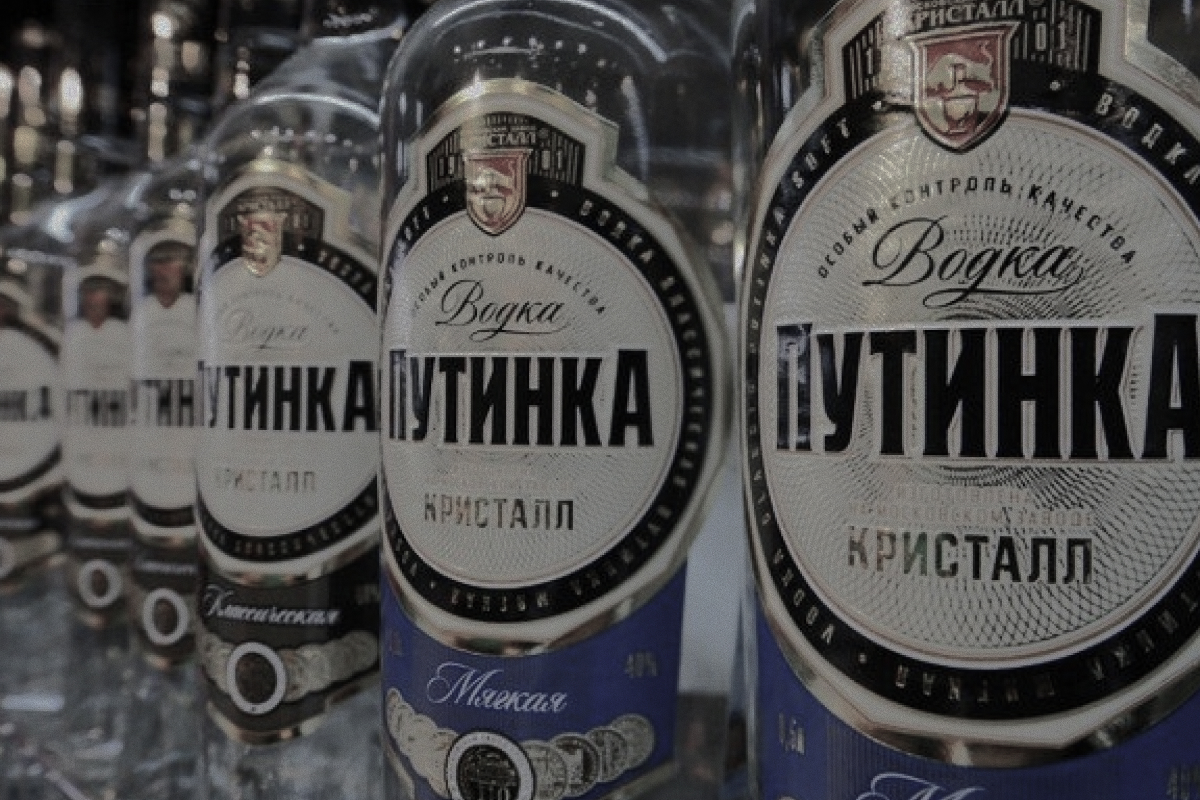
The mortality rate among russian men on the outside is roughly three times higher than that behind bars. The figure speaks for itself, as the mortality rate in russian prisons is traditionally considered to be one of the highest in Europe.
The reason for this paradox is obvious: alcohol. It accounts for 70% of all excess mortality among men. Materials prepared for a roundtable meeting of the federation council committee on social policy explicitly state that alcohol reduces the life expectancy of men in the rf by 20 years. This is an official estimate from the very body that shapes policy on alcohol availability.
Bans, price hikes, and public service announcements have failed to produce results. The kremlin’s policies in recent years, combined with casualties in the war – which official propaganda refers to as “special military operation” – have only further motivated russians to seek solace at the bottom of a bottle. According to last year’s figures, the number of new diagnoses of “alcohol dependence” rose for the first time in five years: over 83,000 cases compared to 63,400 the previous year. These are specifically new cases, not relapses, as evidenced by the drop in the proportion of repeat hospitalizations from 27.2% to 16.7%. The statistics delicately omit any mention of where previously registered alcoholics have gone.
The regions with the highest alcohol consumption in the rf are traditionally the most economically depressed ones. The nenets autonomous okrug consumes 18.2 liters of pure alcohol per person per year, the jewish autonomous region – 14.76 liters, and chukotka – 14.17 liters. And these are only official figures, which do not account for moonshine and surrogates, which are typically used to compensate for the lack of money to buy legal alcohol.
Surprisingly, moscow has made it onto the list of “low-drinking” territories: only up to 5 liters of pure alcohol per person per year. The explanation is simple: in a metropolis, there are more forms of entertainment and ways to spend money than just a bottle of vodka. So, residents of economically depressed regions are left with two options: either travel to the capital for new experiences, or follow the tried-and-true pattern: drink, have fun, end up behind bars. And there, as the statistics show, not only is one’s head more intact, but food is provided by the state, and a direct path to war has already been paved.