
Railway Chaos in russia Has Disrupted Export Shipments
10/21/2026
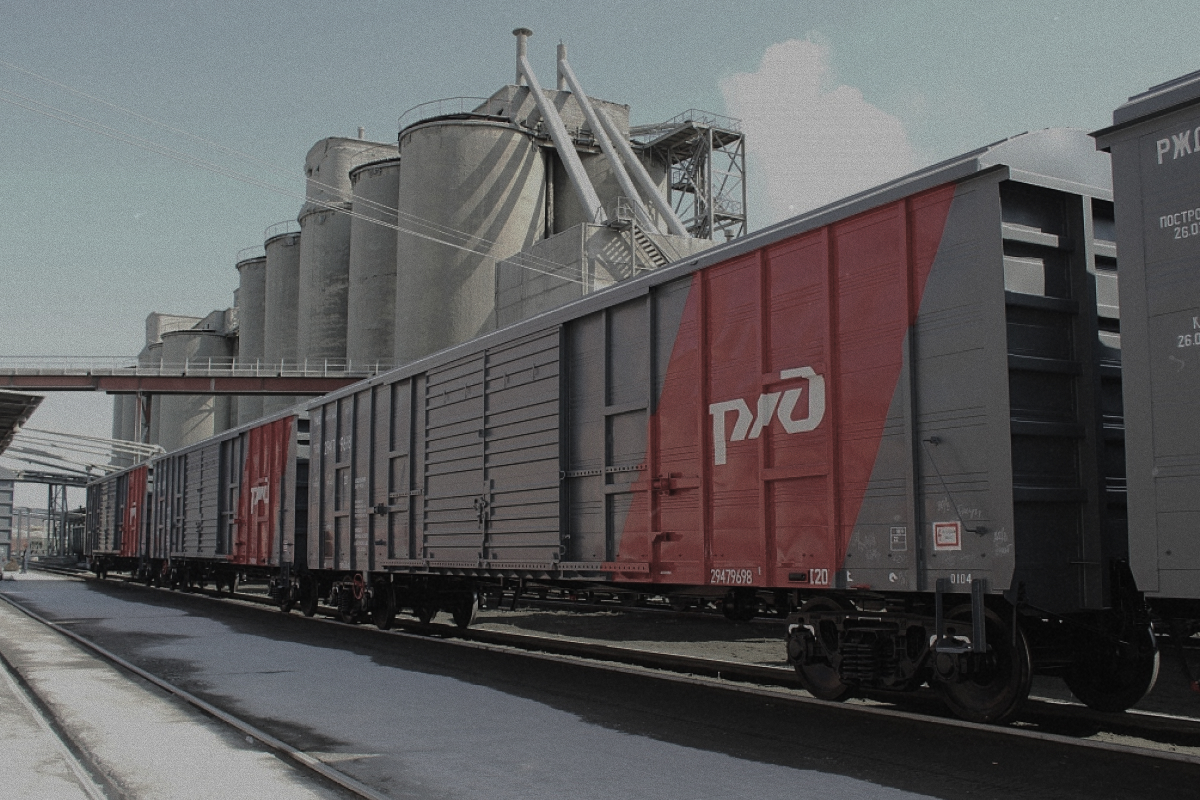
Railway transportation of agricultural cargo in russia is plagued by delays, refusals to approve applications, and the revocation of previously issued permits. In October, the cost of renting platform wagons rose by 26% – to 1,600 rubles per day – while the cost of transporting grain in hopper wagons to Baltic ports increased by 25%. The cost of a container rose by 57.4% – from 270,000 to 425,000 rubles. On some routes, platform rental rates reach 5,000 rubles per day.
Since July 2026, shipments through ports in the Azov-Black Sea basin have fallen sharply. Exporters have redirected cargo to ports on the Baltic Sea and in the Far East, but the railways cannot cope with the volume. In August, exports through the main border crossing points in northwestern russia rose by 18.8%. Shipments of grain increased sixfold, of ferrous metals – by 91.6%, and of coal – by 56.7%. There are more transportation requests than the railways can handle.
Railway wagons are standing idle, waiting for permits to move and be unloaded. Cargo is not being accepted even for previously approved requests, causing railway wagons to pile up at loading sites, while there is a shortage of available rolling stock. Not only agricultural companies but also enterprises in the oil, metallurgical, and chemical industries are complaining about the chaos.
Road transport cannot replace railways: on a ton-per-kilometer basis, it costs 2.5 to 3 times more. Higher transportation costs reduce the profitability of exports, and grain that cannot be exported remains on the domestic market. Excess supply puts downward pressure on purchase prices and erodes farmers’ incomes.