
Reporting on War Expenditures: A New Tool for Ensuring the Loyalty of russia’s Governors
6/27/2026
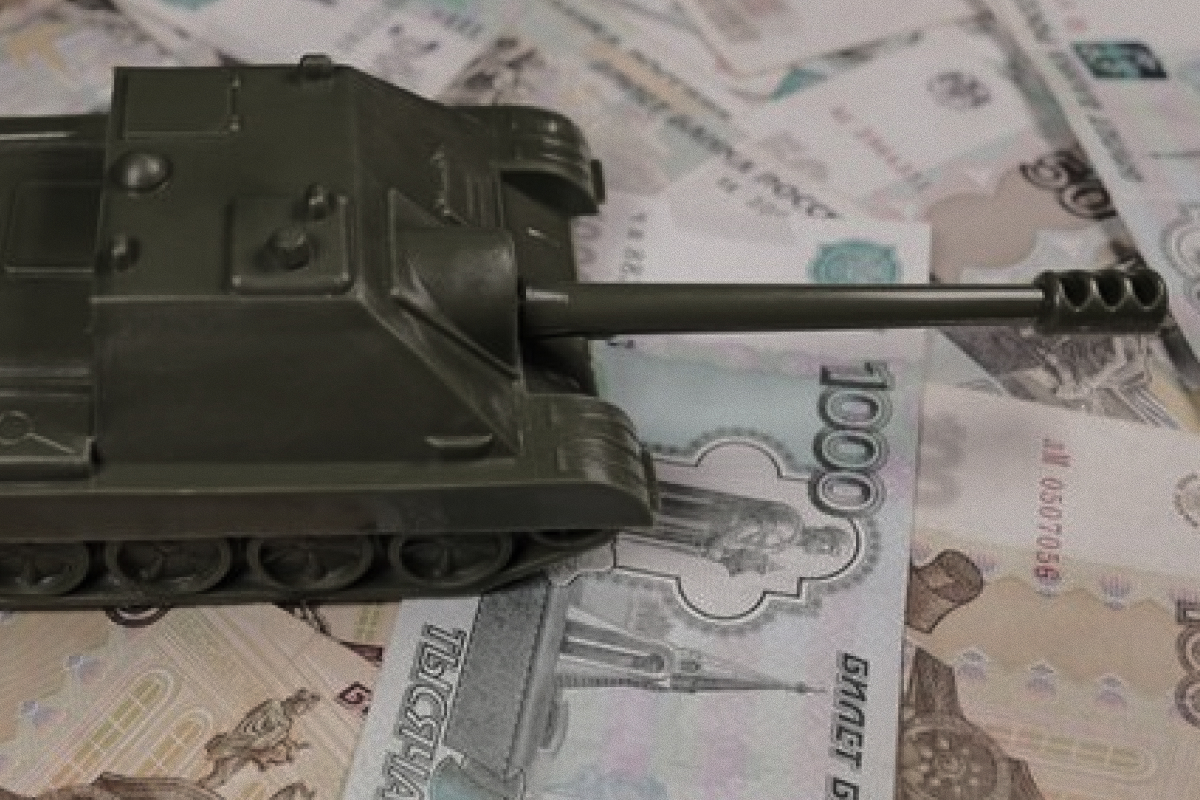
Throughout 2026, the rf’s regional leaders began speaking much more openly about spending on the war against Ukraine. Until recently, this topic was considered too sensitive: any mention of the billions sent to the front risked sparking discontent amid a crumbling public utilities sector, underfunded healthcare, and neglected infrastructure. Now the situation is reversed. Governors have made war expenditures the main focus of their reports, as if these were not necessary expenses but rather a source of pride.
This hits subsidized regions the hardest. There, total war-related expenditures – including off-budget funding schemes – account for 18–20% of all available resources. Even in the rf’s financially prosperous regions, this figure does not fall below 10%.
In 2026, the krasnodar territory allocated $231.6 million (17 billion rubles) in its budget to support participants in the “special military operation”. Last year, leningrad region spent $327 million (24 billion rubles) on military needs, and this does not include contributions from large businesses, which are also being forced to pay.
yakutia provided the most telling picture. The republic published one of the most detailed assessments of regional military spending among all constituent entities of the rf. The region’s head, a. nikolaev, reporting to the local parliament, stated that since February 2022, yakutia had transferred $55.9 million (4.1 billion rubles) worth of equipment and machinery to the russian occupying forces. In 2025 alone, $147.1 million (10.8 billion rubles) was spent to support military servicemen and their families. And if we count everything – contract payments, equipment purchases, humanitarian aid, compensation for the wounded and families of the fallen, and other social programs – yakutia’s total military spending for 2025 could have reached $340–408 million (25–30 billion rubles). Part of this money is taken directly from the budget, while the rest is channeled through government-controlled funds and the coffers of local businesses, which conveniently hides the true scale of the spending from prying eyes.
Recruiting contract soldiers constitutes a separate expense category. In the stavropol territory, an additional $123 million (9 billion rubles) was allocated in the spring of 2026 for one-time payments to those who sign contracts with the ministry of defense of the rf.
Pressure on regional budgets is mounting from several directions at once. Firstly, there are one-time payments for contracts with the ministry of defense, the amounts of which most regions continued to increase throughout 2025–2026; secondly, the procurement of vehicles, drones, communications equipment, generators, and other gear for military units; thirdly, social support for combatants: compensation, medical rehabilitation, housing programs, and educational benefits; fourthly, the active use of extrabudgetary funds and resources from large businesses, which makes it possible to conceal the true scale of military spending. And finally, increased spending on protecting the territory of the rf from drone and missile strikes – that is, strengthening the security of critical infrastructure and developing air defense capabilities.
russian experts predict that when regional budgets for 2027 are drawn up, these expenditure items – funding the war and defending the territory against drone and missile strikes – will remain among the top priorities. This means even greater pressure on regional finances and even less money for civilian infrastructure, social services, and economic development.
Amid rising costs, the kremlin is effectively turning the regions into an additional source of funding for the war. Governors’ public reporting on military expenditures serves several purposes at once: it justifies cuts to social programs, demonstrates subservience to the federal government, and provides grounds for requesting additional transfers from moscow. Military reporting has evolved from a bureaucratic formality into a tool for regional authorities to bargain with the kremlin for their survival.