
russia Is Completing the Iron Curtain for Its Own Internet
7/15/2026
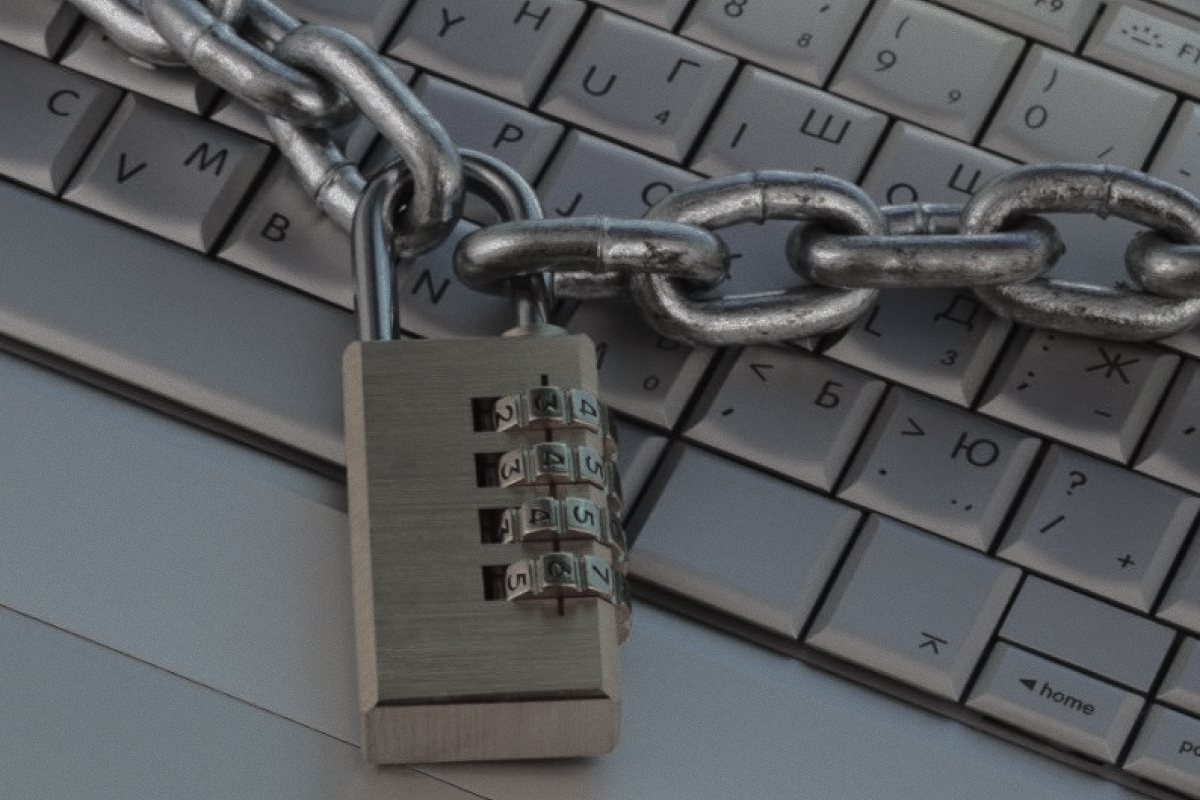
In early July, the ministry of digital development of the rf took another step toward completely isolating russians from the free internet. A new mechanism for controlling international roaming traffic has closed one of the few loopholes still used by those trying to bypass kremlin censorship. Now, traffic from subscribers of foreign carriers located in russia is filtered just as strictly as traffic from users of russian networks.
Previously, some russians were able to evade blanket blocks precisely through international roaming. The scheme was simple: a foreign carrier processed the traffic, while the russian network merely relayed it, preventing state censors from applying their usual filtering tools. People gained access to blocked resources, albeit at a considerable cost.
According to industry experts, there are about 2 million SIM cards from foreign carriers in russia, and approximately 500,000 of them were used for constant internet access. People used them to register with foreign services, conduct business with foreign banks, and, of course, to bypass blocks. This solution never became widespread: the monthly fee was around EUR 30, and for most russians, that was too high a price to pay for a sliver of digital freedom.
Now, even this possibility has practically disappeared. The new mechanism primarily blocks access via roaming to resources that are already banned in russia: most foreign social media platforms, certain news sites, and other services.
Experts describe the new restrictions as another step toward implementing the “sovereign internet” concept promoted by the kremlin – the complete centralization of control over internet traffic, regardless of the telecom provider or connection method.
putin’s regime is not attempting to establish immediate, total control over all internet traffic yet. Instead, it is methodically dismantling the technical means to circumvent blocks. This will allow the kremlin to standardize filtering rules for most users and to implement new bans more quickly as soon as the political need arises.