
russia Is Drowning in Its Own Contaminants
6/28/2026
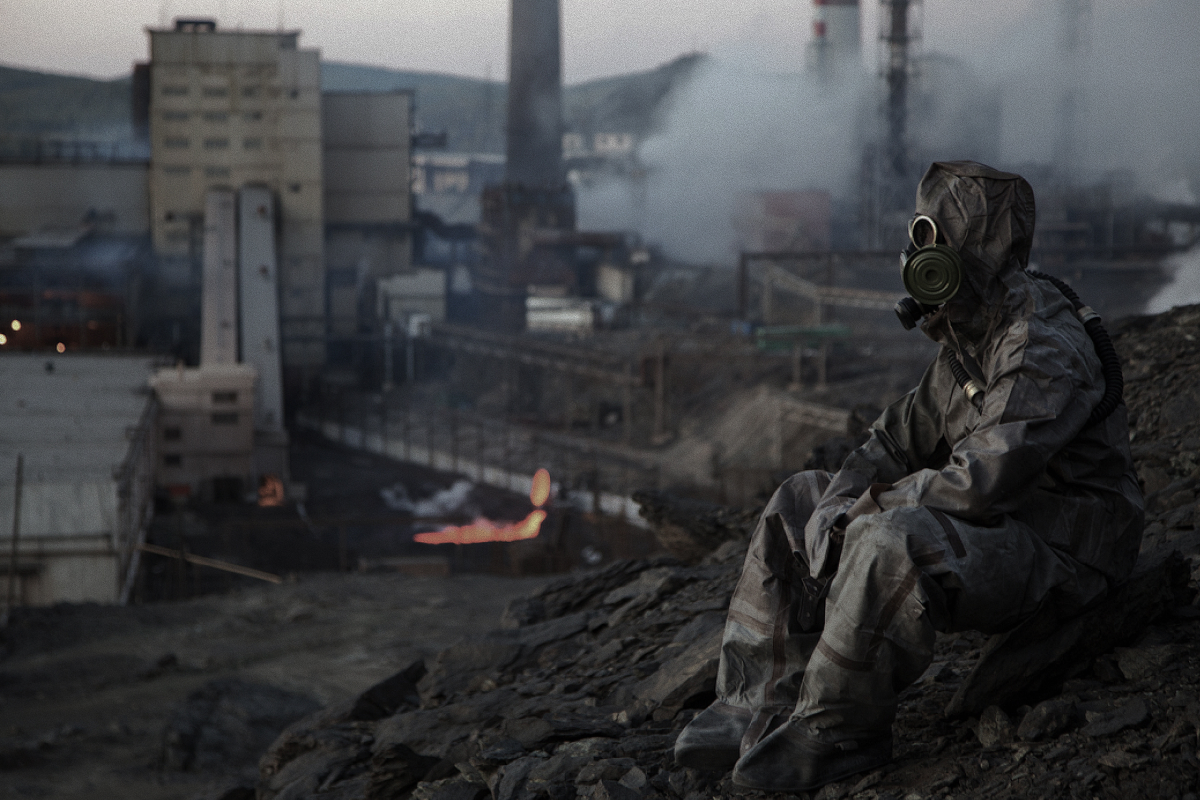
“rospotrebnadzor” has released a report on the sanitary and epidemiological well-being of the russian population for 2025. The document goes far beyond the usual bureaucratic reporting. The figures in it read like a diagnosis of a country that is systematically poisoning its own population and isn’t even trying to fix it.
The overall chemical burden on the health of russians has increased by 5.9% over the past year. Already, 83.8 million people – 57% of the population of the rf – are affected by it. In other words, most of the country lives in conditions that the state itself acknowledges as harmful.
The regions with the highest levels of air pollution are khakassia (4.5% of samples exceed maximum permissible concentrations), altai (3.43%), and krasnoyarsk (2.24%). Formally, the overall level of air pollution in the country has decreased: the proportion of samples exceeding standards in cities was 0.69%, and in rural areas – 0.32%. But precisely where people live, the situation is worsening: air pollution near motorways in residential areas is increasing and has already reached 1.06% of samples exceeding standards.
The proportion of soil samples that do not meet standards is 8.4% for bacteriological indicators, 3.51% – for chemical indicators, and 0.64% – for parasitological indicators. The highest levels of chemical soil contamination were recorded in north ossetia–alania (55.7%) and the khabarovsk territory(19.5%). In terms of microbiological indicators, the situation is the worst in the jewish autonomous region (47.4%) and the khabarovsk territory (35.2%).
Chemical pollution of water bodies that serve as sources of drinking water is on the rise. The percentage of samples that do not meet standards for sanitary-chemical indicators has reached 28.05%, and for microbiological indicators – 15.27%. The situation is the worst in kurgan region, where 100% of samples fail to meet chemical composition standards, and in novgorod region, with a rate of 90.22%.
Marine pollution has also worsened. The proportion of samples exceeding chemical standards rose to 12.97%. In st. petersburg and leningrad region, 97–100% of the seawater samples tested failed to meet sanitary standards for both chemical and microbiological composition.
The level of marine water pollution by petroleum products has increased 10.3-fold: the proportion of non-compliant samples rose from 1.22% to 12.59%. Fuel oil has covered 150 beaches – 141 in anapa and 9 in temryuk district. Toxic petroleum products have penetrated deep into the shoreline; contamination has been detected at three different depths and three different distances from the water’s edge. At the same time, the coastal air has been affected, and underground and surface drinking water sources are at risk. Toxic damage to local fish and aquaculture facilities in the coastal zone has been documented.
The share of counterfeit products on the market has risen to 5.9% – a 63.9% increase from the 2022 level. The most commonly counterfeited products are meat products (9.2%), poultry and eggs (8.3%), and dairy products (6.6%). Microbiological violations were detected in 4.03% of food samples.
Antibiotic resistance is a particularly concerning issue. 56.6% of all bacterial strains isolated from food products were found to be resistant to antibiotics. The main source of “superbacteria” is poultry meat and eggs – accounting for 45.9% of all resistant strains. Among the most dangerous microorganisms, bacteria of the genus salmonella (68.7%) – which have developed resistance to gentamicin and amikacin – are the most prevalent.