
russia Is Expanding the Powers of the Military Police and Mobilization Control
11/8/2026
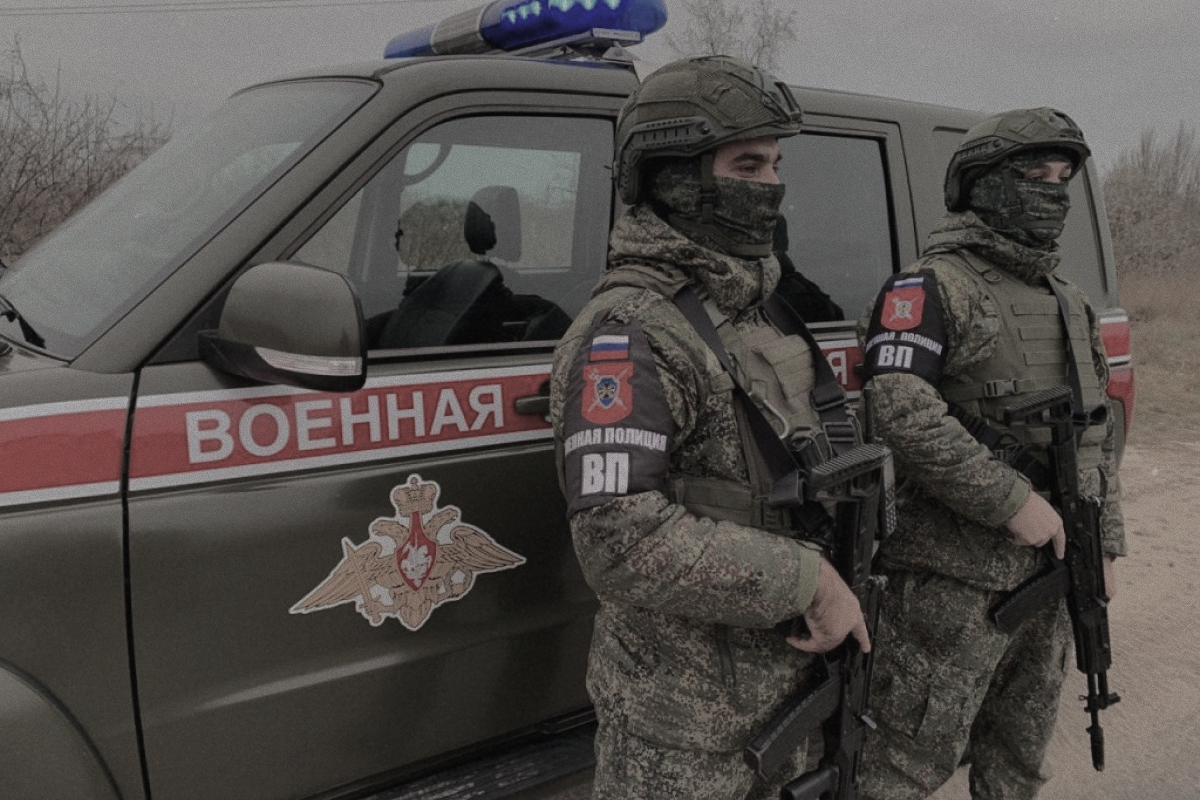
Life for ordinary russians is becoming increasingly difficult amid growing militarization, the expansion of the powers of law enforcement agencies, and the state’s efforts to control more and more aspects of public life. The kremlin continues to restructure the state apparatus to meet the needs of war. Further evidence of this is a draft presidential decree that calls for changes to the organization of the military police.
Specifically, the document expands the military police’s authority to track down and detain individuals who evade conscription, mobilization, or desert their military units. To this end, they may establish special apprehension teams and rapid-response units, set up ambushes, erect roadblocks and observation posts, pursue suspects, and use special equipment.
At the same time, the expansion of the military police’s powers reflects competition among russia’s security agencies – the ministry of defense, the ministry of internal affairs, and the russian guard. The authorities are attempting to divide up responsibility for controlling military personnel, those who have been mobilized, and russians who are still in the conscription process. The military police could effectively become an additional tool for controlling those who try to avoid being sent to war or to leave the service. Behind this lies not only the strengthening of the repressive apparatus, but also a struggle among government agencies for authority, resources, and influence.
At this, militarization extends far beyond the army and law enforcement agencies. It is increasingly infiltrating the russian education system: schools are introducing military-patriotic events, elements of basic military training, classes involving the use of drones, and military-themed instruction. Children and young people are being drawn into propaganda campaigns, which portray war as a natural part of the state’s existence.
The strengthening of the military police, the expansion of mobilization controls, and the militarization of education point to the emergence of a system in which the interests of the state and war are prioritized over the needs of society. And the kremlin’s refusal to reconsider its military course means that the consequences of this policy will be felt not only by russia’s neighbors but also by russians themselves.