
russia Is Losing the Battle for Steel Even in Its Own Market
9/14/2026
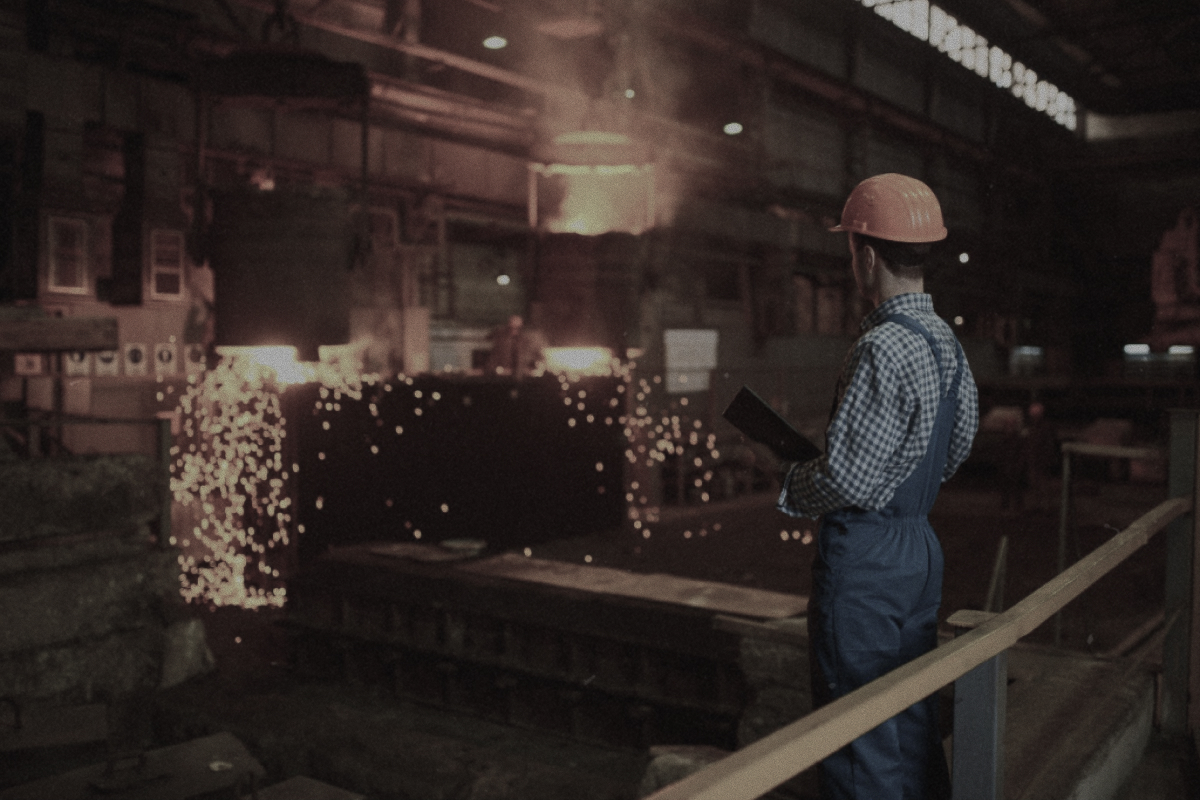
In 2026, steel consumption in the rf will decline by 8–11% year-on-year due to falling demand from the residential and commercial construction sectors.
This has already impacted production. In the first half of 2026, output of finished rolled steel in the rf fell by 6.6%, and that of steel structures – by nearly 9%. More than 70% of the country’s steel is consumed by the construction sector, so its decline directly affects steelmakers.
High interest rates, worsening terms for home mortgages, and a decline in private investment are holding back residential and commercial real estate construction. At the same time, industrial projects and plant modernization are being postponed. Weak demand in the automotive and machinery sectors is not helping the situation.
Government infrastructure contracts will partially support the steel industry, but they will not be enough to offset losses in the domestic market. Exports will not provide manufacturers with a full replacement either. Global steel production capacity is growing: from 640 million tons in 2025 to 745 million tons in 2028. China is creating additional pressure, having exported a record 131 million tons of steel in 2025 – by 153% more than in 2020.
Under these circumstances, russian manufacturers will have to compete for foreign markets on price. This will reduce the profitability of exports and prevent them from offsetting the decline in domestic demand.
The problems in the steel industry highlight a broader weakness in russia’s economy: large government expenditures – primarily on the military – do not generate sufficient demand for the civilian sector. Falling profits and cash flows will force steel companies to cut capital expenditures. Fewer orders will mean less investment, while delayed modernization will lead to weaker demand in related industries and reduced competitiveness for the companies themselves.
As a result, access to government contracts will have an increasingly significant impact on companies’ financial health. This will widen the gap between manufacturers focused on the military-industrial complex and companies dependent on the civilian market.