
russia Keeps Losing Ground in Central Asia
6/30/2026
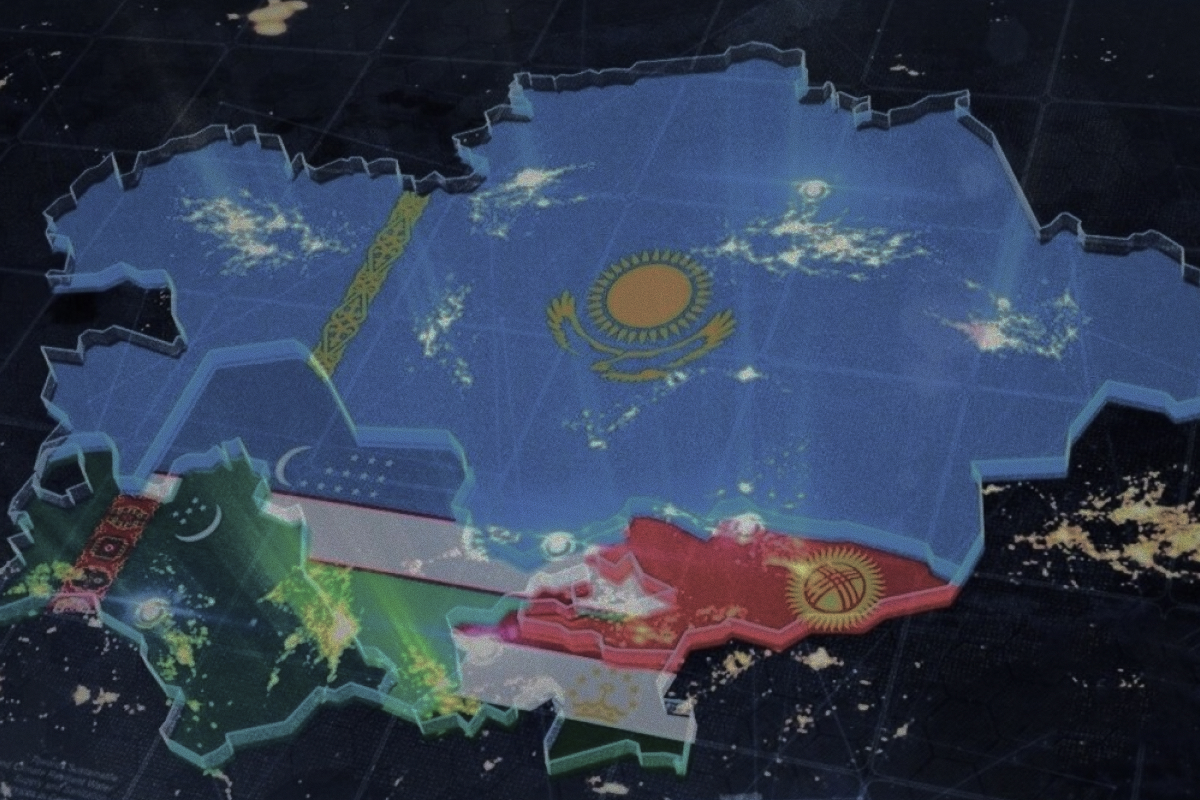
The countries of Central Asia – former soviet republics – have begun actively seeking alternatives to cooperation with russia. While this does not constitute a complete reversal in relations yet, the unreliability of a sanctioned partner with imperial ambitions and an aggressive foreign policy is forcing the region to seek support from more reliable and predictable players, particularly among Europeans.
Following a meeting between President Kassym-Jomart Tokayev and European Union leaders, Kazakhstan emphasized the leading role of Europeans in trade and investment. Separately, the parties pointed out the strategic importance of the Trans-Caspian International Transport Route and welcomed the expansion of cooperation within the framework of the European initiative Global Gateway. President of the European Council António Costa has called Kazakhstan a “key link” in ensuring transport connectivity in the region.
In late May, Kyrgyzstan announced its removal from the EU’s aviation safety “blacklist,” on which it had been since 2006. Earlier, the country signed an agreement to purchase Airbus A321neo aircraft.
Turkmenistan is actively negotiating the supply of energy resources to the EU bypassing the rf. This involves the Trans-Caspian gas pipeline. This project fits perfectly into the current US foreign policy agenda, particularly the “Trump Route”, which aims to connect Europe, the South Caucasus, and Central Asia.
At the end of last year, President of Tajikistan Emomali Rahmon replaced the rector of the russian-Tajik (Slavic) University without consulting moscow. The kremlin viewed this action as an “unfriendly move” and halted funding for the project. And this year, Tajikistan is moving toward cooperation with Ukraine: consultations were held in Dushanbe with the participation of Deputy Ministers of Foreign Affairs of both countries. The parties discussed prospects for cooperation in trade, education, science, and culture. At first glance, this appears to be a routine meeting within the framework of diplomatic services. However, until recently, Tajikistan was considered one of russia’s closest allies in Central Asia (second only to belarus).
Uzbekistan is also steadily expanding its cooperation with the EU. “The European Union is one of Uzbekistan’s key strategic partners, and cooperation with it continues to develop dynamically. Bilateral trade has nearly doubled, having increased from $3.2 billion in 2018 to $6.9 billion in 2025. An important factor in this growth was Uzbekistan’s accession to the GSP+ scheme, which significantly expanded access for Uzbek products to the EU market,” said Akbar Aliyev, Deputy Minister of Investment, Industry, and Trade of Uzbekistan, describing the bilateral relationship.
The United States and China are actively developing their business projects in Central Asia. Beijing, in particular, has over $36 billion in direct investments there. And amid all this diversity, we hear less and less about russia.
moscow is still trying to play the “great power” game in Central Asia – through selective “handouts” intended to preserve at least some influence in the post-soviet space. The latest example: the rf plans to allocate 413 million rubles to Tajikistan for the fight against drugs in 2026–2028. It sounds impressive – until you convert it to dollars – which comes out to just over 5 million. That’s exactly how much the kremlin is willing to spend to counter the Taliban’s multibillion-dollar drug industry. The outcome is predictable: moscow’s voice in the region is weakening by the day, while its “influence” increasingly resembles a ritual for domestic consumption.