
russia Losing Grain Exports: the Shutdown of Ports Will Cost moscow Billions
8/25/2026
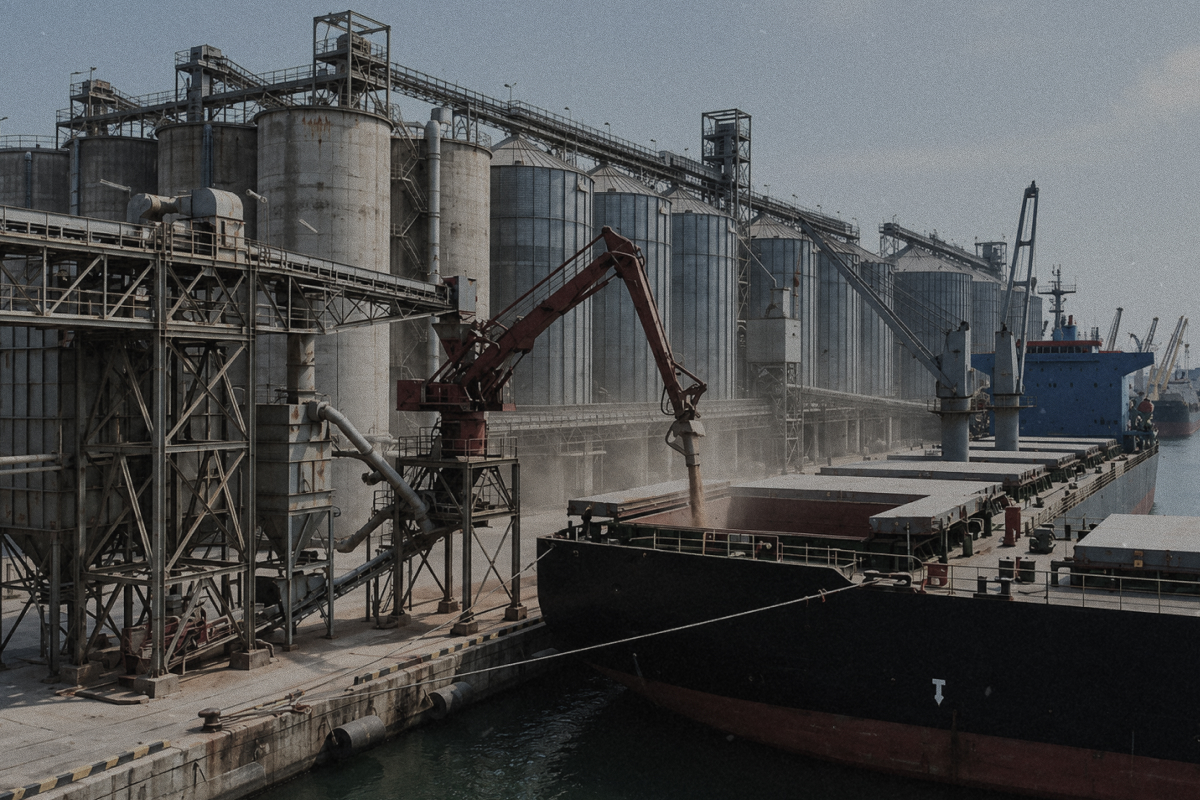
russia’s grain market is experiencing a sharp downturn. The shutdown of major terminals in the Azov-Black Sea basin – which accounts for 88% of the rf’s seaborne grain shipments – has caused a collapse in purchase prices and thwarted export plans. Over the past week, the price of fourth-grade wheat in the south fell by 19%, to 8,900–10,000 rubles per ton, and the August export forecast was reduced from 3.1 to 1.8 million tons.
The price decline has already spread beyond the southern regions: in the central part of the country, grain prices fell by about 8%, in the volga region – by 3%, and the cost of road transportation to deep-water ports dropped by 10.4%, to 12,000 rubles per ton. The 2026 harvest could reach 140 million tons, while the forecast for wheat exports in the 2026/27 season has been lowered to 44.6 million tons. This means a buildup of unsold grain at elevators, rising storage costs, and forced sales at below-market prices – especially for farms with limited storage capacity.
The rf’s positions in foreign markets are also weakening. From August 11 to 18, wheat with 12.5% protein in novorossiysk fell by $6 to $215/ ton FOB, while similar products in the Baltic region rose to $255/ ton – the gap reached $40. During this period, US SRW wheat rose to $283 per ton, Romanian one – to $268 per ton. The low price of novorossiysk grain no longer compensates for limited access to ports but only encourages importers to seek other suppliers. It is impossible to completely reroute these flows: Baltic ports can handle at most 20% of the lost volume, while the Caspian Sea region and the Far East lack the necessary infrastructure. Overland transit through Azerbaijan to Armenia is limited to just 43,000 tons.
The owners of the shut-down terminals are losing $50–70 million per month, while the financial pressure will hit indebted farms the hardest. A shortage of working capital is already threatening the purchase of seeds, fertilizers, and fuel, which could lead to a reduction in winter crop planting and a drop in next season’s harvest.
Even a partial resumption of port operations will not quickly restore previous volumes: backlogged cargo, higher insurance premiums, and shipowners’ reluctance to call at russian Black Sea ports will remain a problem for a long time to come. tuapse, which now bears the brunt of the load, is becoming a vulnerable bottleneck for the entire export system. Meanwhile, as the instability persists, foreign buyers are increasingly entering into long-term contracts with alternative suppliers. As a result, the rf may lose some of its markets permanently, even if logistics returns to normal.