
russia Runing Out of Jet Fuel: Prices Have Skyrocketed
7/1/2026
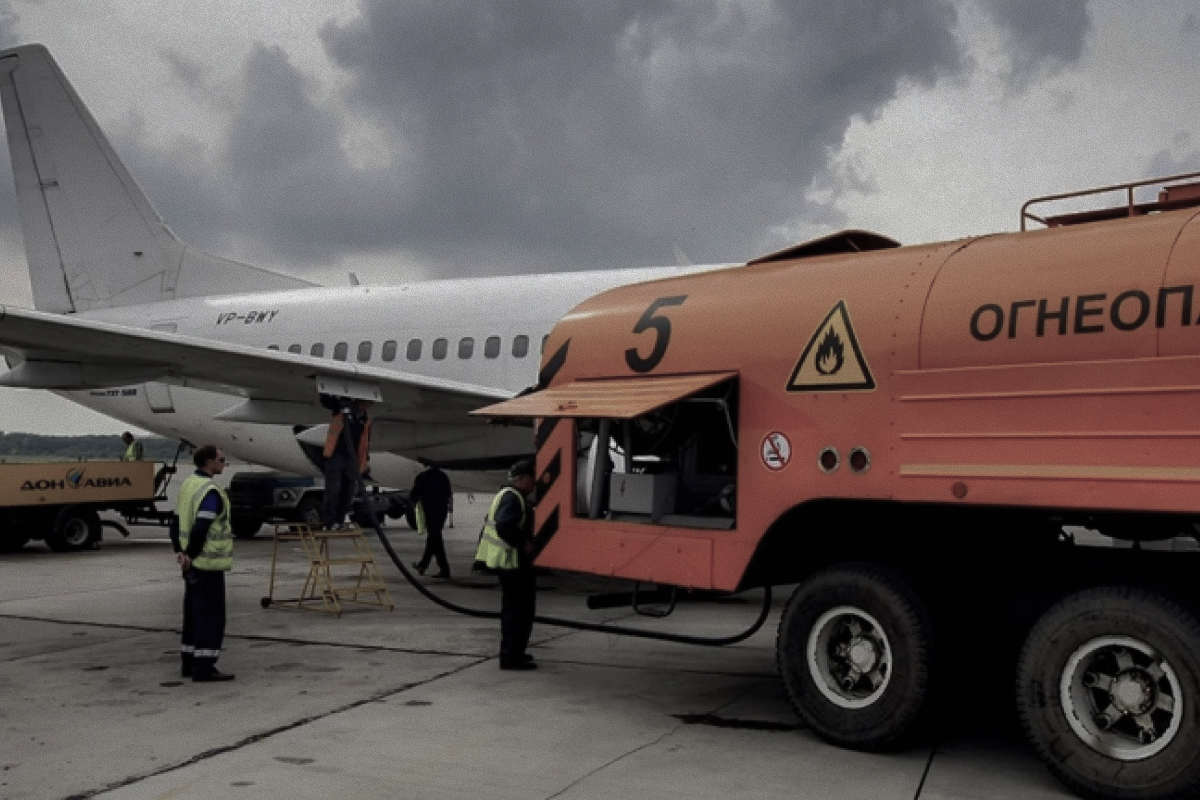
The fuel crisis in russia shows no signs of abating and is gaining momentum. The shortage of jet fuel is forcing the kremlin to urgently restructure its supply logistics, increase imports, and impose export bans.
Since early June, the average cost of jet fuel at russian airports has risen by more than 17%. In some regions, the situation is significantly worse: in makhachkala, the price jumped by 64% – to nearly $2,100 per ton, excluding VAT. Airlines have already felt the impact. In particular, “azimuth” airline has announced a reduction in fuel supplies by approximately 30% of the agreed-upon volumes.
In response, the kremlin has resorted to a series of anti-crisis measures. One of them is a rapid increase in imports. In May, russia imported 5,170 metric tons of jet fuel from belarus, which is by 300% more than last year. The pace is only accelerating: in the first ten days of June, shipments already reached 2,600 tons – more than half of May’s total volume. The import of Jet A-1fuel meeting international standards from China or Turkmenistan, to be subsequently blended with russian brands, is also being considered.
The scale of the problem becomes more apparent when compared to last year’s figures. In 2025, russia produced about 11.4 million tons of aviation fuel, of which nearly 1.4 million tons came from the moscow refinery. Before the crisis escalated, russia was a net exporter of jet fuel, supplying an average of about 30,000 barrels per day abroad – primarily to Türkiye, Kazakhstan, and Uzbekistan. Now even Astana, a traditional buyer of russian fuel, is forced to seek alternative sources due to reduced supplies from russia. This indicates that the shortage is already extending beyond the rf’s domestic market.
In parallel, the kremlin has resorted to direct restrictions. On June 1, the government of the rf imposed a temporary ban on jet fuel exports, which will remain in effect until November 30. A similar restriction on diesel fuel is also being considered in order to redirect available volumes to the domestic market.
How the situation develops will depend on how quickly moscow can replace lost domestic production volumes with external supplies. belarus is capable of partially covering the shortfall, but its resource base will (almost) certainly not allow it to fully compensate for the losses in russian refining. Importing JET A-1 from other sources will not be a quick solution either – it will require logistical adjustments, additional certification, and technical approval for blending with russian fuel brands. In other words, imports will remain merely a supplementary tool, not a lifeline.
Meanwhile, the consequences could prove to be long-term for the rf itself: traditional buyers of russian jet fuel are already looking for more reliable suppliers, and as a result, the kremlin risks losing some of the foreign markets it has built up over the years.