
russian Marketplaces Are Shifting Their Costs onto Sellers and Buyers
8/30/2026
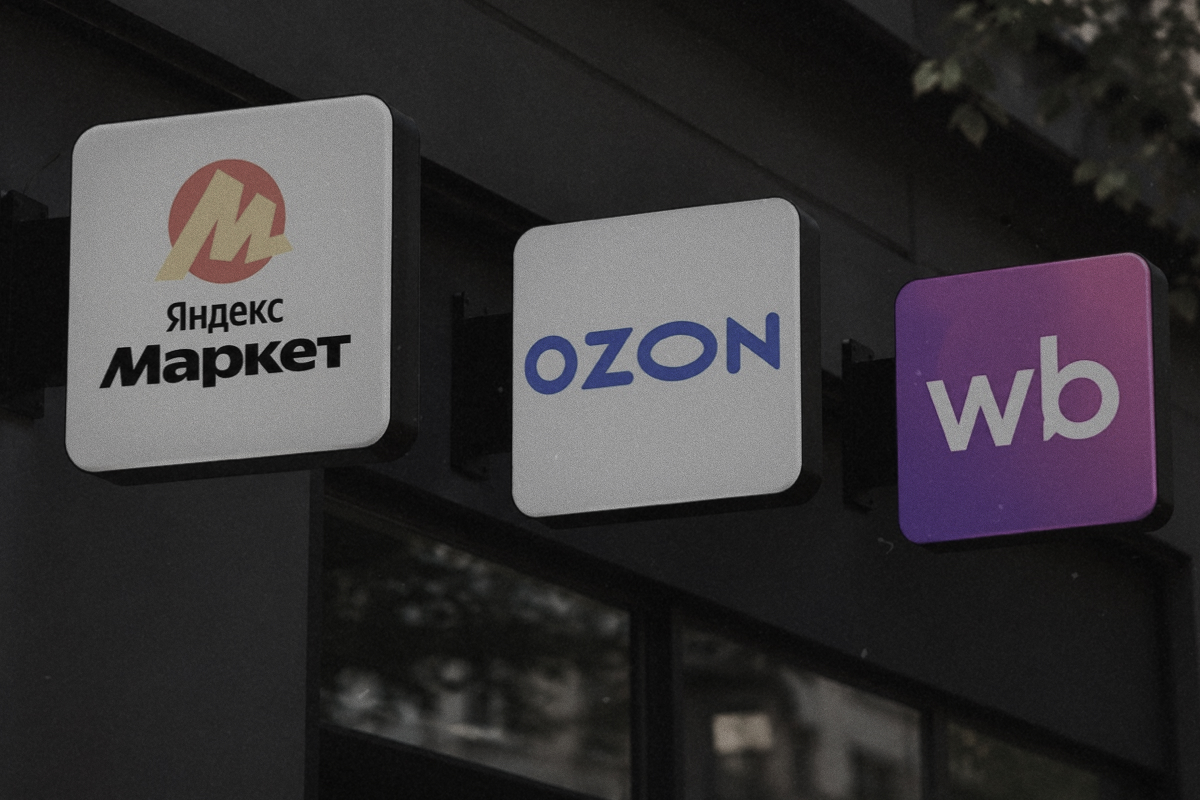
russian marketplaces have sharply increased commissions and logistics costs for sellers. On key platforms, total fees already exceed 40% of the product’s price, and in certain sales models, they reach 50% or higher.
In the second quarter of 2026, commissions and logistics fees on “ozon” accounted for an average of 47.8% of the cost of goods. For sellers operating under the FBO model, with inventory stored in the platform’s warehouses, the burden rose to 55%.
On “wildberries”, sellers’ total costs increased by 10.8% to 42.7%. On “yandex market”, costs rose by 15.2% to 40.1%.
Over the past two years, sellers’ total expenses for commissions and logistics have risen by 58–63%. Marketplaces attribute this to rising operating costs, but in reality, they are shifting an increasingly large share of their problems onto businesses. For the platforms themselves, this is a way to maintain their own margins amid russia’s weak economy.
For sellers, the consequences are already evident in their financial results. Average annual profitability has fallen from approximately 15% to 5%. In some categories, sales have already become unprofitable.
Higher commission rates and logistics costs have already impacted prices. Marketplaces are cutting back on discounts, and prices are rising. In the second quarter, the consumer price index on these platforms rose for the first time in three years. In some categories, prices rose by up to 15% over the past six months, and after discounts were scaled back, they increased by an average of about 30%.
In the second half of the year, marketplaces are preparing another round of rate hikes. Among the reasons cited are security costs and the restoration of damaged infrastructure. According to market participants’ estimates, the overall burden on sellers could increase by another 15–25% over the next year.
For small businesses, this means a simple choice: raise prices or close down, as banks, lenders, and the government continue to demand payments. Insurance has dealt an additional blow: in the first half of 2026, insurance payouts to businesses rose by about a third, and the cost of insurance is already being factored into the final price of goods.
As a result, buyers will pay more, sellers will earn less, and marketplaces will try to stay afloat at the expense of both parties.