
russian Passports Are Becoming Toxic Even in Countries “Friendly” to the rf
11/5/2026
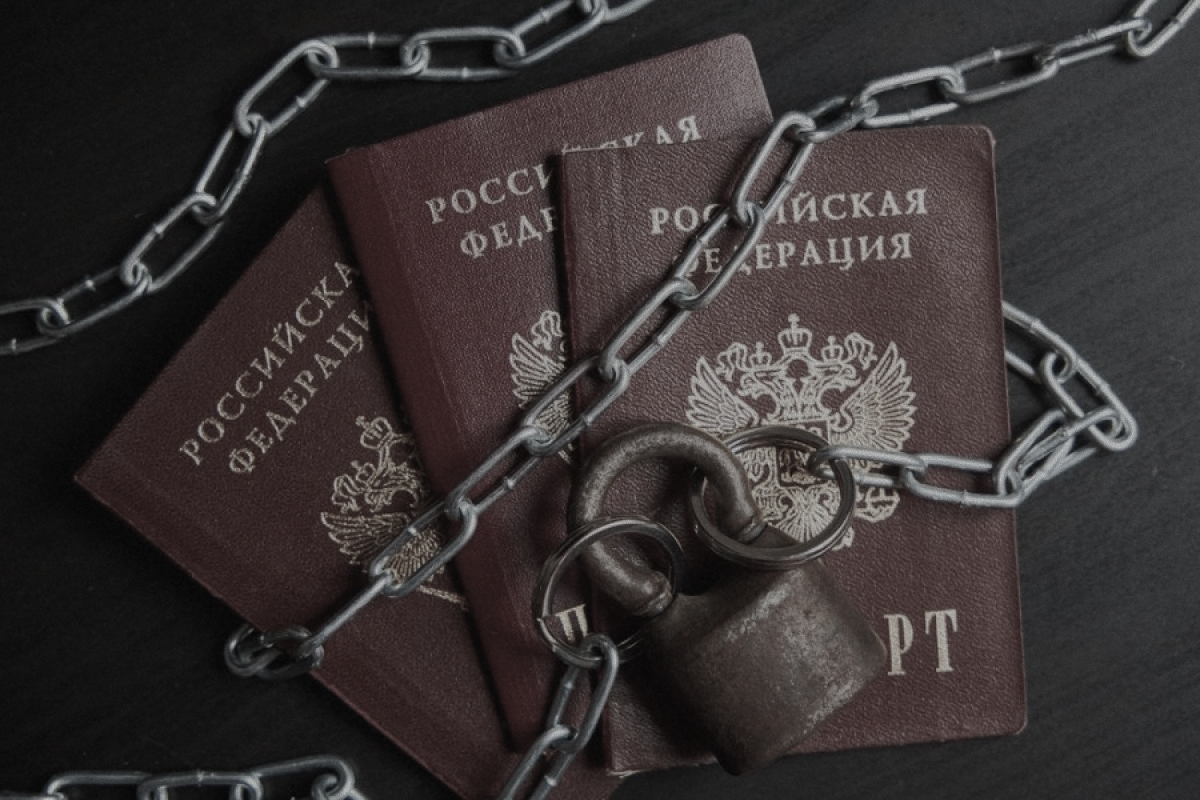
Former soviet republics are increasingly denying russians access to everyday necessities due to the risk of falling under secondary international sanctions. This applies, in particular, to the purchase of cars and real estate – the scheme commonly used by russian citizens, whereby purchases are registered under a “local friend”, is becoming inaccessible to them.
In Kazakhstan, car dealers for Skoda, Hyundai, Kia, Toyota, Volkswagen, Chery, Audi, Nissan, and Lexus are en masse turning away buyers with russian passports – the fear of losing lucrative contracts in the future due to secondary Western sanctions is outweighing other business instincts.
In Georgia, the situation is similar in the real estate market: the country’s Ministry of Justice has issued secret instructions to bankers to block large transactions involving russians without explaining the reasons.
Financial regulators in Kazakhstan, Kyrgyzstan, and Armenia are implementing an automatic system to track resales, following recommendations from Western partners. This procedure undermines a sanctions-evasion scheme favored by russians, in which the purchase of a car or commercial real estate was initially registered in the name of a local resident and then transferred to a buyer from russia. The new monitoring system will allow local banks to immediately freeze the accounts of local sellers when a “quick deal” for resale is being arranged.
Besides, banks in Kyrgyzstan, Armenia, and Georgia – under pressure from a series of anti-russian sanctions – have sharply tightened their checks as part of their AML (Anti-Money Laundering) compliance procedures. They have begun closing accounts held by russians or refusing to accept transfers from the rf, even if they are made through intermediaries not subject to sanctions.