
russians Are Tightening Their Belts, Civilian Businesses Are Seeing a Decline in Demand
11/1/2026
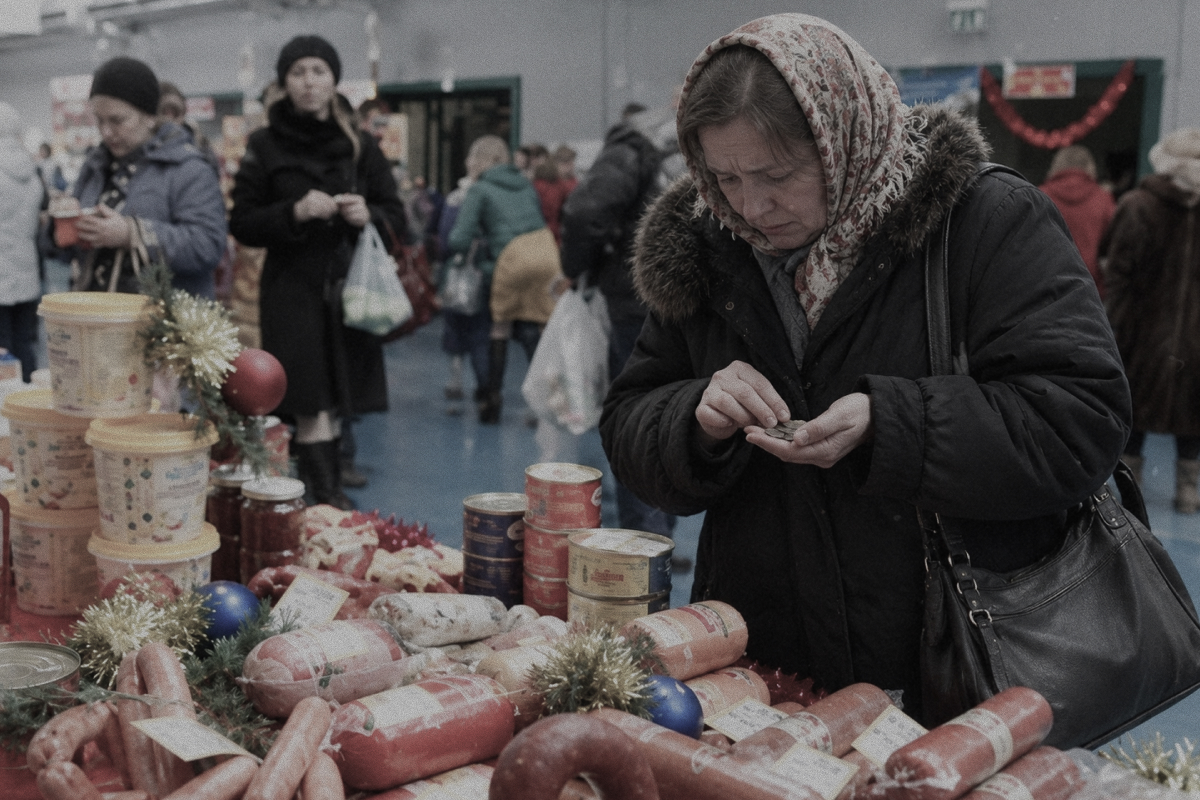
Inflation and slowing income growth are weakening consumer demand in russia. According to a forecast by the ministry of economic development of the rf, the growth in real disposable income will decline from 7.4% in 2025 to 1% in 2026.
russians are spending more money but are not buying more goods and services. During the week of October 12–18, 2026, nominal consumer spending rose by 7.2% compared with the same period last year. Adjusted for inflation, however, it actually fell by 0.03%. In the third quarter, real spending, adjusted for seasonal fluctuations, decreased by 2.2% compared to the previous quarter.
Demand is falling for durable goods and services. From October 12 through 18, spending on electronics and telecommunications equipment fell by 13.5% year-on-year, on furniture – by 6.6%, on taxis – by 6.3%, on clothing, footwear, and accessories – by 4.1%, and on sporting goods – by 2.7%. russians are postponing major purchases and saving on discretionary spending.
The cost of everyday services is also forcing people to save. In August–September 2026, residents of central regions of the rf visited beauty salons, auto repair shops, and restaurants less frequently, opting for cheaper alternatives. In moscow and moscow region, people switched to budget-friendly establishments and ready-to-eat meals from shops. In the northwestern part of the country, sales of new cars, household goods, and cosmetics declined.
Most russians do not feel that their financial situation has improved. According to a survey by the public opinion foundation, only 6% of respondents reported an improvement in their situation over the past two to three months. Another 25% reported a deterioration, while 68% noticed no change. The latter figure has remained at 66–68% for the past few years, indicating prolonged stagnation in the incomes of the majority of the population.
Weak consumer demand limits the ability of civilian sectors to support the economy. Under such circumstances, companies may cut back on investments and postpone production expansion. This will hinder job creation and income growth, and russia’s economy will become increasingly dependent on government contracts – first of all, military ones.