
russians Risk Being Left Without Public Transportation: Fuel Crisis Weighs on the rf
7/2/2026
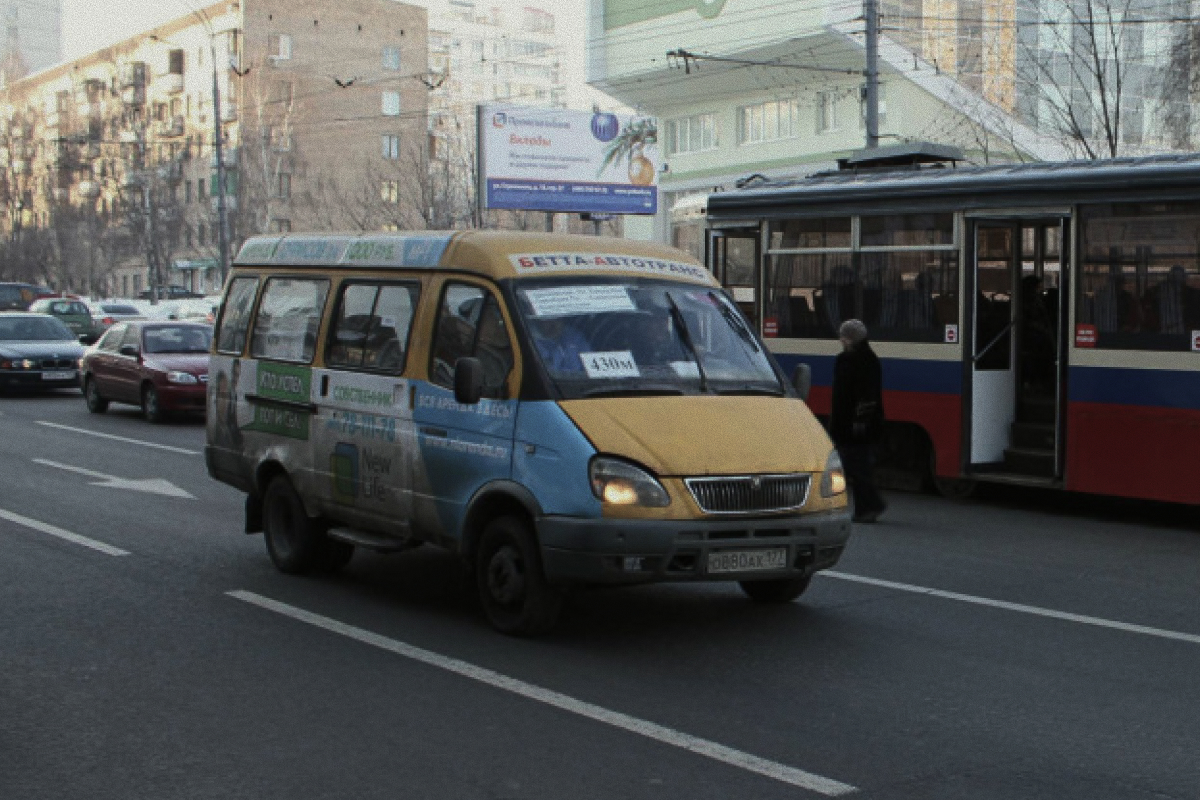
Amid a fuel crisis that has already led to restrictions on fuel sales in dozens of regions, a massive systemic problem has come to light in russia – the critical vulnerability of urban transportation. If the shortage of petroleum products spreads to public transportation, the aggressor nation risks coming to a standstill, as the vast majority of its cities are critically dependent on buses.
Eco-friendly, fuel-independent electric transportation is available in only 111 of russia’s 1,117 cities. Nearly half the population (42%) lives in areas where there are no trolleybuses or trams. In 26 regions of the rf, there is no alternative to petrol-powered means of transport at all.
Even where electric transport exists, its presence is purely nominal. Only four cities – moscow, st. petersburg, nizhny novgorod, and samara – have all four types of electric public transport: trams, trolleybuses, metro (underground railway – Transl.) and electric buses. However, the situation there is precarious: in samara, for example, only one electric bus operates on the line, while in tyumen, the one and only electric bus regularly breaks down during cold spells. The highest share of electric transport in the fleet is recorded in izhevsk (53%), while in makhachkala, nalchik, astrakhan, and sochi, it stands at 1%.
Over the past ten years, the total length of tram tracks in russia has decreased by 8%, while the length of trolleybus lines has fallen by as much as 17%. While the civilized world is switching to green energy, russia has dismantled hundreds of kilometers of rail networks. The consequences of international sanctions and the reorientation of the economy toward military priorities have deprived the regions of the opportunity to modernize their rolling stock. All so-called progress in the rf is purely for show, designed to create a propaganda image.
A striking confirmation of this is the colossal disparity between the capital and the regions. The bulk of passenger traffic is carried by the metro, which exists in only seven cities. At this, moscow has 275 stations – more than all other cities combined – while yekaterinburg has only 9. The situation is the same with electric buses: nearly 90% of the entire russian fleet is concentrated in moscow (2,745 units).
These statistics clearly illustrate the profound decline of the russian provinces, from which the kremlin is merely draining resources and human potential to wage war. Further military operations and international isolation will only deepen this collapse.