
russia’s Cash-Based Economy Is Expanding Amid a Crisis of Confidence in Banks
6/29/2026
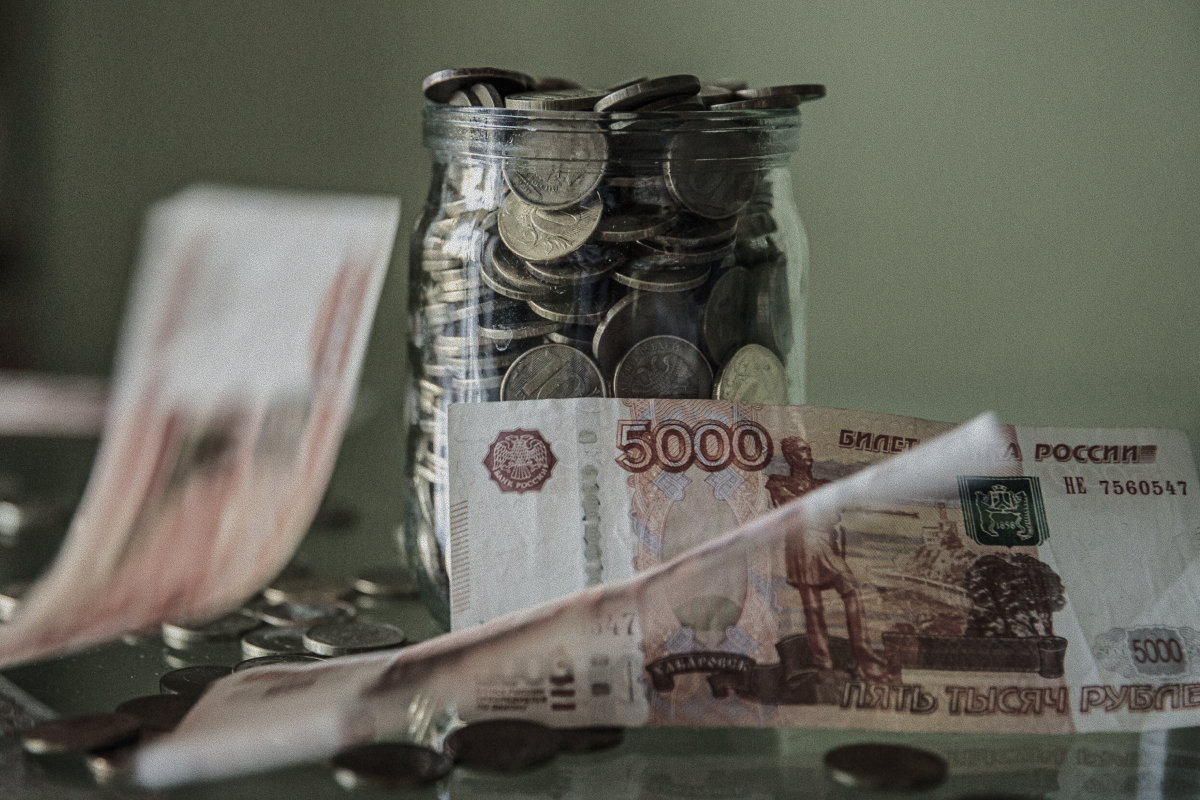
The financial system of the rf is showing signs of instability that are difficult to conceal behind the central bank’s upbeat statements about the sector’s stability. Citizens are returning en masse to cash payments, giving up bank cards and non-cash transactions, and this trend is gaining momentum faster than officials are willing to admit.
In April and May, the share of purchases paid for in cash rose to 30.2%. The central bank of the rf reported that in April, the amount of cash held by the public increased by 14% year-on-year, having reached $275.9 billion, or 20 trillion rubles. russians most often use cash to pay for repair services, purchase automotive goods, and for hotel and transportation services. The reasons are straightforward: disruptions in mobile communications and internet access have become commonplace, and small businesses in russia are trying by all means to reduce acquiring costs and avoid part of the tax burden.
In parallel, major banks of the rf have begun cutting credit limits on cards. Formally, this is explained by the central bank’s stricter reserve requirements, but the real picture is simpler: the banking sector’s profitability is declining, interest rate policy is tightening, and lending activity is slowing down overall. russian bankers prefer to play it safe in advance.
The outflow of savings from deposits into cash is putting additional pressure on the liquidity of credit institutions. Banks are forced to take a more cautious approach to lending to households and businesses, which, given the already weak economic momentum, only exacerbates the overall slowdown in the credit market.
In the near future, the rf’s banking system will face a further decline in lending activity, increased regulatory pressure, and the need to seek additional resources to maintain liquidity. This will limit banks’ ability to finance households and businesses – especially in segments with high credit risk—and push financial institutions toward even stricter internal lending policies. The economy of the rf is, in fact, preparing to operate within a very narrow financial corridor.