
russia’s “Global Leadership” Exists Mainly in the kremlin’s Statements
9/19/2026
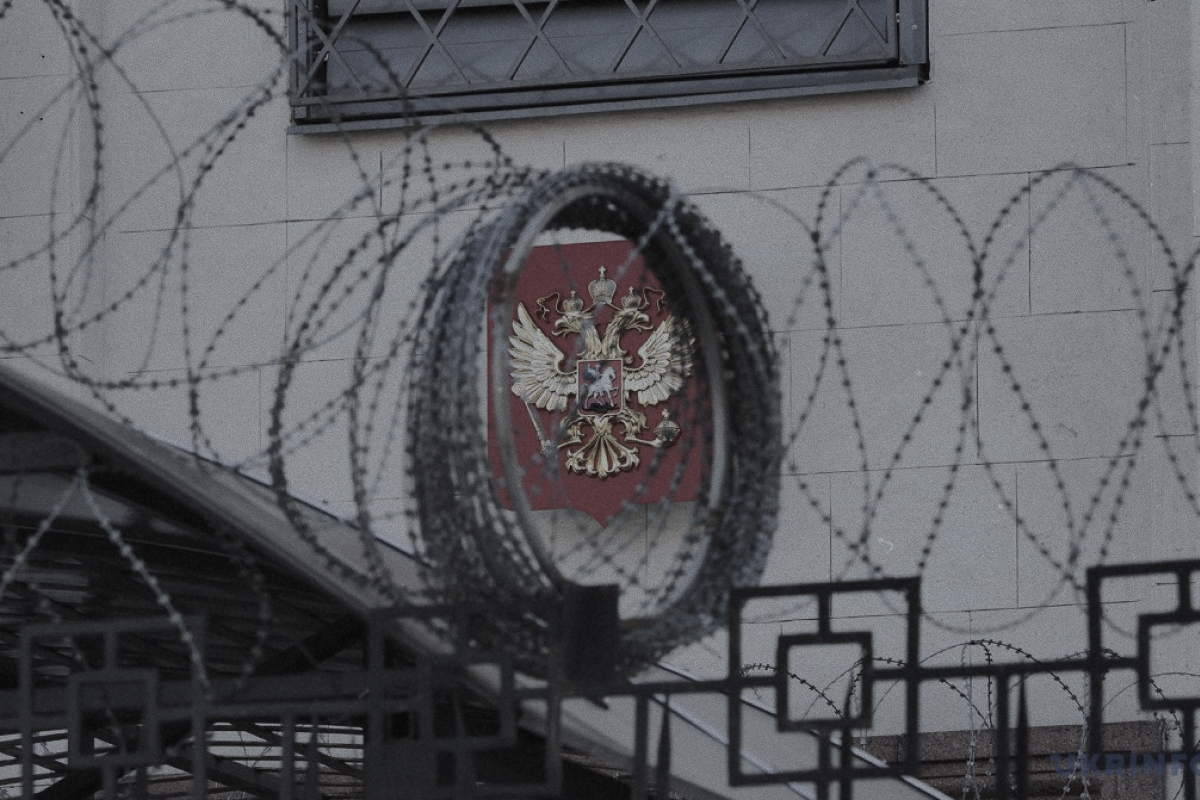
russia is trying to sell the world the image of a great power without which it is supposedly impossible to resolve international problems. However, the results of a survey conducted in July–August 2026 in 34 countries, commissioned by the Rockefeller Foundation, paint a different picture.
Only 26% of those surveyed are willing to view russia’s leading role in world affairs positively. Half of the respondents view such leadership negatively. In developed countries, support for russia’s role stands at just 13%.
Even worse for moscow is that a significant portion of the world perceives russia not as a leader, but as a threat. On average, 42% of respondents described russia as a serious threat to their own country. In Poland, that figure is 78%; in Norway and Sweden – 73% in each; in the United Kingdom – 67%; and in France and Germany – 64% in each.
Particularly telling is the gap between Europe’s perception of russia and russia’s self-image. For years, the kremlin has been trying to project an image of russia as a state that sets the rules of international politics. In contrast, much of Europe views it primarily as a source of military threat.
russian propaganda has traditionally sought to compensate for its isolation in the West by touting support from countries in the Global South. But even there, the reality is far from the kremlin’s narrative. In developing countries, only 40% of respondents are willing to view russia’s leading role positively. In other words, even there, moscow does not have a majority in support of its claims to global leadership.
The kremlin can call russia a “center of power” as much as it likes and claim to be shaping a new world order. Outside the russian propaganda bubble, these ambitions have little public support. For much of the world, russia is neither a model of development nor a desirable global leader, but rather a state from which threats and conflicts are expected.