
russia’s “Soft Power” Shattering Against the Arctic Ice
7/16/2026
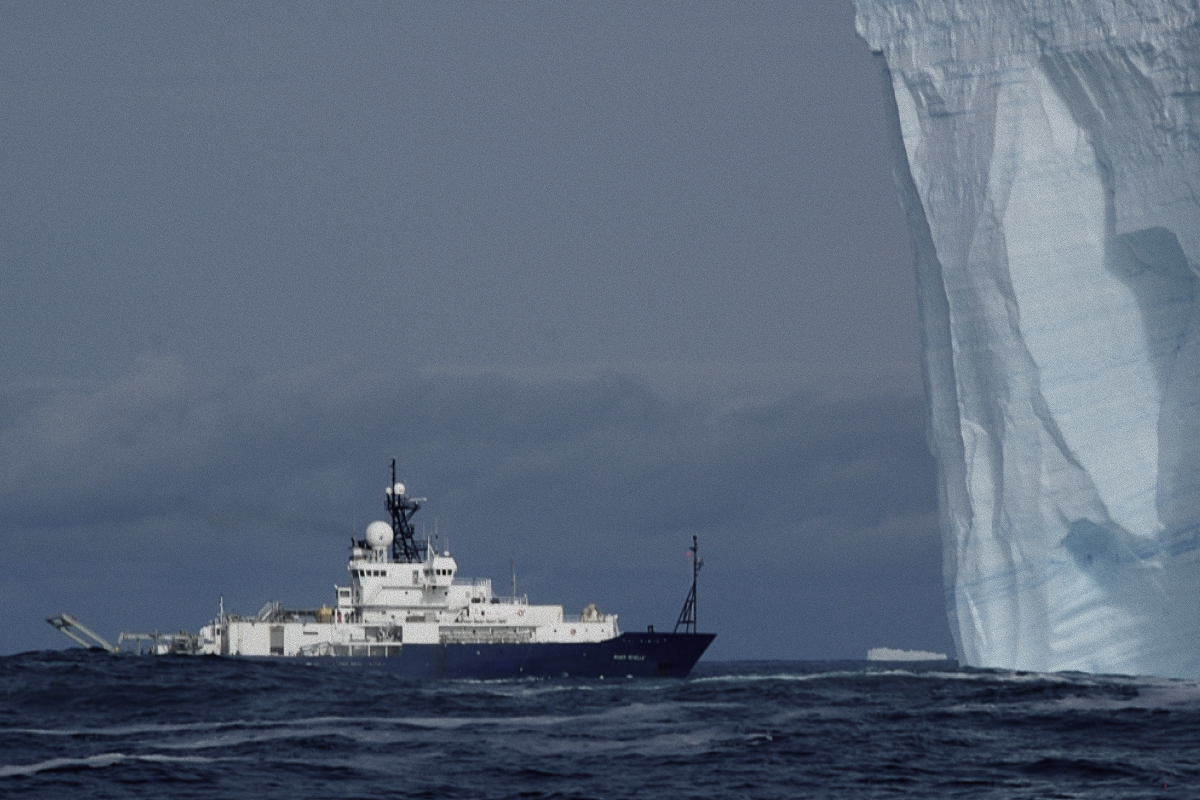
russia’s plans to expand its presence on Svalbard by increasing tourist traffic, as always, are turning into yet another round of empty statements from kremlin officials. moscow simply has no vessels to transport those tourists. ceo of the “arktikugol” trust ildar neverov has stated this openly. According to him, russia is catastrophically short of ice-class passenger ships to implement this strategy.
Last year, deputy prime minister of the rf and plenipotentiary representative of the president of the rf in the far eastern federal district yuriy trutnev announced plans to develop infrastructure on the archipelago. The official announced the creation of an international scientific and educational center and promised an annual influx of 50,000 tourists by 2040. As is customary, the discussion then turned to large-scale infrastructure reconstruction and the development of new tourist routes. However, today all of this remains either in a state of disrepair or exists solely on paper.
The kremlin’s desire to pass off wishful thinking as reality no longer surprises anyone. What is striking, however, is the complete disregard for basic analysis and calculations. “arktikugol” itself acknowledges that there has long been a shortage of vessels suitable for operating in high latitudes, but with the start of the full-scale invasion and the imposition of international sanctions, the situation has worsened.
As a result, tourists are currently being offered whatever options are available: from cargo and research vessels to small craft and yachts that are theoretically capable of operating during the navigation season. Passenger vessels that meet the requirements of the “Polar Code”, however, are virtually nonexistent in the russian civilian fleet.
Air routes also remain off-limits due to visa restrictions and sanctions. As a result, russian tourists are in no hurry to visit the northern territories. Thus, the kremlin’s plans to expand its presence in Norwegian territories remain completely unviable due to a lack of equipment, non-existence of technology, and a total inability to manage such operations.