
SCO Summit Concludes with Declarations but No Economic Breakthrough
9/4/2026
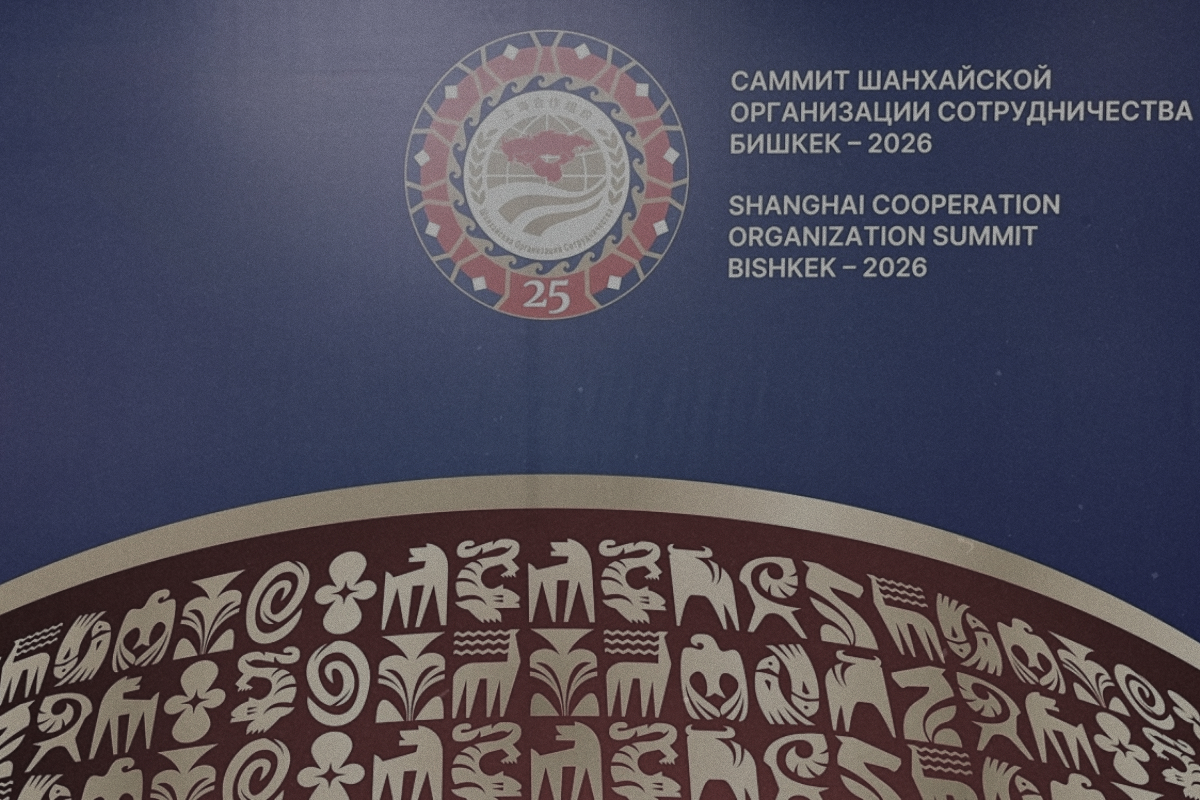
The 26th meeting of the Council of Heads of State of the Shanghai Cooperation Organization (SCO) took place in Bishkek. Following a meeting of leaders in a narrow format, negotiations continued in the “SCO Plus” format with the participation of partner states and international organizations. The main topic was the role of the UN in shaping a just world order.
Apart from SCO members, the meeting was attended by the leaders of Mongolia, Türkiye, Azerbaijan, Armenia, Sri Lanka, Cambodia, and Nepal; the UN Secretary-General; as well as representatives of the CIS, the Eurasian Economic Union (EAEU), and the Collective Security Treaty Organization (CSTO).
Following the summit, 28 documents were signed. Among them – the Bishkek Declaration, which calls for the condemnation of unilateral sanctions not approved by the UN Security Council, the expansion of settlements in national currencies, the development of independent payment platforms, and the promotion of China’s “Belt and Road” initiative.
Since 2018, India has not supported the provisions of the SCO’s final documents regarding the “Belt and Road” initiative, as the China-Pakistan Economic Corridor passes through the Pakistan-controlled part of disputed Kashmir.
Another document calls for reforming the SCO’s internal mechanisms, granting English the status of a third working language, and expanding the powers of the Secretary-General. A separate agreement was reached to establish a unified security analysis and coordination center in Bishkek, based on the reformed SCO Regional Anti-Terrorism Structure.
At the same time, the summit revealed the Organization’s limited ability to move from political statements to genuine economic integration. The lack of agreements regarding the Development Bank indicates the SCO members’ reluctance to create joint financial mechanisms, while India and Pakistan’s refusal to engage in bilateral talks confirmed the persistence of serious disagreements within the Organization.
Under such circumstances, the SCO continues to serve as a platform for ad hoc coordination of positions and bilateral contacts, rather than a fully-fledged economic bloc.