
The EU Is Restructuring Defence Funding in Its New Budget for 2028–2034
9/22/2026
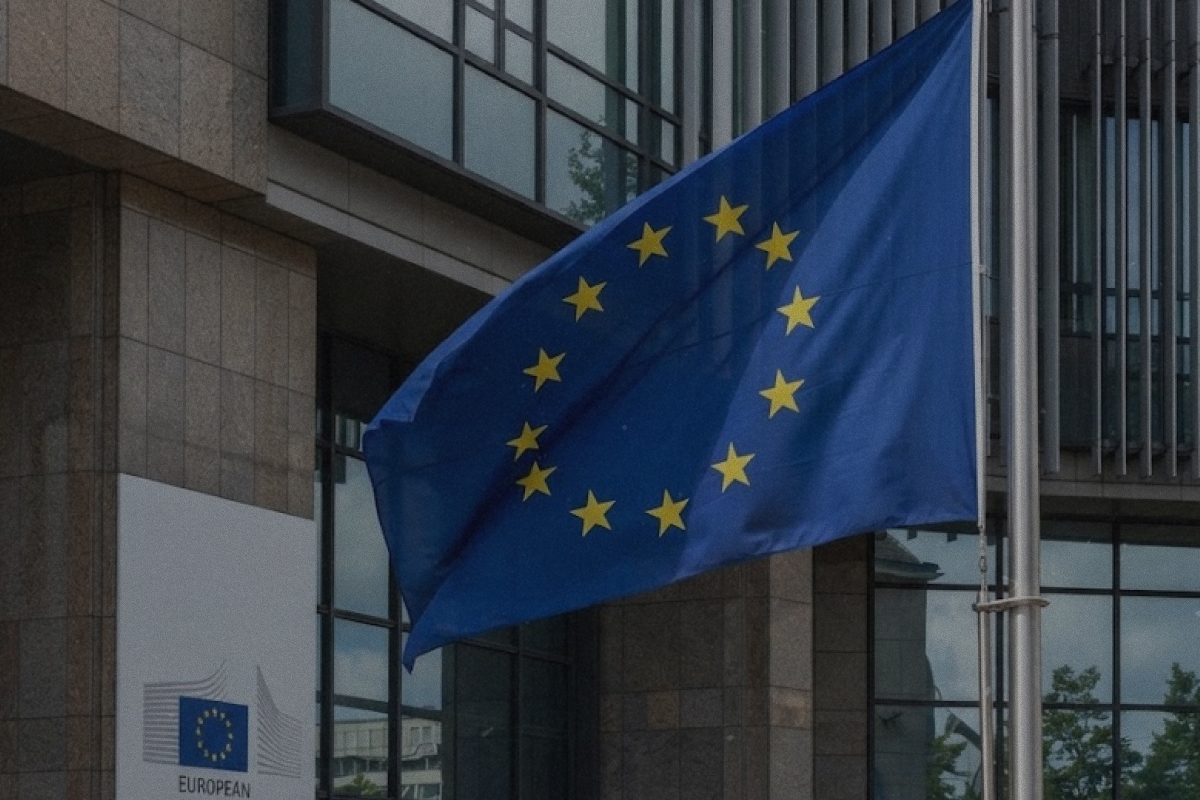
The proposed EU Multiannual Financial Framework (MFF) for 2028–2034 provides for a significant increase in defence-related spending. The European Commission is also proposing to consolidate some of the existing programs into larger and more flexible financial instruments.
The Bruegel think tank (Belgium) has analyzed the proposed model and compared it with the 2021–2027 EU budget.
The main defence expenditure is planned to be concentrated in three areas.
The European Competitiveness Fund (ECF) – EUR 115.7 billion in 2025 prices for the “Resilience and Security, Defence Industry and Space”. This accounts for 56% of the fund’s total budget. The funds are intended to support innovation – from research and development to mass production and bringing products to market.
Military mobility under the Connecting Europe Facility (CEF) – EUR 15.8 billion, or about 22 % of its total budget of EUR 72.3 billion. Funding is intended for the modernization of dual-use transport infrastructure – roads, bridges, tunnels and flyovers – to facilitate the movement of heavy military equipment.
Horizon Europe – of the program’s total budget of EUR 154.9 billion, about 4% is earmarked for joint research and innovation in resilience, security, the defence industry and space.
Bruegel specifically highlights a change in the approach to the allocation of funds. Whilst defence programs under the current MFF have separate objectives and defined funding levels, the new model will allow the European Commission to reallocate ECF funds between priorities whilst the budget is being implemented. This should give the EU greater flexibility to respond to changes in the security and industrial sectors.
The proposed MFF also provides for other support mechanisms – through national and regional partnership plans, joint procurement, the development of defence production, cyber security and dual-use technologies. At the same time, part of the military aid is funded through the European Peace Facility, which is not part of the EU budget.
The proposed model signals the EU’s shift from funding individual defence programs to developing a common industrial and technological base for European defence.