
The kremlin Cannot Replace Grain Exports Via the Black Sea
10/5/2026
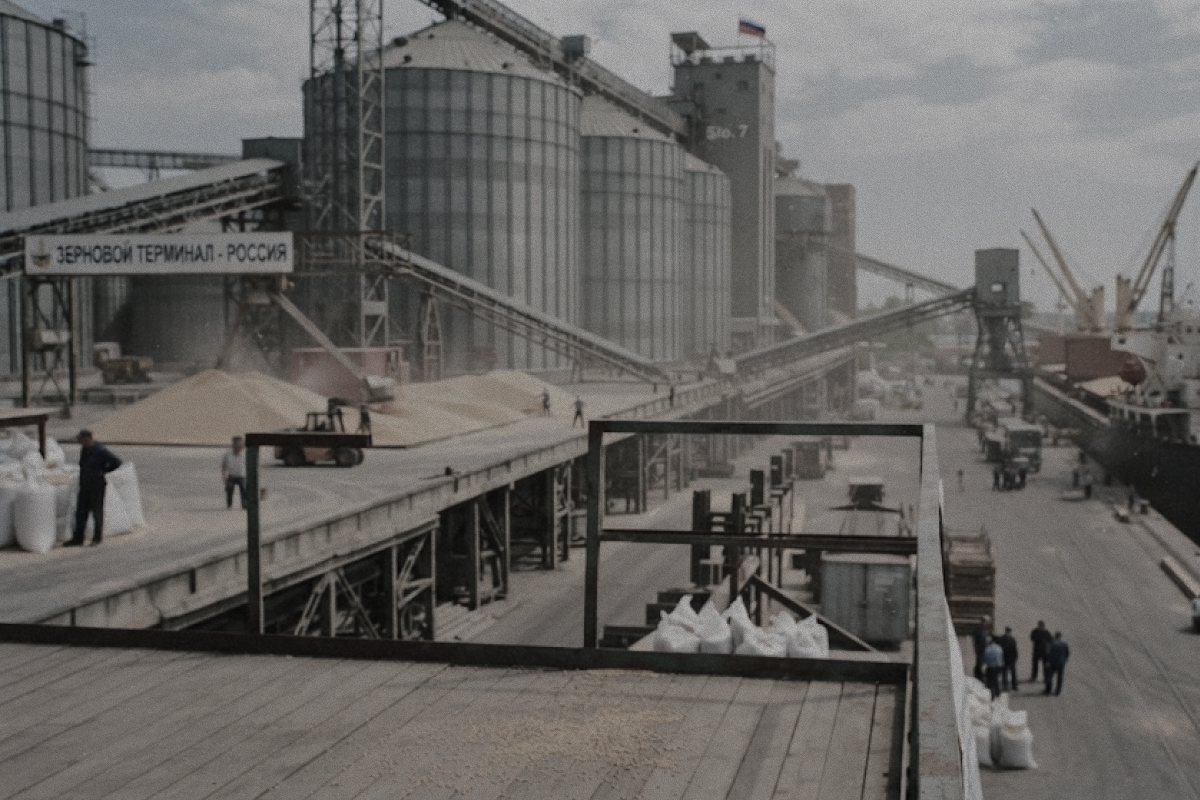
russia is seeking new routes for grain following a sharp collapse in exports via the Black Sea. In the second ten-day period of September, russia shipped only 347,000 tons of wheat, compared to 1.3 million tons during the same period in 2025. A total of 72,500 tons passed through novorossiysk, compared to 696,000 tons a year earlier.
moscow is trying to reroute some of the cargo to the Baltic Sea, northern ports, and the Far East. The “ultramar” terminal in ust-luga has begun receiving grain. In September, requests for railway delivery through this terminal totaled about 260,000 tons. Even at maximum capacity, this route can handle about 500,000 tons per month. russia’s southern ports, meanwhile, have an annual capacity of over 60 million tons. Last year, nearly 90% of russia’s seaborne grain exports passed through them.
russia is also attempting to export grain via murmansk. “russian railways” (rzd) has approved the first shipment – 40,000 tons from the stavropol territory. The port is suitable for large vessels and operates year-round, but the distance from the main grain-producing regions makes the route too expensive. The additional costs are estimated at $18–25 per ton ($720,000–$1 million for a shipment of 40,000 tons).
In the east, russia is increasing shipments via China. The volume of the “new land grain corridor” has risen from 2.3 million tons in 2024 to 5.8 million tons in 2025. About 9 million tons are expected in 2026. But there are also significant constraints here: railway infrastructure, terminal capacity, tariffs, phytosanitary requirements – in particular, the lack of a phytosanitary protocol for russian winter wheat – and Chinese quotas.
russia cannot quickly create a replacement for the Black Sea system. This would require railways, grain elevators, transshipment facilities, insurance, ships, and regular buyers. There are clearly not enough such capabilities in the Baltic region or in murmansk. The Chinese route also has its own limitations. russia can distribute part of its grain via other routes. But it is not possible to build a new system of the same scale from them.