
The kremlin Has Forced russians to Pay for the War and Has Failed at Import Substitution
10/1/2026
russia’s authorities are seeking money for the war and to sustain unprofitable projects at the expense of the population and businesses. The costs of protecting businesses from drones, repairing damaged facilities, and supporting industry are being passed on to consumers through taxes, tariffs and prices.
Grid electricity suppliers are seeking permission to include the costs of countering drones, security, and restoring damaged infrastructure in electricity transmission rates for businesses. And although the federal antimonopoly service promises not to raise rates for residential customers, businesses will factor these additional costs into the price of their products.
The ministry of finance of the rf is also preparing tax changes that will allow companies to account for the costs of protecting facilities from drones and repairing them. Ultimately, consumers of goods and services will have to foot the bill.
Air travelers are next in line. russian authorities plan to introduce a fee of 500 rubles for domestic flights and 1,000 rubles for international flights. The funds will be used to lease and operate new russian aircraft. They plan to collect 200–250 billion rubles between 2027 and 2030.
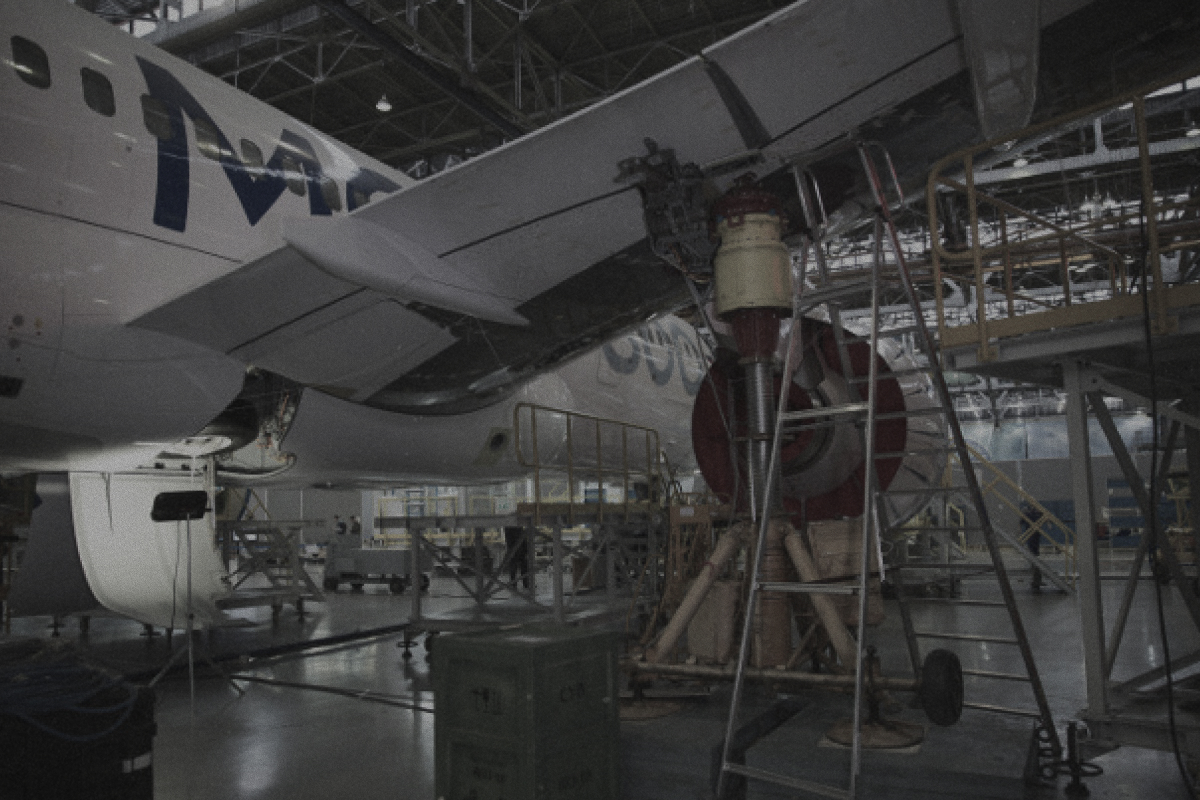
The main problem is the MC-21 – a russian passenger aircraft being developed to replace Western models. Its certification has been postponed yet again – this time to 2027 – and development costs have already tripled. In terms of costs, the MC-21 has significantly surpassed its Western counterparts, even though it has yet to carry passengers.
Neither the government budget nor the airlines can fund this project on their own. Therefore, the kremlin wants to collect money from passengers even before the planes enter full-scale service. Higher ticket prices, however, will deter some customers.
russia’s government has spent enormous sums on import substitution, but instead of a competitive aircraft, it has ended up with delays, a threefold increase in development costs, and a new tax for citizens. Now, those who simply want to travel from one city to another will have to pay for this failure.