
The kremlin Has Refused to Help the Paralyzed Ports in the South of russia
11/9/2026
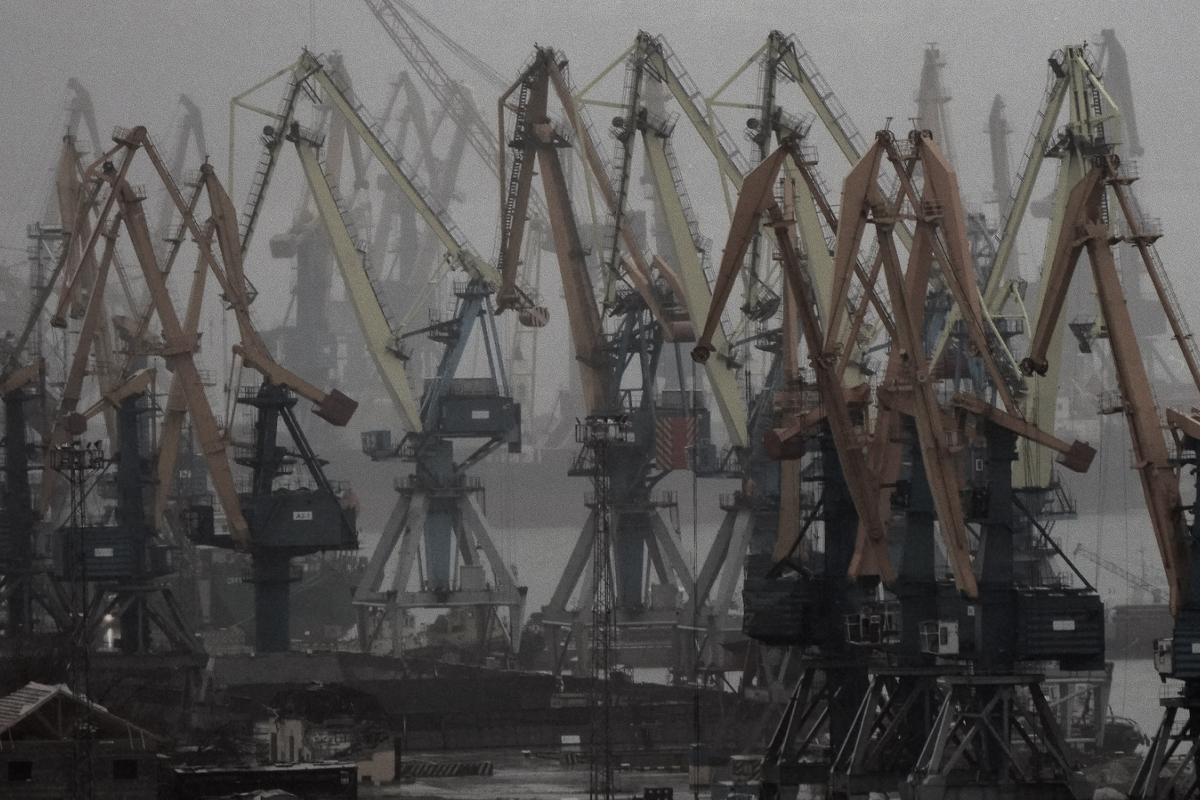
russia’s problems in the port sector are worsening due to the deteriorating security situation in the Azov-Black Sea basin amid the war against Ukraine. Freight traffic through southern ports has nearly come to a standstill, while a significant portion of the cargo flows has been redirected to northwestern routes. In September, transshipment volumes at some southern terminals fell by 95–100%.
The situation has become particularly dire for exports of grain and agricultural products, which traditionally accounted for a significant portion of the cargo traffic at southern ports. In July–August, transshipment volumes of these goods more than halved – from 7.9 million to 3.8 million tons compared to the same period last year.
Amid the crisis, regional authorities and representatives of the port industry have been unsuccessfully appealing to the federal government for large-scale financial support – including subsidies for employee salaries (some of whom have already lost their jobs or been placed on reduced schedules), compensation for equipment maintenance costs, preferential loans, deferrals of taxes and rent payments, as well as increased insurance coverage for war risks.
The russian authorities’ unwillingness to assist businesses reflects their reluctance to shoulder additional costs amid the strain the war is placing on the budget. Compensating for the labor costs of port workers alone could cost the federal budget 6.6–8 billion rubles per year.
The situation is no better with other forms of assistance. The ministry of finance of the rf has stated that it cannot administratively determine the terms for reinsuring war risks, and that deferrals of rent payments for federal property may be granted on a paid basis – at a rate equal to the key rate plus 5.18% per annum. In other words, russia’s businesses that have lost the ability to operate normally due to security risks will also face additional costs.
The war against Ukraine is creating for russia not only direct costs for reconstruction but also massive indirect losses – ranging from halted exports to the deterioration of enterprises that the state has turned its back on.