
The kremlin Is Preparing for Elections It Fears More than Sanctions
7/23/2026
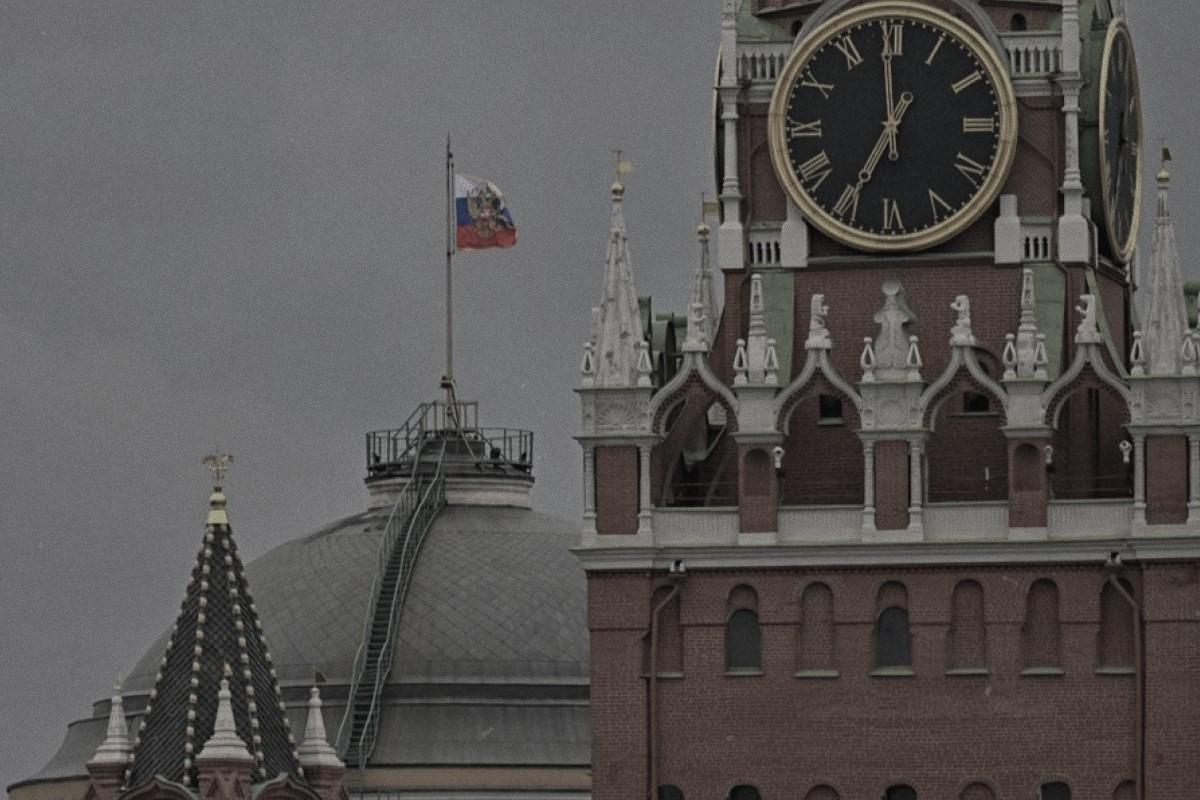
It is becoming increasingly difficult for the kremlin to hide the public’s war fatigue. Even government-controlled polls show that only 15–24% of russians support continuing the fighting, while 64–67% support peace negotiations. Taking into consideration the atmosphere of fear in the country, the actual level of support for the war may be even lower. Ahead of the September state duma elections, this creates additional risks for the authorities – risks that even a rigged electoral system cannot fully eliminate.
Formally, russian voters have a choice, but political competition has been eliminated. Only candidates loyal to the regime are allowed to run. The arrest of boris nadezhdin, who in 2024 attempted to position himself as an opponent of the war, was telling. Although he posed no real threat to the authorities, he was removed from the current campaign as well. This indicates that the kremlin fears not individual politicians, but any possibility of channeling public discontent into the political process.
For the kremlin, the absence of obvious protest leaders is more of a problem than an advantage. A leader can be discredited, arrested, or barred from the election. Without such a leader, the authorities do not know where the next hotbed of discontent will emerge. Therefore, repression becomes a preventive measure.
Disagreements are also emerging within the elite. Some members of putin’s inner circle are calling for a way out of the war before the economic and political losses become irreversible. The central bank acknowledges that financial stability is incompatible with the ongoing financing of the war, while oligarchs are establishing separate channels of communication with Ukraine.
Problems are also mounting within the state system itself. russian oil refineries are regularly coming under attack, the navy is suffering losses, and the temporarily occupied Crimea is becoming an increasingly isolated territory following a series of attacks. Against this background, Beijing is preparing for a scenario in which russia’s future will no longer be tied to putin. There are two months left until the election, and there are no signs that the situation is stabilizing.
The situation resembles that of belarus in 2020. At that time, the regime faced mass protests that began as peaceful demonstrations. In russia, the source of instability may no longer be civilian activists, but rather hundreds of thousands of war veterans. Many of them have not received the promised benefits, jobs, or social status. If their disappointment coincides with widespread discontent in the country, the September 2026 elections may not be just another formality for the kremlin, but rather the moment when an internal crisis turns into a storm.