
The kremlin Is Preparing to Centralize Control of the Internet Under the Supervision of Security Services
10/31/2026
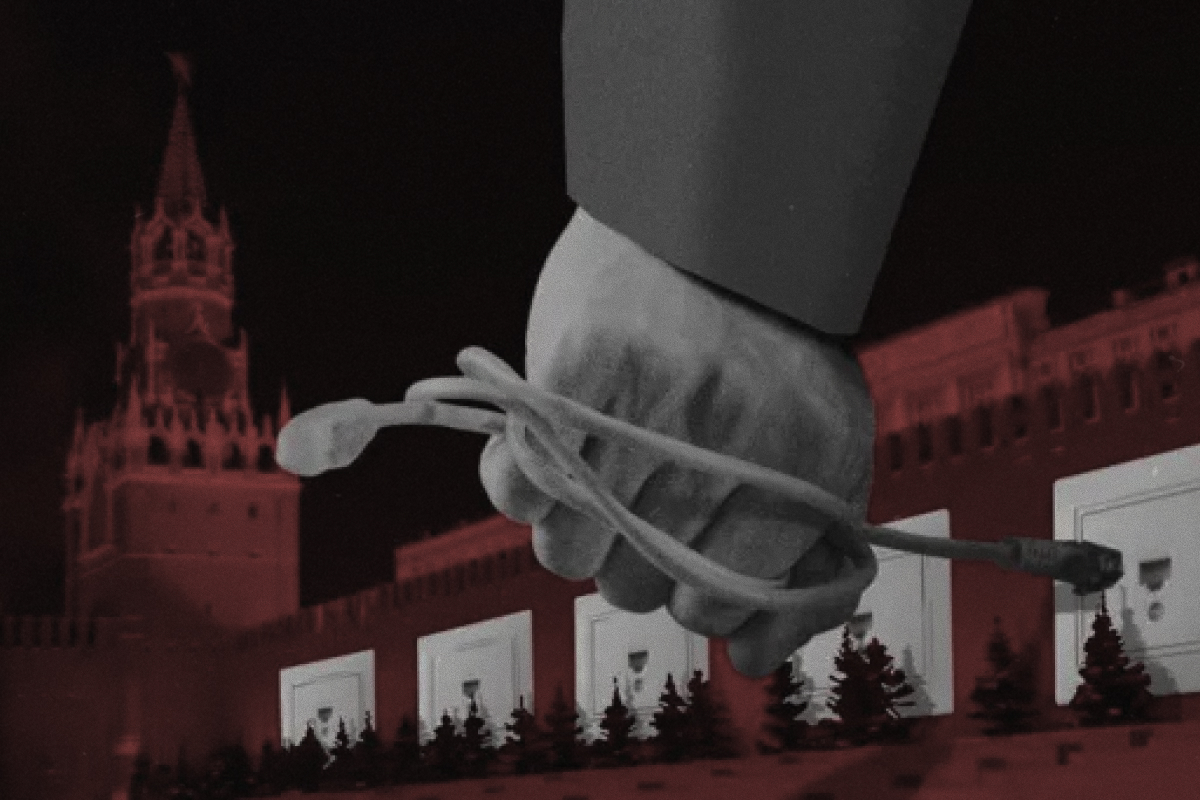
The ministry of digital development, communications, and mass media of the rf is drafting amendments to the law “On Communications”. These amendments will allow the networks and subscriber bases of providers that have ceased operations or lost their licenses to be transferred to the temporary management of major operators. The official explanation is to maintain connectivity for users. In reality, this is a new mechanism for market redistribution.
Previously, major operators acquired local networks and subscriber bases mainly by purchasing small providers. Now, a state interagency commission will determine which operators will receive the infrastructure and customer contracts. This will not even require a court ruling.
Simultaneously, the authorities are tightening requirements for market participants. The ministry of digital development of the rf proposes issuing licenses only to legal entities, increasing the minimum authorized capital, and raising mandatory annual fees. Sole proprietors will have to establish legal entities, while small companies will have to spend more money to comply with the new requirements. For most providers, this could make continuing operations unprofitable.
“rostelecom” has already offered local providers the opportunity to transfer subscriber services to it. Small companies will be able to maintain communication lines and attract customers in exchange for compensation, but they will provide services under the state operator’s brand. In fact, they will become its contractors, losing their independence in dealing with subscribers.
The reform will also simplify state control over the internet. The ministry of digital development of the rf explains that it is necessary to strengthen information security and ensure compliance with the requirements of SORM – a system of technical means that provides special services with access to users’ communications and data.
Under the guise of regulating the market, the authorities are creating conditions to drive out independent providers. Higher costs and stricter requirements will push small companies toward closure or dependence on large operators. The fewer independent networks remain, the easier it will be for the state to control traffic, enforce requirements to block websites, and ensure that special services have access to user data. The next step toward a digital Gulag will be concentration of internet infrastructure in the hands of a few operators who will operate according to the state’s rules.