
The kremlin Is Trying to Regain Influence in Georgia Through Culture
7/3/2026
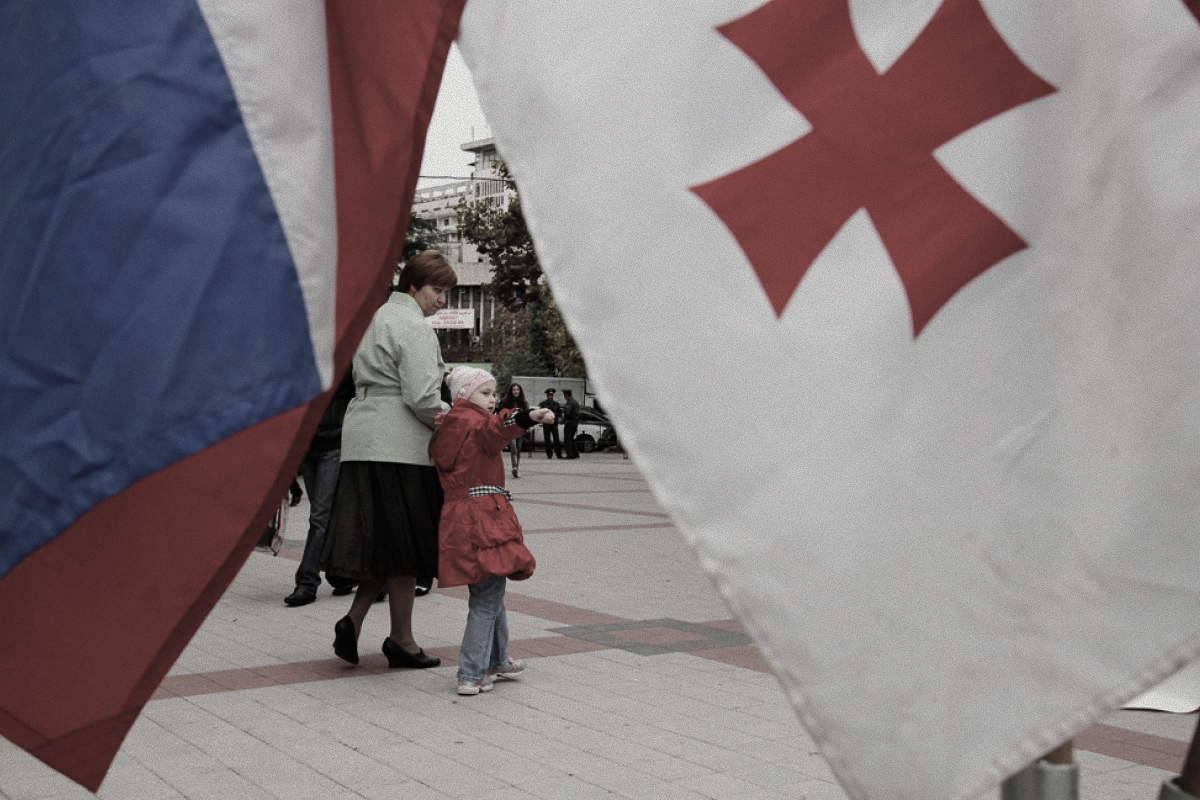
russia is trying to re-enter Georgia’s public sphere not through diplomacy, but through culture – and it is doing so methodically. This is written in the analysis by the American think tank “The Jamestown Foundation”.
Diplomatic relations between the two countries have been severed since 2008, so moscow’s interests in Tbilisi are formally represented by Switzerland’s Embassy. It is under this banner that the “section of the rf’s interests” operates, which, according to its head, d. olisov, views the promotion of the russian language as one of the main directions of its work.
The kremlin’s toolkit is standard: appeals to “shared history”, cultural tours, and language programs. On May 14, the Rustaveli Theater in Tbilisi hosted a concert by students from a russian arts university featuring a soviet repertoire – an event that immediately drew criticism due to its location in the center of the Georgian capital. A month later, on June 14–15, putin’s special representative for cultural cooperation, m. shvidkoy, visited Tbilisi for the second time within a year – officially – to attend the theater’s tour, but unofficially – to promote the idea of “restoring trust” between moscow and Georgia through culture.
In parallel, russia is attempting to establish the russian language as part of Georgia’s cultural heritage. In late May, the “interest group” brought together Georgian professors of the russian language and literature, and on June 6, it organized an event to mark pushkin’s birthday, which was attended by only about two tens of elderly people. The effect was the opposite of what was intended: Georgian activists viewed the event as a promotion of the “russian world”, while the rf’s foreign ministry spokesperson maria zakharova responded by calling the protesters “radicals”.
The kremlin is attempting to engage young people and creative circles separately – through the pushkin contest, the “ambassadors of the russian language” project, and invitations to children’s and youth competitions in russia. At the same time, these activities are expanding beyond Tbilisi: performances by russian artists are scheduled for the summer and autumn in Batumi, some of whom openly support the war against Ukraine or justify the occupation of Georgian territories.
These steps will not lead to a rapid rise in pro-russian sentiment, but moscow’s goal is different – not mass support, but to test how far Georgian society is willing to tolerate russia’s return to the public sphere under the guise of “non-political” culture. Even a small number of such initiatives can deepen polarization and provide the kremlin with convenient pretexts to speak of the “radicalization” of anti-russian forces in Georgia.