
The kremlin Will Force Businesses to Pay for Deteriorating Power Grids
8/23/2026
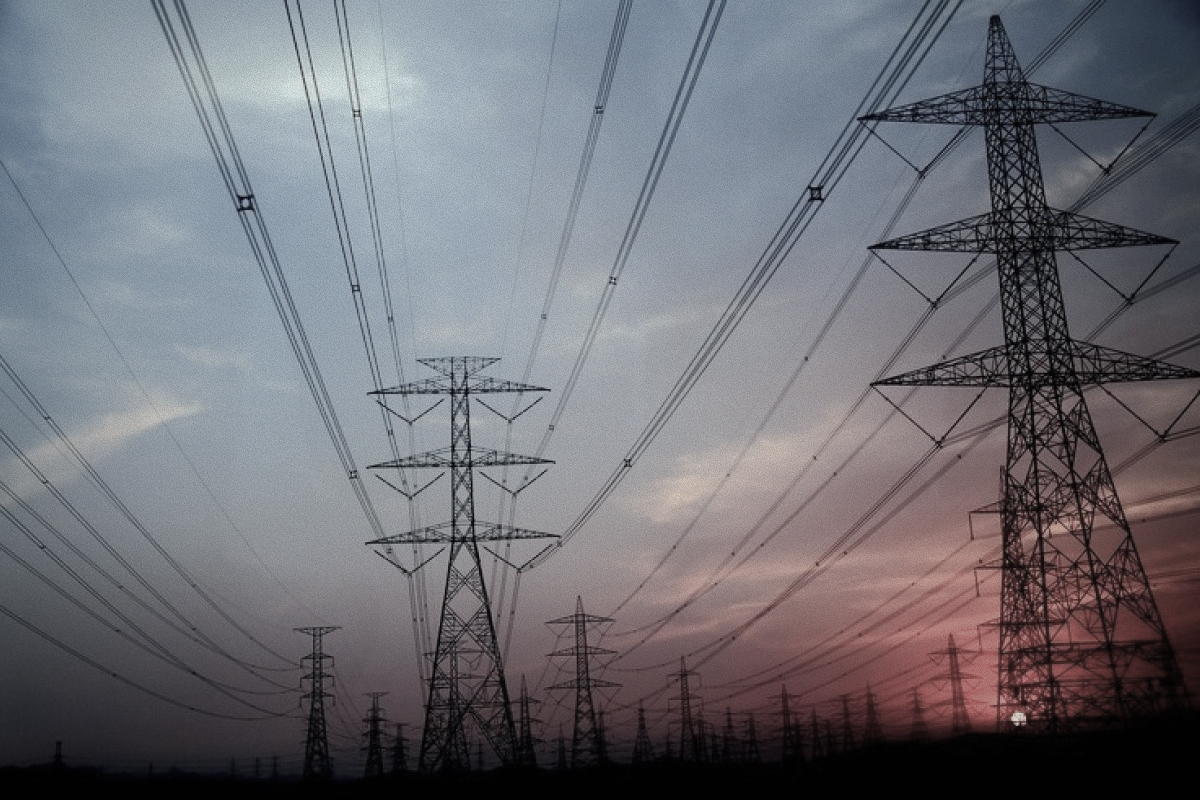
russia’s electric power sector is entering the autumn with problems that have been accumulating for years, despite official reports of system stability. The grids are aging, emergency reserves are insufficient, and key facilities are becoming more vulnerable. Instead of undertaking a large-scale modernization, the kremlin is preparing to shift the costs onto industry.
The main problem is the condition of the grids. Their deterioration is outpacing the capacity for renewal. The failure of just a few critical lines or substations would leave entire regions without power. At this, the ability to quickly compensate for such outages is dwindling. Repairs are hampered by a shortage of equipment and skilled workers.
russia needs more than just repairs. The power grid must be expanded, the transmission capacity of the networks increased, and new interregional connections built. This involves costly infrastructure modernization that has been systemically neglected for years.
There is no money in the budget for this. The war is consuming resources, so the government is looking for a way to make consumers themselves pay. Plans include a separate investment surcharge in favor of PJSC “rosseti,” an increase in network usage fees, and compensation for technical losses during electricity transmission.
This will hit large industrial consumers the hardest – that is, companies that are already operating under the pressure of sanctions, expensive loans, and rising costs.
This is how the kremlin’s policy creates a vicious cycle. The government is unwilling or unable to finance modernization due to massive military spending, so it passes the bill on to industry. But more expensive electricity increases production costs and reduces companies’ ability to make their own investments.
Ultimately, the problem of outdated power grids becomes a problem for the rf’s entire economy.