
The kremlin’s Inability Is Forcing russian Businesses to Develop Their Own Drone Defense Systems
8/21/2026
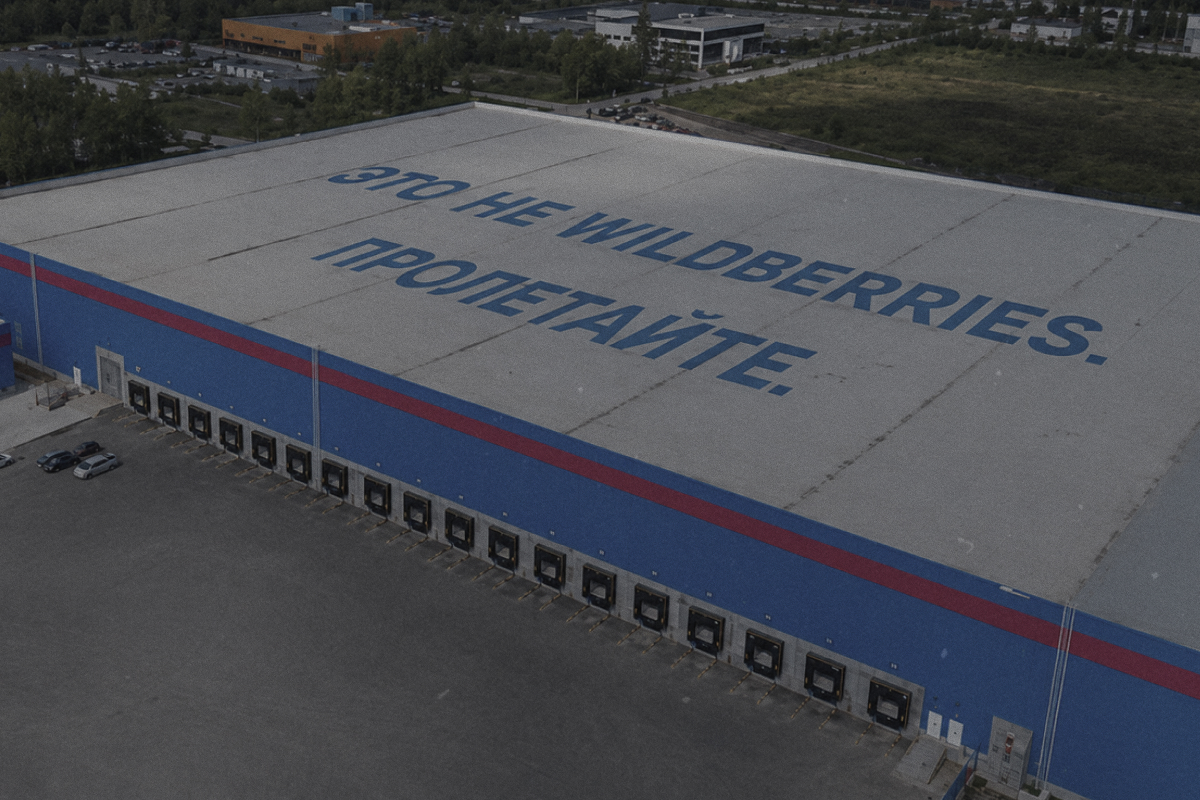
The kremlin’s inability to provide centralized protection for industrial and infrastructure facilities against drones is effectively forcing it to shift responsibility for their security onto the enterprises themselves. In the first half of 2026, russia’s commercial sector increased its purchases of counter-UAV equipment 6.6-fold compared to the same period last year, reaching $5.32 million (441.3 million russian rubles).
Companies are expanding their range of equipment. The highest demand is for stationary and portable drone detectors and direction-finding devices, warning systems, as well as equipment for jamming control channels, data transmission, and satellite navigation. In parallel, metal frames, protective nets, and canopies are being installed on buildings; while these are cheaper than electronic systems, their effectiveness is limited by building and fire safety codes.
Large enterprises are forming mobile response teams equipped with drone detection and suppression capabilities – the cost of establishing a single such team ranges from $600,000 to $850,000 (50–70 million russian rubles).
The most active adopters of these technologies are fuel and energy companies, industrial enterprises, warehouse and logistics operators, marketplaces, and shipping companies. However, the increase in purchases does not mean that businesses are transitioning to comprehensive protection: most limit themselves to individual detection or jamming devices, whereas a multi-layered system requires significant investment in personnel, equipment, and infrastructure.
The result is complete improvisation, with no uniform standards for data exchange or technical compatibility between detection and jamming devices, let alone centralized management. Each enterprise fends for itself as best it can, and this ad-hoc approach backfires on the russians themselves: false alarms, mutual radio interference between neighboring facilities, and the purchase of expensive equipment that does not match the actual threat parameters. The more money businesses invest in their own protection, the more evident it becomes that the kremlin simply does not have a centralized defense system.