
The kremlin’s Initiatives to Attract New Migrant Workers Are Failing
10/9/2026
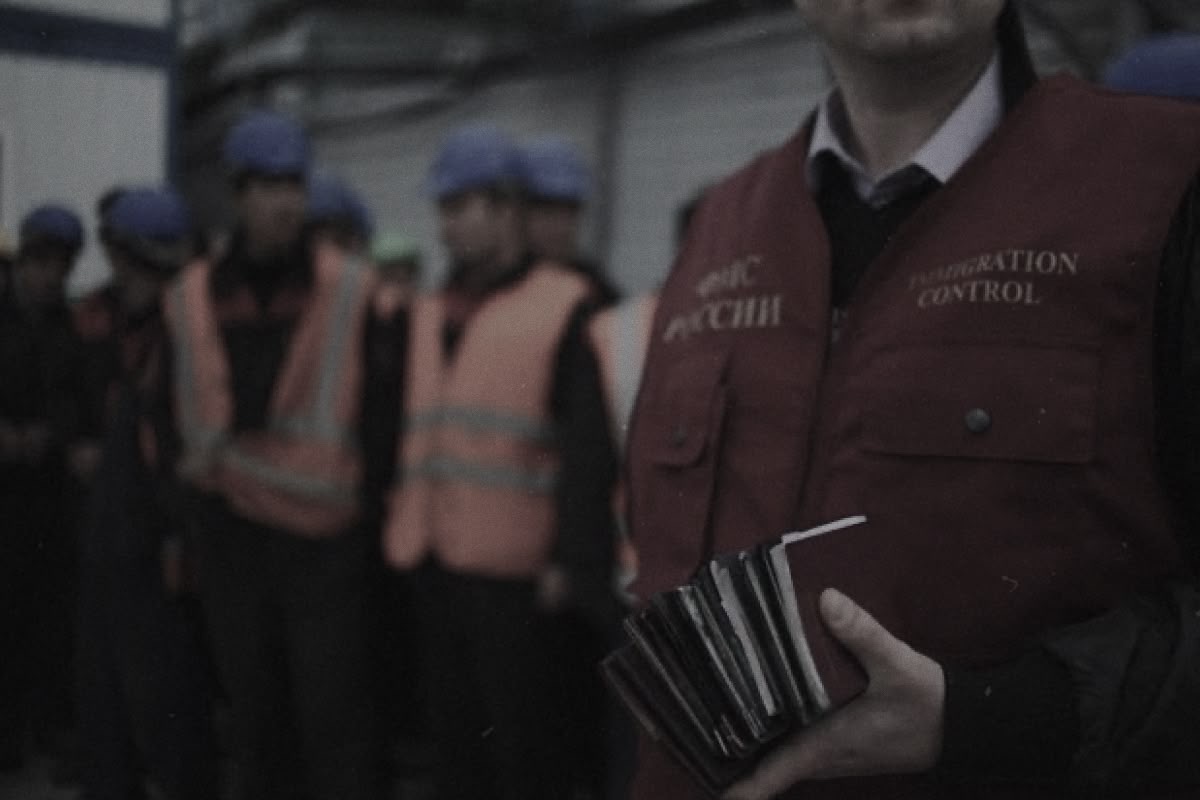
Yet another kremlin scheme has failed. This refers to the attempt to save russia’s economy from a labor shortage by relying on migrant workers. Standing in the way of potential employers from the rf and guest workers from Afghanistan are the obvious and expected cultural differences between the two peoples, as well as the Afghan workers’ unwillingness to understand and learn the russian language.
Difficulties with integrating Afghans into russian society, security risks due to instability in Afghanistan itself – where extremist groups remain active – and the language barrier – all these intertwined problems have derailed negotiations to bring workers from Afghanistan to russia. Nor did the prior removal of the “Taliban” from the rf’s list of terrorist organizations help the recruiters. According to the russian president’s special representative for Afghanistan zamir kabulov, the negotiations have reached an impasse, and the parties have not even begun a detailed review of this geopolitical kremlin initiative.
On the other hand, russian employers are being squeezed by the kremlin’s initiative to bring in labor from India. The state duma of the rf was supposed to rush through the ratification of an intergovernmental agreement from December 2025 on the temporary employment of citizens of one country in the territory of another.
Following the mass exodus of guest workers from Central Asia, this is currently the only way for the ministry of labor to fill staffing gaps in the construction, metallurgy, and agribusiness sectors. To date, the rf has already issued approximately 50,000 work permits to citizens of India.
At the same time, russian businesses are required to provide Indian workers with living conditions no worse than those enjoyed by local residents. This means employers must provide them with specialized housing and transportation, as well as cover the entire cost of the legalization process. As a result, what was potentially a cheap labor force has turned into a full-fledged burden for russian businesses.
Such “skill” on the part of kremlin officials in negotiating agreements further increases the fiscal and financial burden on potential russian employers. The latter already have significant wage arrears: as of the end of August, they had reached 2.42 billion rubles. In August of this year alone, the arrears increased by 18.9%, and over the past year – by 47.4%. The largest arrears are in the construction sector – 37.8% – and the manufacturing sector – 27.8%; it is no coincidence that these sectors of the economy are attempting to “improve” their situation at the expense of migrant workers.
Thus, the kremlin’s attempt to compensate for the labor shortage through new waves of migrants is hampered not only by cultural and security barriers but also by the russian economy’s sheer inability to provide adequate conditions for attracting them.