
The ministry of finance of the rf Failed to Hold OFZ Auctions Three Times and Ran Out of Money
7/23/2026
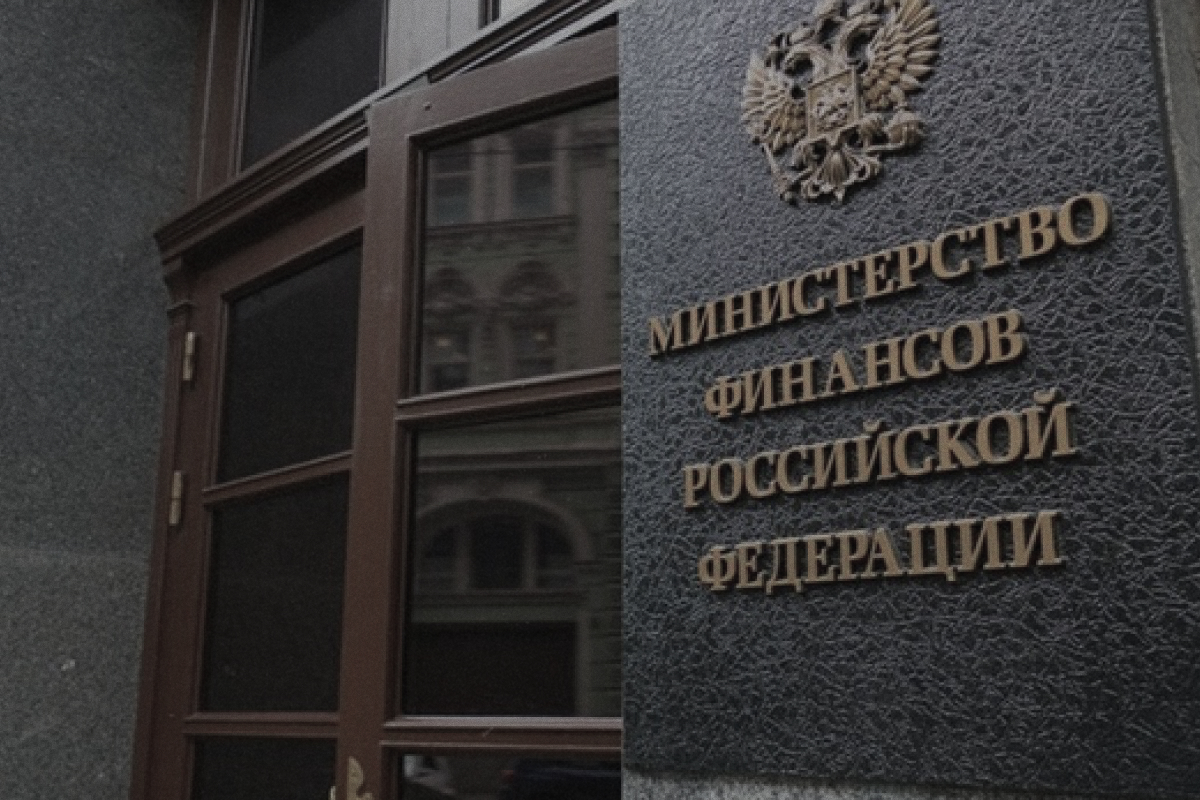
In July, the ministry of finance of the rf refused three times to place federal loan bonds (OFZs) because investors were only willing to buy the securities at a premium which the ministry considers unacceptable. This is a sign that demand for russian government debt is declining faster than the kremlin’s budgetary needs are growing.
OFZs are the main instrument the russian government uses to cover its budget deficit and refinance old debts, and these securities are purchased primarily by russian banks, investment companies, and pension funds. On June 24 and July 8, the ministry of finance canceled auctions due to market volatility: investors were demanding yields that would have significantly increased the cost of servicing the debt. On July 14, the ministry tried a different approach and offered only floating-rate bonds, which reduce the risk of losses for the buyer. But as early as July 15, the ministry of finance again rejected all bids, even for these securities: the problem turned out to be not the bond format, but the fact that investors were simply unwilling to lend to the government without a substantial risk premium.
Avoiding unfavorable placements is slowing down the decline in the value of existing OFZs, but it does not resolve the main problem: the need for financing is merely being shifted to future months, when the government will have to borrow even more and at higher costs. The domestic borrowing plan for the third quarter of 2026 calls for approximately $19.4 billion, and following the failure of the July 15 auction, it seems unlikely that this plan can be fulfilled without a significant increase in yields.
The most likely scenario for the kremlin is to combine more expensive borrowing with administrative pressure on state-owned banks to purchase bonds they do not need. This will allow the kremlin to avoid a high-profile default, but it will tie the banks even more tightly to the state, reduce lending to businesses, and effectively shift the budget deficit onto the entire economy, deepening the stagnation which the kremlin passes off as stability.