
The ministry of internal affairs of the rf Is Forming a New Power and Corruption Vertical Under the Guise of Migration Control
12/22/2025
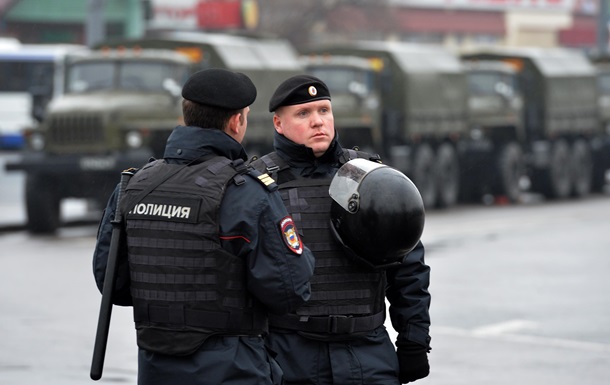
The ministry of internal affairs of the rf is preparing an expansion of powers of the newly created service for citizenship and registration of foreign citizens, having granted it the right to conduct operational and investigative measures – from external surveillance to collecting biometric samples. Formally, the initiative is explained by the need to strengthen the fight against migration crimes and build an autonomous management structure within the ministry of internal affairs. In reality, however, it is a redistribution of influence: functions that were previously the responsibility of the criminal investigation and other law enforcement agencies are being concentrated in a single agency, creating the risk of excessive centralization of operational tools.
The context for this step is the growth of labor migration. The number of foreigners working in russia under patents has increased by 32 % to 1.9 million people, and the number of work permits issued increased by 52 % on an annual basis, i.e., to 103,000. At the same time, these figures contrast with the decline in interest in russian citizenship: in January–September 2025, 110,800 people received russian passports, which is by 30.1 % fewer than last year. The war against Ukraine and stricter requirements for new citizens are increasingly repelling foreigners.
The expansion of the service’s powers is taking place against the background of a systemic crisis within the ministry of internal affairs itself. The personnel shortage has almost doubled since 2022 and exceeded 172,000 vacancies. Especially acute the need for personnel is among district and operational units. Under these circumstances, the transfer of new law enforcement functions to a civil-administrative body appears to be an attempt to compensate for institutional weakness rather than to increase the effectiveness of control.
Reputational scandals create additional risks. According to media reports, the service is headed by first deputy minister of internal affairs of the rf Andrey Kikot, who is linked to corruption schemes involving the use of migrant labor in the construction sector. The expansion of operational powers in this configuration looks less like a control tool and more like a redistribution of spheres of influence within the ministry of internal affairs, with the formation of a separate power and corruption vertical that legalizes additional administrative pressure on migrants in a system that is already chronically ineffective.