
The Netherlands’ Defense White Paper: Drones, the Data Cloud, and Military Expansion
7/10/2026
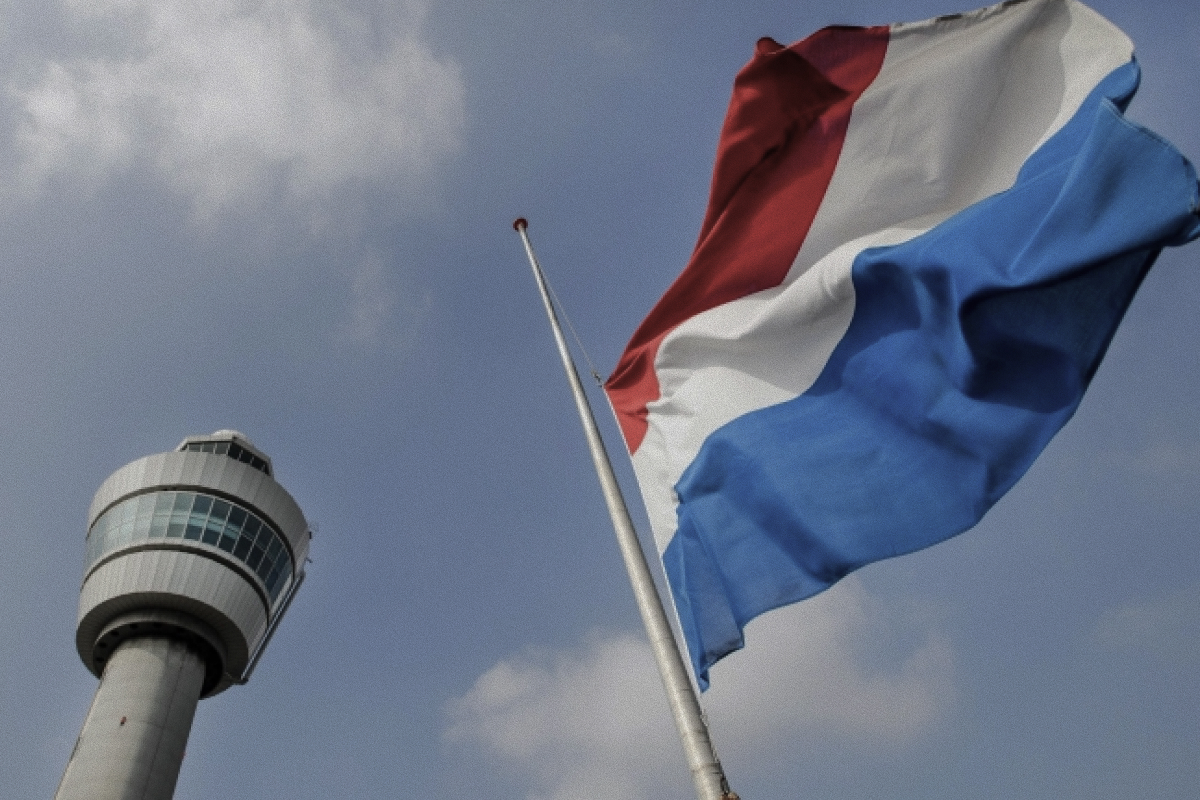
The Ministry of Defense of the Netherlands has published the “Defense White Paper 2026 –Together Forward!”, which sets a course for the accelerated transformation of the Armed Forces and the enhancement of their combat capabilities.
The document identifies the long-term threat from the rf, the growing influence of China, instability in the Middle East, and the use of hybrid tools against the Netherlands as key factors in the security environment.
Given the deteriorating situation in Europe, the Ministry of Defense proposes moving away from a gradual build-up of capabilities in favor of a rapid restructuring of the Army. The goal is to increase readiness for protracted crises, strengthen the contribution to NATO’s collective defense, and reduce Europe’s dependence on external security guarantees. This policy is also linked to plans to increase defense spending to 3.5% of GDP.
Key pillars of reform include:
the large-scale deployment of unmanned systems, with autonomous and robotic platforms expected to carry out more than half of operational tasks by 2031;
data integration and digitization of management through a unified cloud storage system that will consolidate information from satellites, radars, and drones in near real time;
a “scalable force” model, which calls for increasing the size of the Armed Forces to 100,000 personnel by 2030, up from the current approximately 35,000;
innovative development, with up to 10% of the defense budget being allocated to research and development, creation of the Defense Innovation Directorate (DIOA), and long-term contracts spanning 10–15 years to stabilize weapons production.
The document outlines a transition to a model in which defense capability is determined not only by the size of the Army or funding, but by the ability to rapidly integrate intelligence data, automated command and control, mobilization resources, and industrial production. The Army is viewed as the core of a broader defense ecosystem that involves industry, science, and civilian reserves.