
The Netherlands Is Building a Unified System to Protect Against russian Espionage
9/1/2026
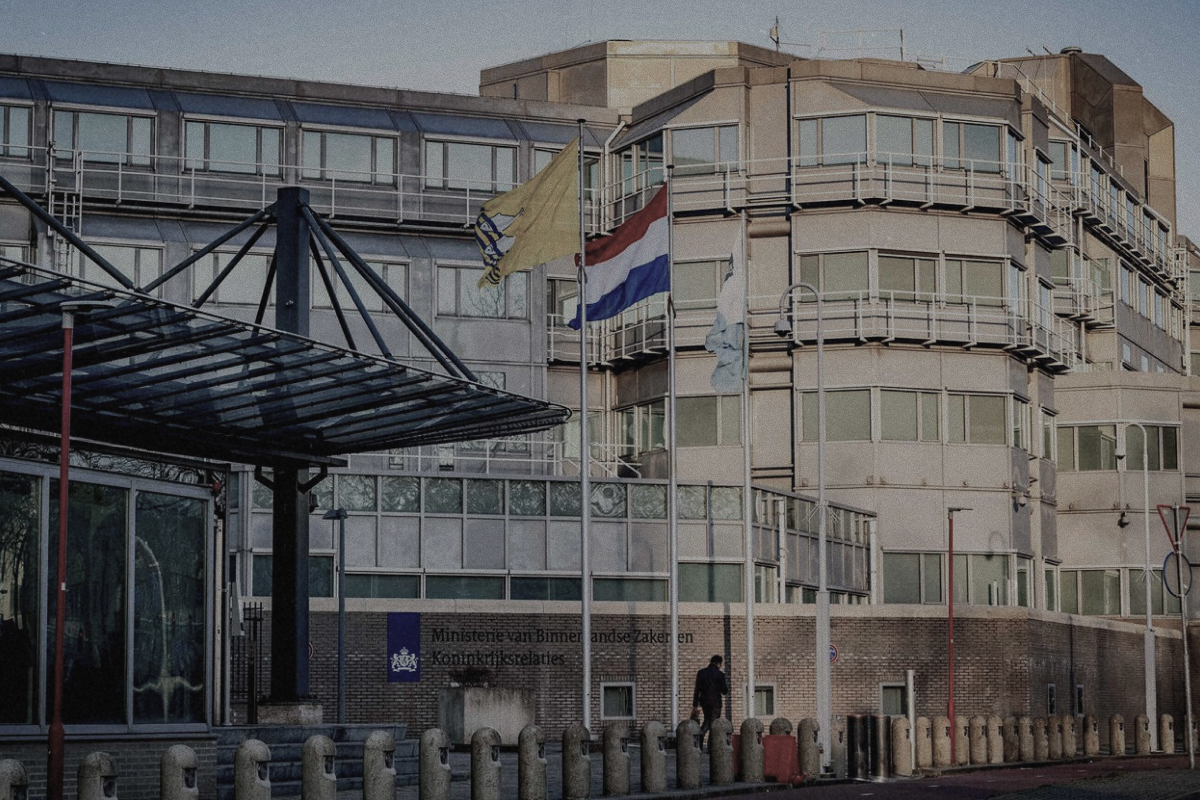
The government of the Netherlands has submitted for public consultation a draft of a new law on the protection of national security by intelligence and security services. The aim of the reform is to enhance the ability of the General Intelligence and Security Service (AIVD) and the Military Intelligence and Security Service (MIVD) to promptly detect and neutralize political, cyber, military, and terrorist threats. The Hague names as the main risks russia’s intelligence and sabotage activities, China’s operations to steal technology and information, as well as terrorist activities linked to Iran and Islamist groups. Public consultations will continue until October 11, after which the draft law is set to replace the 2017 Intelligence and Security Services Act. The government cites the excessive administrative burden of the current system and the shift by moscow and Beijing toward the comprehensive use of intelligence, cyber, economic, and hybrid tools as reasons for the reform.
The document provides for five key innovations. First – a shift from approving individual operations to conducting comprehensive investigations into specific threats: the AIVD and MIVD will be able to more quickly deploy special measures against identified foreign intelligence services. Second – reform of the independent oversight system through the creation of an Audit and Oversight Council, which will consolidate the preliminary review of permits, oversight of the legality of operations, and the handling of complaints; the final decision in case of disputes will remain with the courts. Third – new data processing rules establishing separate regimes for personal data, special categories of data, and large datasets, while separately regulating the use of artificial intelligence and automated analysis. Fourth – expanded cooperation with banks, universities, technology companies, and online platforms, which will be subject to additional obligations regarding the provision of information. Fifth – strengthening of intelligence support for the military: the MIVD will be able to transmit raw data directly to the armed forces immediately upon receipt.
In fact, the Netherlands is building a permanent counterintelligence system in which government agencies, the military, and the private sector will operate as a unified threat detection network. This is intended to enhance the protection of ports, energy facilities in the North Sea, defense industry enterprises, and supply routes for aid to Ukraine against espionage, cyberattacks, and sabotage by the kremlin.