
The state duma Has Acknowledged the Risk of a Budget Shortfall but Approves the government’s Financial Wishes and Dreams
11/7/2026
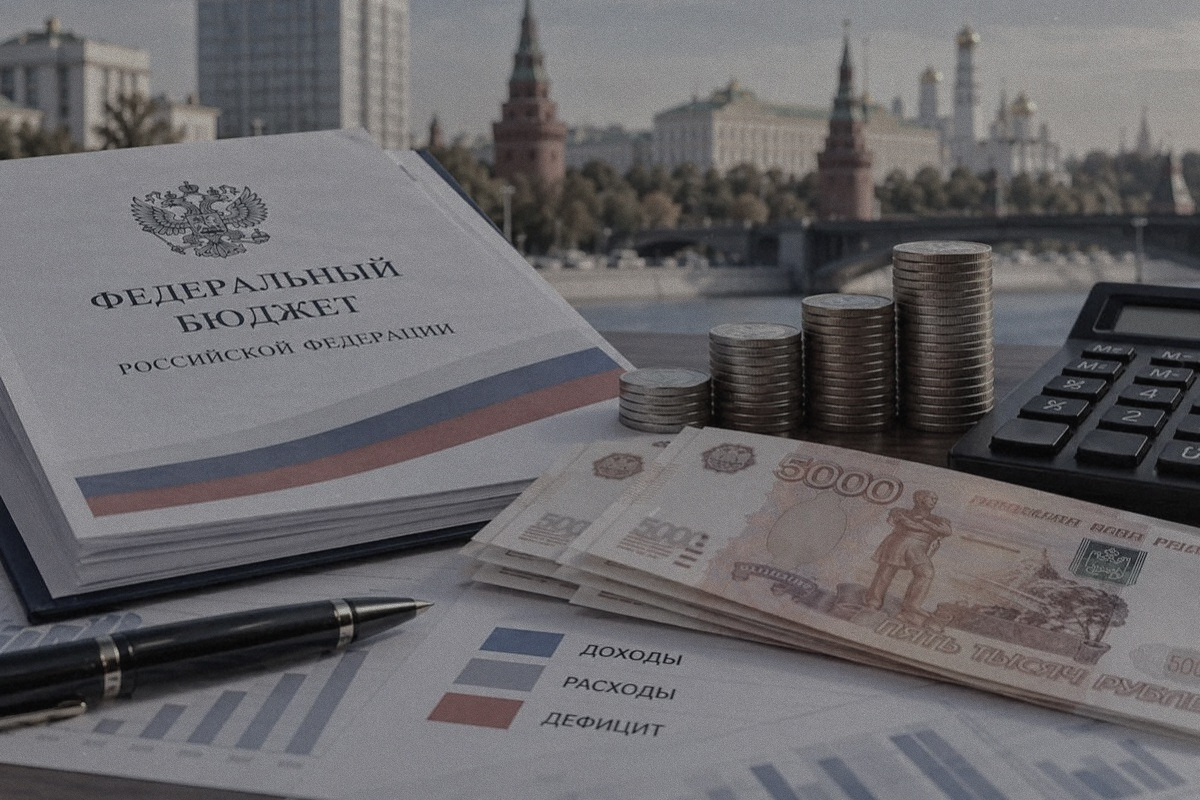
The rf state duma committee on budget and taxes has acknowledged the risk of shortfalls in federal budget revenues in 2027–2029. Despite this, MPs gave the draft a formally positive assessment, effectively endorsing the government’s financial plans, which are already raising doubts.
moscow expects to receive $537.5 billion in 2027, $569 billion in 2028, and $603.6 billion in 2029. At this, the annual deficit is projected to be $63.6–67.6 billion (1.9–2.2% of GDP).
Lawmakers themselves point to problems that could derail these projections. Due to the economic slowdown, expensive loans, and deteriorating financial performance of companies, the budget may fall short on corporate income tax revenue.
Plans regarding oil and gas revenues are no less questionable. The government is projecting a decline in the export price of russian oil from $61.2 per barrel in 2026 to $51 in 2029, but at the same time expects revenues from the sector to rise from $87 billion in 2027 to $95.9 billion in 2029. The committee acknowledges that volatility in energy markets could derail these projections. The share of oil and gas revenues in the budget will decline from 16.2% to 15.9%.
The government does not take into account the cost of its own borrowing either. Public debt service costs will rise from $56.7 billion in 2027 to $70.5 billion in 2029. At this, the government plans to spend more than $212 billion on defense in 2027.
Economic indicators already contradict moscow’s optimistic budget projections. In the first half of 2026, russia’s GDP grew by only 0.6%. The liquid portion of the national wealth fund has shrunk to 1.7% of GDP, while russian banks are overburdened with loans to defense contractors. According to estimates, without tax increases or cuts to social spending, reserves may run out as early as the beginning of 2028.
The kremlin continues to plan multibillion-ruble defense spending, shifting the financial burden of the war onto businesses and the population. Lawmakers, who formally approve these plans, simultaneously acknowledge the risk of a shortfall in budget revenues. moscow will try to make up for the shortfall through new taxes and borrowing.