
The War and Falling Revenues Are Forcing the kremlin to Sell off Its Gold Reserves
10/28/2026
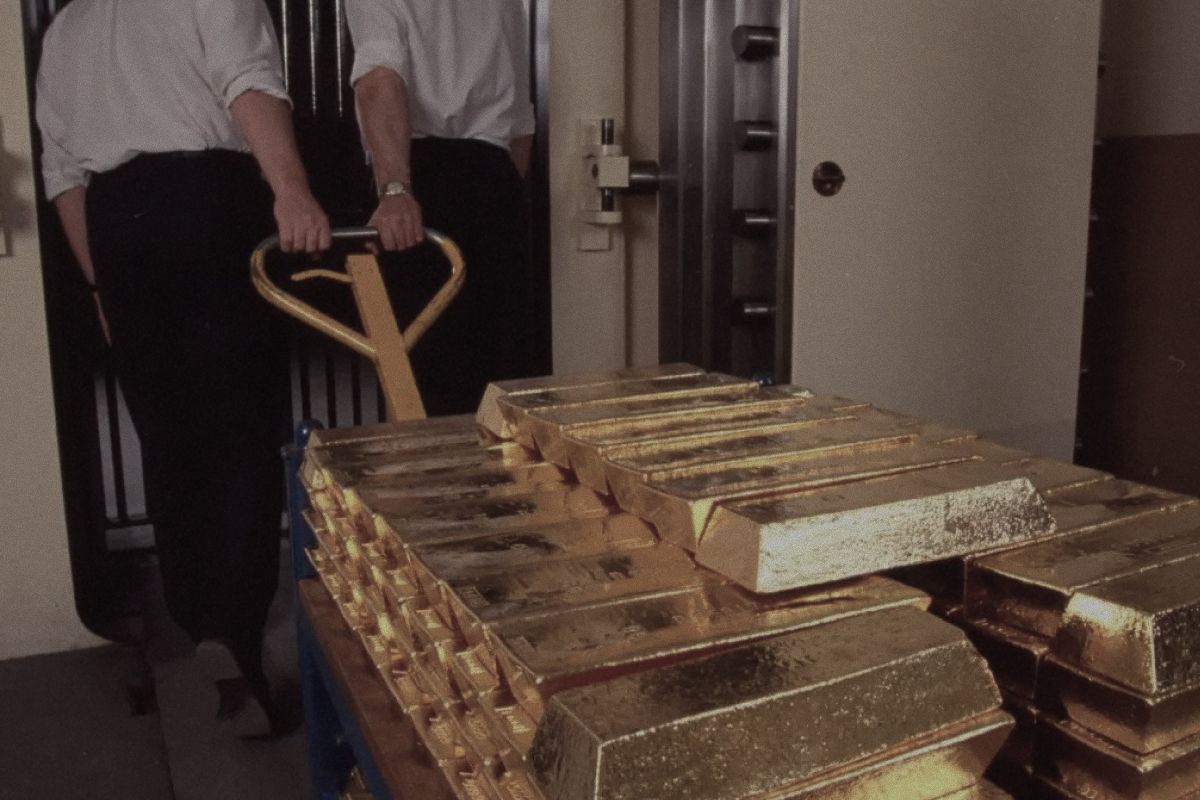
russia is using its gold reserves to cover a budget deficit that is growing due to declining oil and gas revenues and rising government spending. In September 2026, the central bank of the rf reduced its physical holdings of monetary gold for the tenth consecutive month. Within a month, reserves fell by 6.2 tons, to 2,260 tons – the lowest level since late 2019. Since December 2025, the reduction has totaled approximately 62 tons, or 2.7%.
As of October 9, the rf’s international reserves were estimated at $723.5 billion – by $45.5 billion, or 5.9%, less than at the beginning of September. The dollar value of monetary gold fell from $333.5 billion to $301.6 billion in September–October. This is due not only to a reduction in physical reserves but also to changes in market prices and asset revaluations.
The government of the rf is forced to draw on its reserves due to a growing budget deficit. Oil and gas revenues are declining, while government spending – particularly on the war against Ukraine – remains high. To cover the shortfall, the ministry of finance is selling foreign currency and gold assets from the national wealth fund to the central bank of the rf in exchange for rubles. The central bank is conducting corresponding operations on the domestic market using yuan and gold.
moscow’s options are limited by sanctions. A significant portion of the central bank of the rf’s foreign assets has been frozen since 2022, so domestic gold and yuan-denominated assets remain more readily available for day-to-day operations. Consequently, the total volume of international reserves does not reflect the amount of funds that the russian government can freely dispose of.
Selling off reserves allows the government to temporarily sustain budget expenditures without immediately increasing borrowing or cutting spending. However, reserves are no substitute for regular revenue. If the deficit persists and reserves are not replenished, russia will have to borrow more, raise taxes, or cut budget programs.
The decline in gold reserves indicates that the rf’s financial constraints are tightening. The war is draining state resources, while falling revenues are forcing the kremlin to draw down its reserves. The fewer reserves that remain, the more difficult it will be to finance current needs without increasing debt and the tax burden or cutting spending.