
The War Is Becoming Increasingly Expensive: the rf Is Ramping Up Government Borrowing Amid a Budget Deficit
9/9/2026
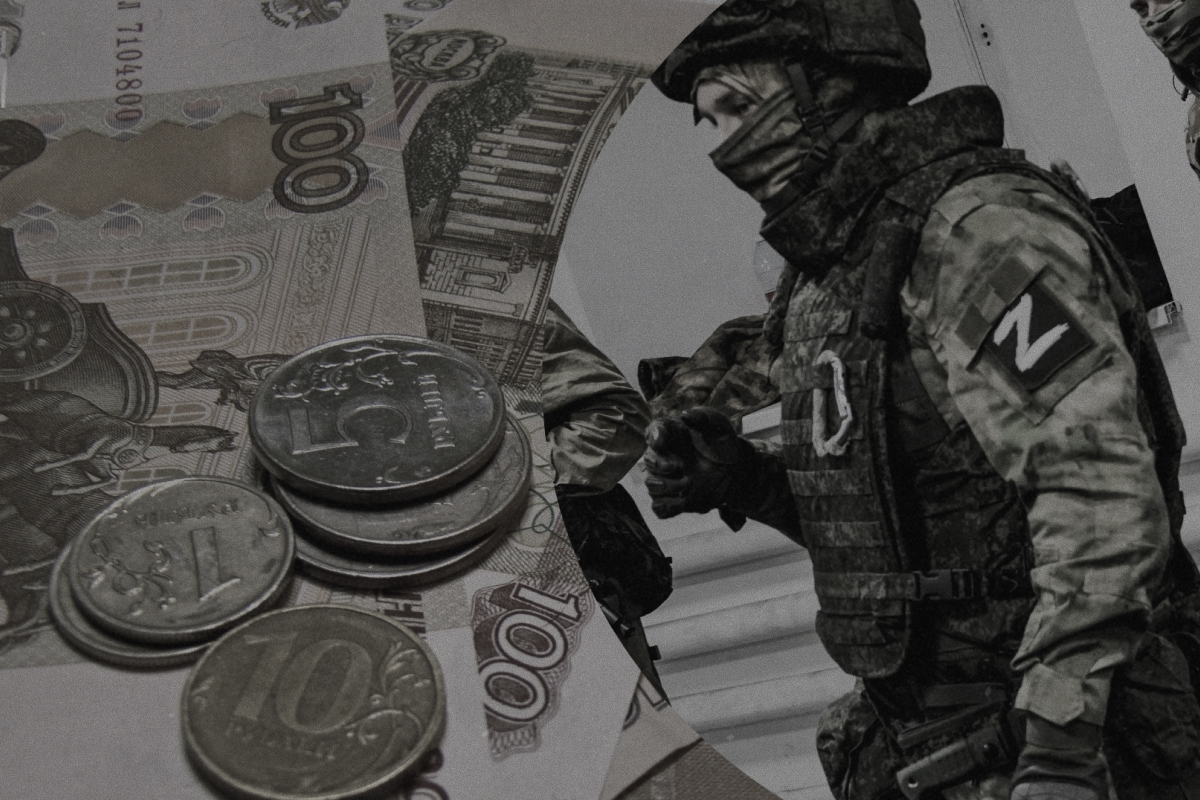
The ministry of finance of the rf is increasing the volume of domestic borrowing amid a rapid rise in military spending and a growing federal budget deficit.
In the first half of 2026, russia’s military spending rose by 30% year-on-year. At the same time, the federal budget deficit for January–July increased by 40% compared to the same period the previous year. Against this background, on September 2, the ministry of finance of the rf resumed large-scale placements of federal loan bonds (FLBs), which had effectively been suspended since mid-July. During the auction, government bonds with a face value of $11.55 billion were issued. As a result, the federal budget raised $10.84 billion.
At the same time, the central bank of the rf expanded its support for the russian banking system. The regulator provided banks with $10.84 billion secured by securities – an amount comparable to the funds received by the ministry of finance of the rf from the FLBs placement. This situation indicates the financing of the budget deficit relying on the ability of the central bank of the rf to maintain liquidity in the banking system and ensure demand for government debt securities.
By the end of the year, the ministry of finance of the rf will likely need to raise an additional $23.1–34.6 billion to cover part of the additional budget expenditures. The russian central bank’s prolonged use of mechanisms for indirect support of budget borrowing will increase inflationary risks and limit the scope for further cuts in the discount rate.
At the same time, a further increase in the issuance of FLBs will lead to an increase in russia’s public debt and the costs of servicing it. Thus, part of the current budgetary burden will effectively be shifted to future periods. In the short term, this will intensify competition for budgetary resources and limit the russian government’s ability to finance civilian programs.