
The World Is Closing Down Spy “russian houses” en Masse
9/8/2026
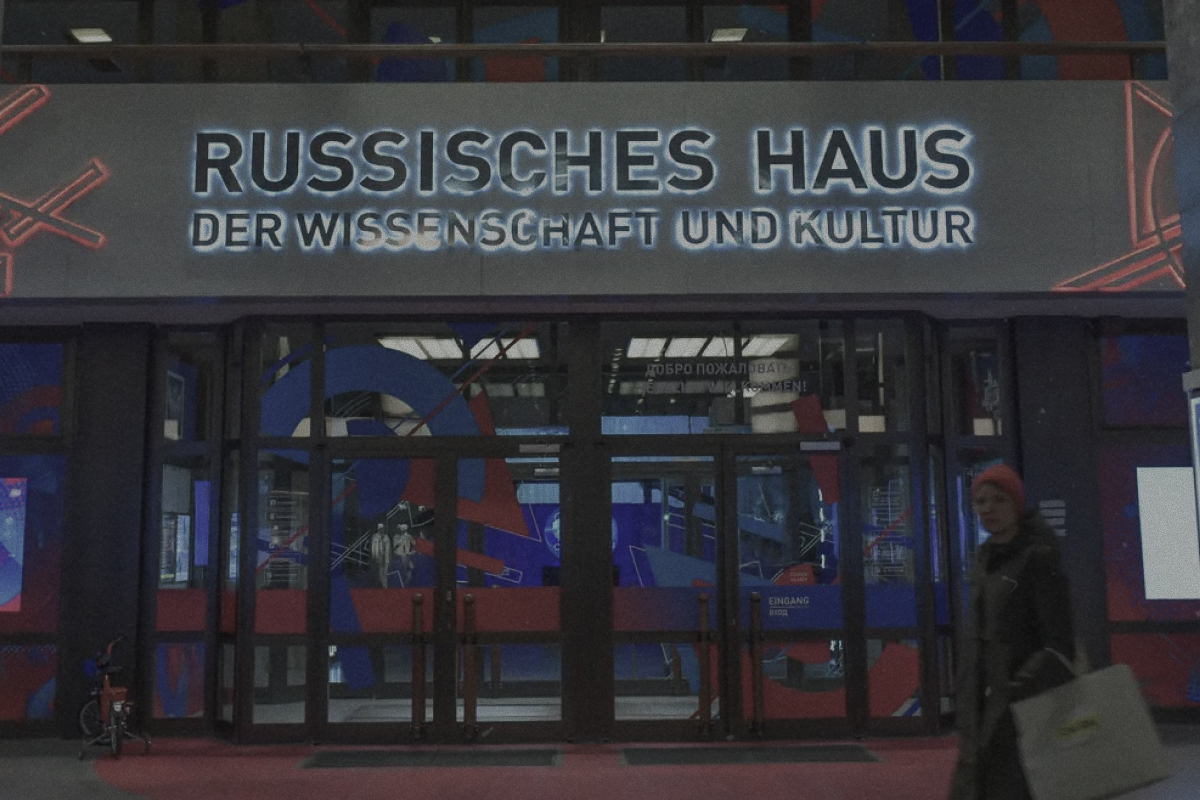
Following the start of the full-scale invasion of Ukraine, russian culture and diplomacy have finally dropped their masks. The “rossotrudnichestvo” agency and its overseas branches, known as “russian houses”, which for years masqueraded as cultural centers, have in fact turned out to be nothing more than centers of espionage and propaganda. Following the events of 2022, unable to tolerate the toxic presence of the aggressor nation, the democratic world began a systemic cleansing: since the start of the full-scale war, at least 13 such “cultural and educational” hubs of russian secret services have been shut down, and russia itself has faced an unprecedented level of contempt and diplomatic isolation.
The latest resounding slap in the face for the kremlin was the FRG government’s decision to close the “russian house” in Berlin. This destructive nest was the largest abroad and cost russian taxpayers about $10 million a year, serving as a key instrument of hybrid warfare and political interference. Berlin’s patience had been wearing thin for a long time, but the final straw was the investigation into the attack on Leipzig-Halle Airport, where a drone carrying explosives was discovered near a Ukrainian transport plane. After such provocations, Germany simply showed the russian uniformed “cultural figures” the door.
However, it was an Eastern European country that was the first to demonstrate principled stands and complete contempt for the aggressor. Back in April 2022, Slovenia became the first EU member state to expel the “russian house” in Ljubljana. Others followed suit: Romania categorically expelled kremlin propagandists for distorting historical truth and reality, while Moldova stated outright that subversive activities against its sovereignty were being carried out under the guise of “culture”. In Poland, Denmark, and a number of Balkan countries, the activities of these centers fell apart on their own – due to the mass expulsion of russian “diplomats” and the refusal to issue them new visas.
Even those countries on whose support moscow had counted are no longer willing to tolerate the aggressor nation’s audacity. The case of Azerbaijan was particularly telling: in Baku, the “russian house” was shown the door following a crisis in relations, with officials emphasizing that the country does not need “help” from opaque organizations with a clearly intelligence-collecting nature. And while moscow still tried to retaliate against Western countries by expelling diplomats in kind, the ministry of foreign affairs of the rf merely apologized abjectly to Baku and assured of its readiness to “do everything to rectify the situation”.