
Torture as a Tool of Power: New Report Documents the Systemic Nature of Repression in belarus
7/4/2026
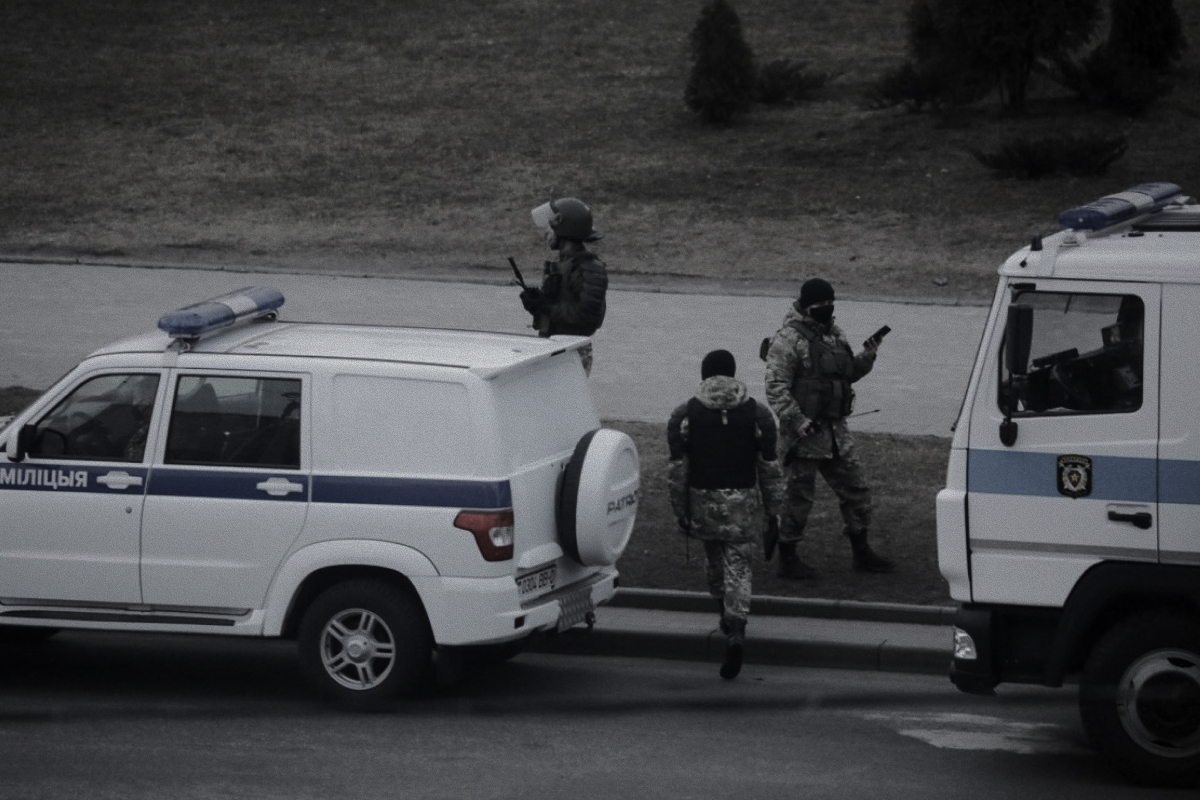
In its 2026 Global Index, the World Organization Against Torture (WOAT) has issued a grim diagnosis for belarus: torture and ill-treatment remain widespread, systematic, and state-sanctioned there. The country has been classified as a “very high risk” zone for torture.
The authors of the report point out that the human rights crisis triggered by the 2020 presidential election has not only failed to subside but has evolved into an entrenched system of repression. The report states that in the spring of 2026 authorities released a number of imprisoned human rights defenders, yet many of them remain in custody; simultaneously, lukashenko declared that he would react to any future resumption of protest “most harshly, without looking at any laws” – an explicit endorsement of extrajudicial violence.
According to the document, political prisoners, women, and individuals persecuted under the vague counter-extremism laws are systematically subjected to torture in belarus. This includes electric shocks, stress positions and sexual humiliation, particularly during the initial hours of detention.
The WOAT specifically draws attention to structural problems: torture in belarus is still not criminalized as a standalone offence, no national preventive mechanism exists, independent civil society monitoring of detention is prohibited, and the United Nations Group of Independent Experts has concluded that violations since 2020 constitute a widespread and systematic pattern amounting to crimes against humanity.
Based on the assessment, belarus has been classified as a “very high-risk” country on six of the seven index indicators and as “high-risk” on the seventh.