
Twice As Many Companies Are Closing in russia As Are Opening
7/29/2026
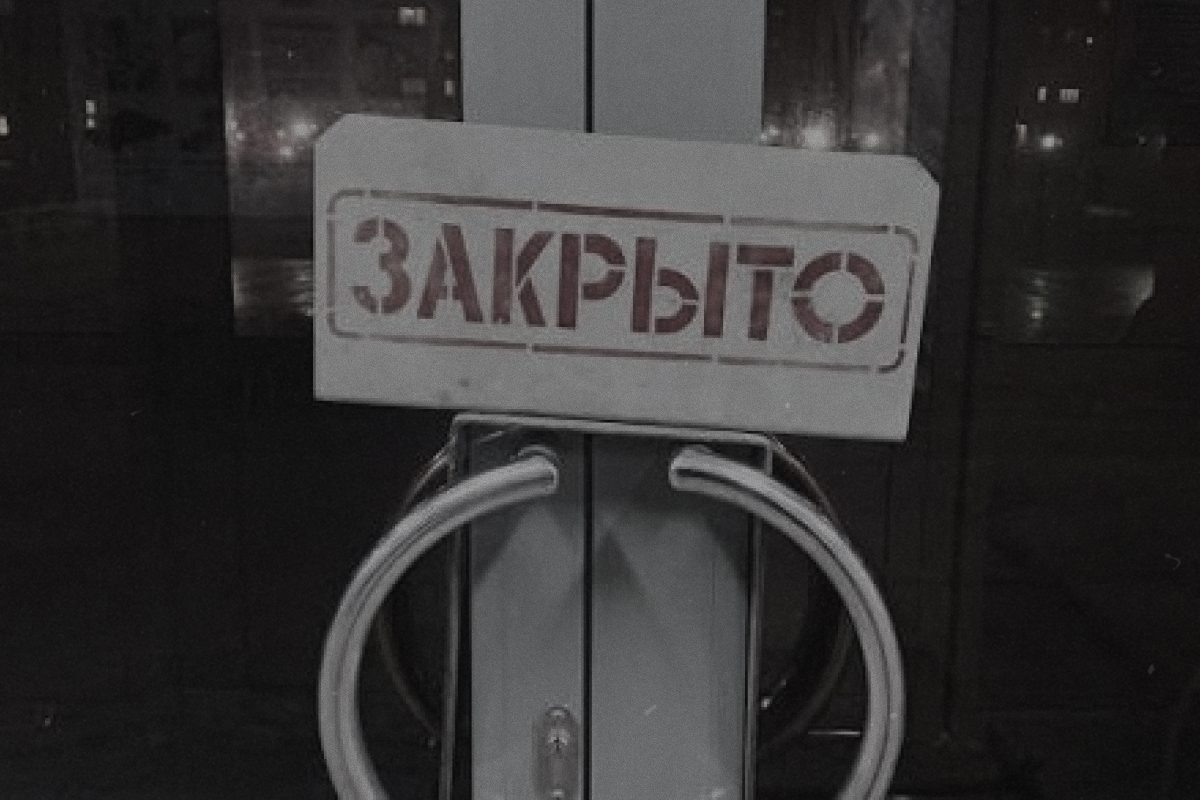
According to the results of the first half of 2026, conditions for small and medium-sized enterprises (SMEs) in the rf continue to deteriorate. In January–June, only 66,700 new commercial entities were registered – by 23.6% fewer than last year, marking the lowest figure since 2010. In contrast, 118,700 businesses ceased operations, nearly twice as many as were established.
Businesses’ ability to service their debts is also deteriorating. By early summer, approximately 100,000 of the 600,000 SMEs that had taken out bank loans were in arrears, while the total amount of overdue debt exceeded $8 billion.
There are several reasons for this. Loans remain expensive: in May, the average interest rate on short-term loans for SMEs reached 18.2%, and for long-term loans – 14%, while access to low-cost government financing is limited. The tax burden is an additional strain: the income threshold exempting taxpayers under the simplified system from VAT was lowered from $769,000 to $256,000, causing some businesses to face the obligation to collect this tax and bear the costs of accounting and reporting for the first time. Combined with the decline in consumer and investment demand due to sanctions and uncertainty, this is hitting companies with low profitability and high reliance on debt the hardest.
The sector’s future trajectory will depend on how the kremlin resolves the conflict between fiscal constraints and the need to maintain entrepreneurial activity. Expanding the base of VAT payers will provide the budget with additional revenue, but at the same time will push businesses toward splitting up companies and shifting to simplified and shadow schemes.